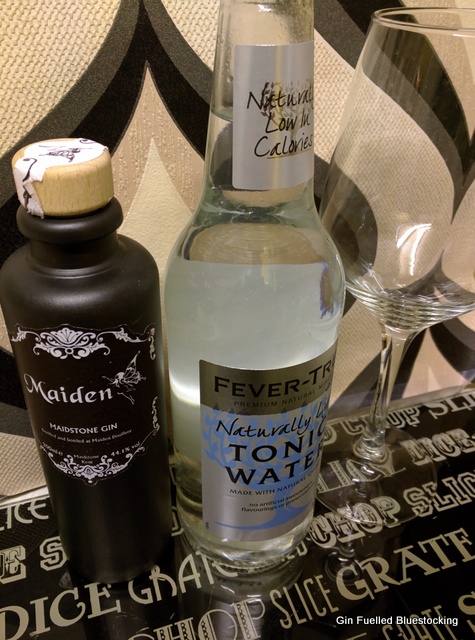
I’m always intrigued about the links there are between gin and brewing.
There’s the obvious one – that when distilling spirits you start of with what is essentially a form of beer. And then there’s the link between people. Beer people are good people. And gin people are good people.
But the most interesting to me is that there are a lot of brewers who switch to gin and vice versa. It’s how Batch began – the two gents who started the company started brewing together before switching to gin. Tony MacKenzie of Red Willow is very fond of a good gin – his palate is beautifully refined, so ideal for both.
I think it comes down to the flexibility between the two. Once you have a clean spirit and juniper, you have gin. Where you go from there is up to you. Beer is the same. Once you have your basics, you can play with flavours, additives, and even ageing and dry hopping afterwards to add layers.
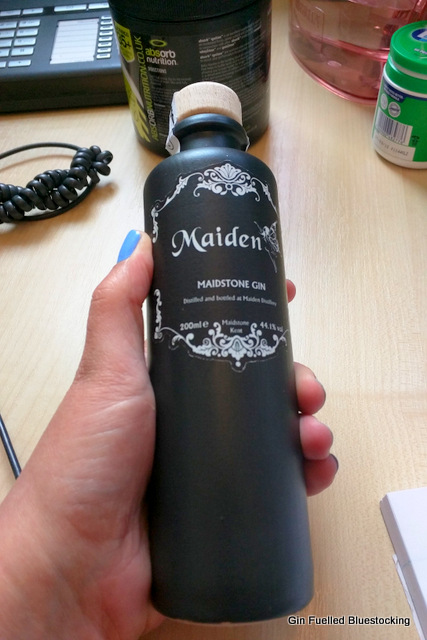
Which in a very (very) roundabout way brings me to Maiden Gin. In their case, their gin is crafted in an old brewery – Medway Brewery which dates back to the 19th century and even comes with it’s own in house fairy-like spirit. And small wonder, mid gin craze Maidstone appears to have been a little bit of a distillery hotspot, with no less than four distilleries in the vicinity of the current site.
In fact wander around Maiden’s site and you’ll find a whole heap of fascinating information about the history of distilling and brewing in Maidstone – and unsurprisingly, a link to talks on the subjects.
I feel a visit to Maidstone coming on.
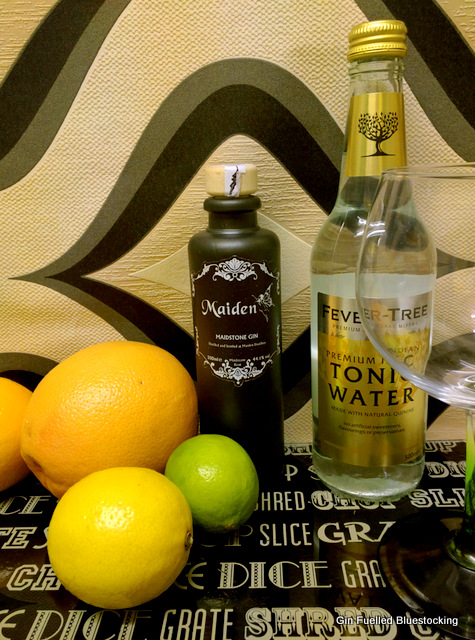
Enough musing and historical talk. To the gin.
Maiden is created using a small batch copper still, producing around 90 bottles at a time and they use ten botanicals in the gins creation – namely, in addition to juniper they also add, coriander seed, angelica, cardamom, meadowsweet, marshmallow root, orris root, cassia bark, liquorice root and orange peel. There is no maceration and everything is simply added to the still, along with the grain spirit, and in one shot, the gin is produced. The end product is then let down with Kentish water to an abv of 42%.
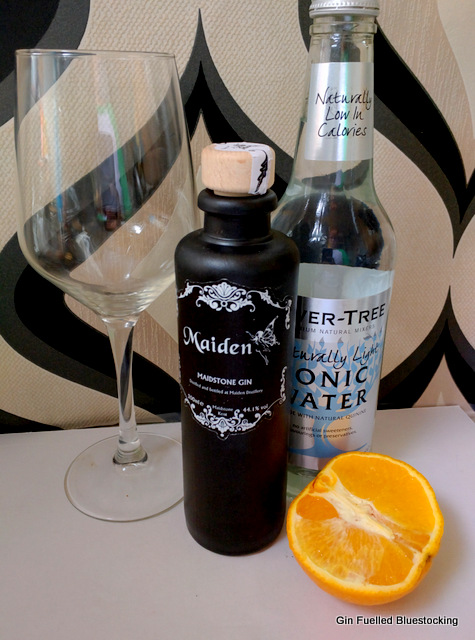
So, what is the gin like?
On the nose, you get a good waft cardamom, of juniper, lots of grassiness, coriander, citrus and a hint at sweetness. In the glass it’s got a light oiliness, and in the mouth a good softness – not as much as Martin Millers, but I presume this is the chalk-filtered water coming through.
On the palate it’s got a good amount of sweetness, but it’s not sugary sweetness, it’s gentler, which will be the mallow and meadowsweet coming through, the cardamom is there and the grassiness comes through more sort of peppery, reminding me of watercress – but obviously without the punch.
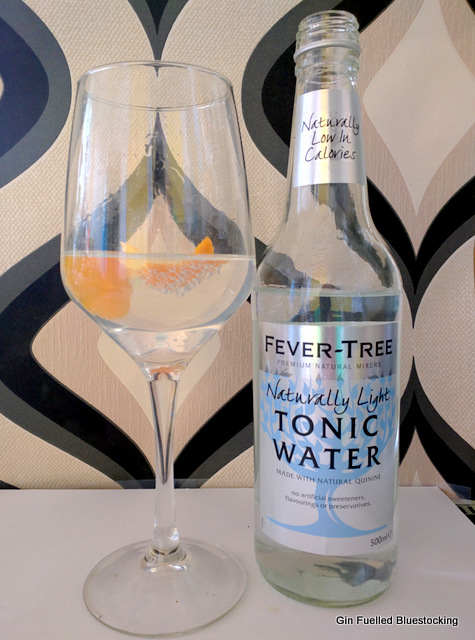
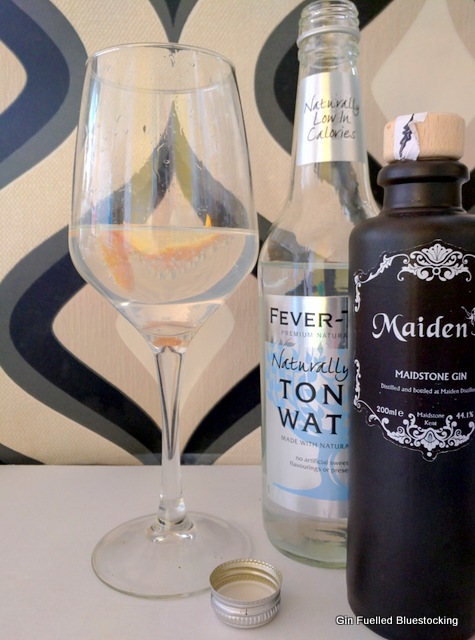
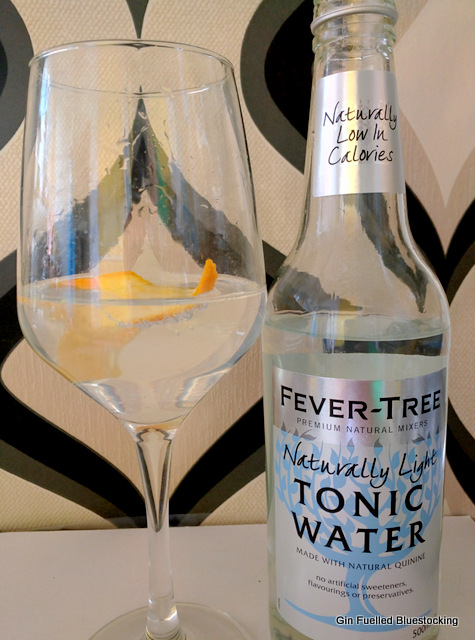
What I loved, and is visible from the above picture, is that this gin is full of natural oils and flavours – like a non-chill filtered whisky, there’s a good amount of louching on addition of tonic, giving it a soft cloudy colour.
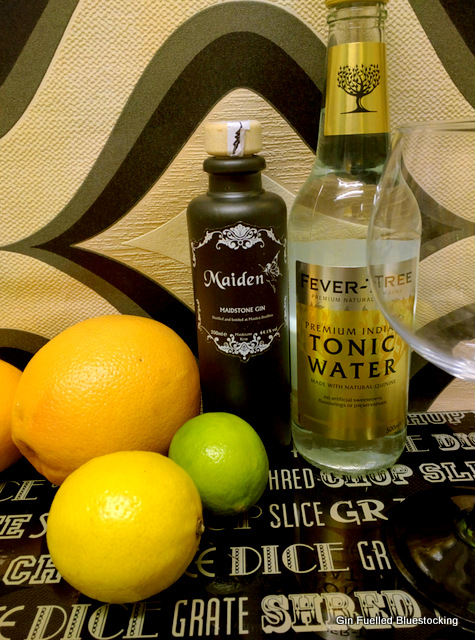
I used orange as the garnish, but must admit, I’m tempted to use what’s left in my bottle (it was only a little one) for playing with some herbs instead. I think something herbal might work rather nicely.
 This a lovely little gin, a beautiful little bottle (the larger version comes in a glass bottle), ideal as a stocking filler, and not, as the master distiller was worried, overly sweet for me at all.
Now who can I get to stock it up here??