
We all know gin has a history – the Gin Craze, Mother’s Ruin, Lady Geneva. She’s been blamed for a lot – tears and tantrums, hangovers, addiction.
In truth for the poor in the 18th century when your source of water was also a source of illness (it might have been your drinking water, but it was also your bathroom), and gin was cheaper than beer, what are you going to do? Yep, you’re going to buy gin.
But, gin – in fact all alcohol started as a way to carry medicine. Herbs, spices, berries were all steeped in alcohol – the medicinal properties are absorbed into the alcohol and unlike fresh herbs, it doesn’t decay.
Take rhodiola rosea, or rock rose – used in both Chinese medicine and more pertinently to us in the UK (given a certain little Viking invasion), in northern Europe. It’s shown to reduce the effects of prolonged and minor physical exhaustion that results in tiredness, particularly stress and prolonged but low intensity physical exercise.
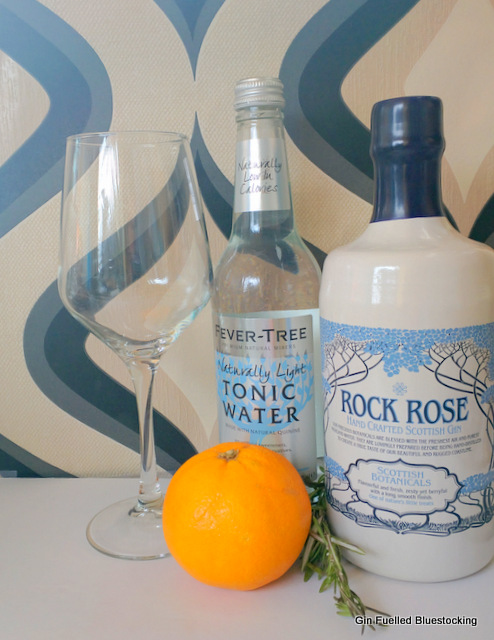
So Rock Rose gin, which contains amongst it’s 18 botanicals, this herb could be considered medicinal…. Yes?
Alright, maybe I’m exaggerating a touch, but it’s one of the five locally sourced botanicals in the gin, from its home in Dunnet Bay, Caithness, including juniper, sea buckthorn and rowan berries.
The local botanicals are blended with other, more standard botanicals such as cardamom, coriander and verbena, and distilled using a custom made still, resulting in the beautifully bottled Scottish gin, distilled by Martin, his wife Claire and ably assisted by their dog, George.
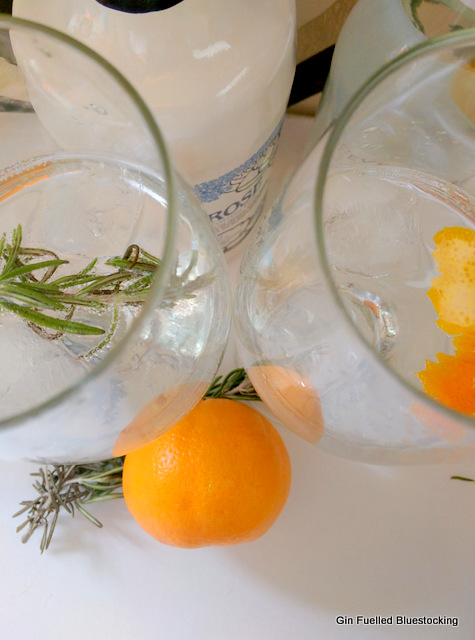
But what of the gin itself? Time for a tasting session.
On the nose, it’s delighfully floral, the rock rose itself comes through, there’s a good amount of citrus (from the sea buckthorn I’m told), with a good earthy backbone.
On the palate, there’s a sweetness, a tickle of pepperiness on the tip of the tongue, the florals come out to play and that earthiness sits below it all, not as strong on the palate as on the nose, but there nonetheless.
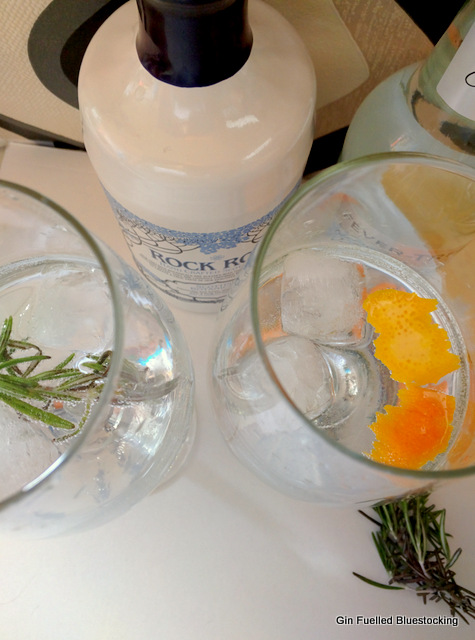
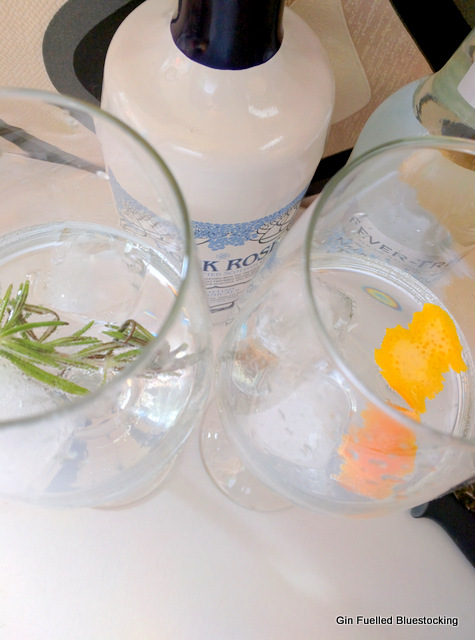
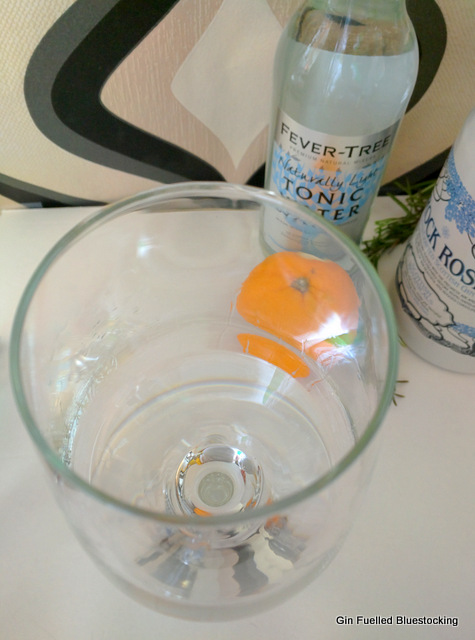
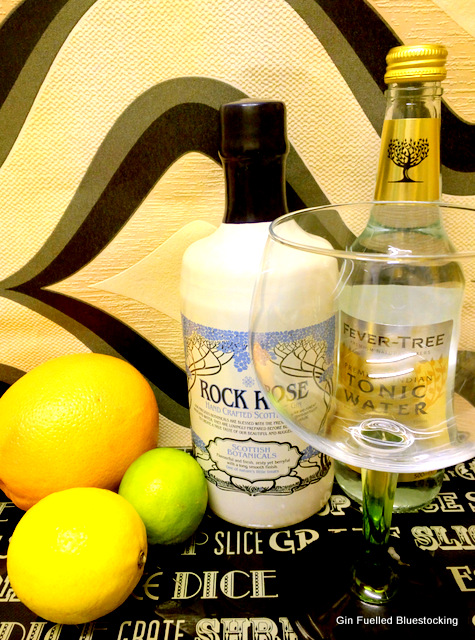
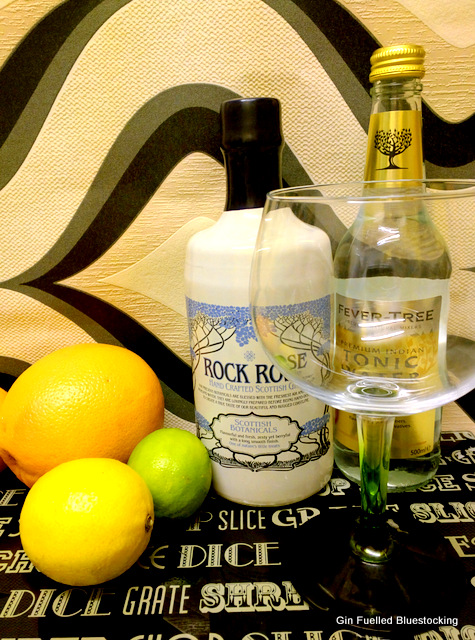
I stuck with a light tonic from Fevertree. The gin is sweet enough not to need any additional sweetness, but I just wanted enough to take away the spike on my tongue. There’s a lovely loucheing effect on adding tonic, which means it’s non-chill filtered. The oils from the botanicals are still there. This makes me a very happy gin blogger.

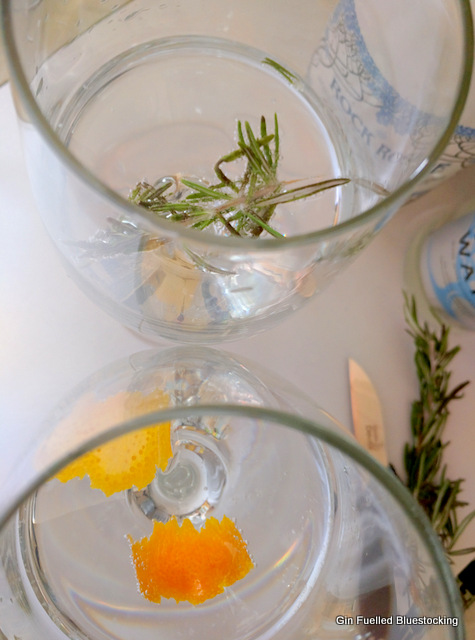
I found myself torn garnish wise. The tonic softens the spike of the gin and let’s the florals play more – I’d have automatically reached for rosemary normally to aid the earthiness, but found that the orange peel brought out more of the florals – but even then, I’m not 100% sure it’s quite right. I think I need to play with a range of garnishes to find what works for me (and when I find it, I’ll update this blog).
Overall, it’s a lovely gin – the floral notes along with the sweetness and the earthiness make it a great G&T gin, one that has layers and so will suit more than one palate style.
And that whole medicinal effect? Well I might have to give that a thorough testing.
You know, for research purposes.

With thanks to Rock Rose Gin for the bottle to sample.
Love this gin, but I’d love to see a touch more oomph in the botanicals… I’ve been tasting a lot of sea buckthorn recently, yum!
I know what you mean, I don’t think the rose comes through as strong as it could, but then again, a step too far and it could put others off it as it would be too perfumed. Tricky balancing act.