The one that’s been a long time coming…
We talk about the gin boom a lot. The change in the law back in 2009 facilitated by Sipsmith has a lot to do with this, but there’s also a secondary element.
Along with the gin boom has quietly followed a whisky boom. In some cases, those with a gin distillery have decided to diversify into whisky with a view to the long term (and because once you get the distilling bug, you want to try your hand at everything). But for the majority, it’s been the other way around.
After all, whisky takes three years and one day (one day to distill, three years to mature) before it can be considered ready. And in the meantime, you have a still just, well, sitting there. Add to that the three years you have to wait before you can sell your whisky – three years in which overheads, and staff costs, etc mount up, and there’s more than one reason why whisky distillers look to gin.
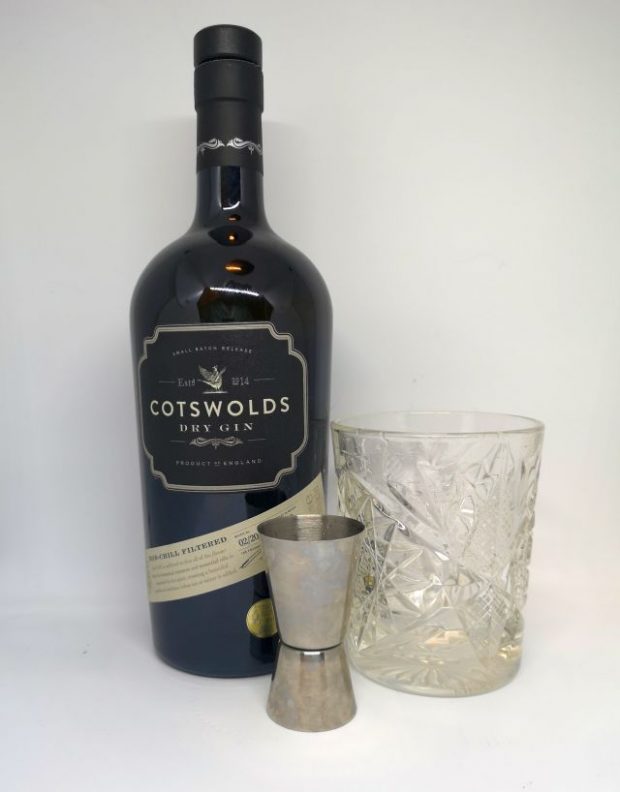
Cotswolds was one such distillery. Aided by Jim McEwan (Bruichladdich) and Harry Cockburn (Bowmore), owner Daniel Szor and his wife set up not only a whisky distillery, but a gin distillery, and a tourist centre, offering tours, tastings and blending experiences.
Whilst a visit to the distillery is still on my hit list, I am no stranger to their gin ( or their whisky for that matter), so it’s more than time I reviewed it.
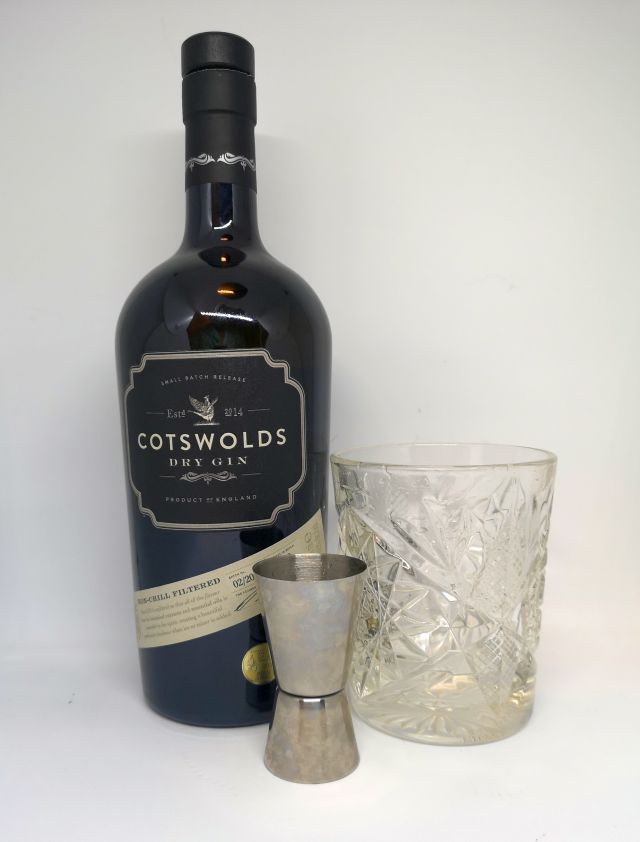
The gin is kept simple. Distilled with nine botanicals – juniper as you’d expect, along with coriander seed, angelica root, lavender, bay leaf, hand-peeled fresh lime and pink grapefruit, cardamom and black peppercorns. The gin is a London Dry style gin – a ginny gin, or juniper forward style of gin.
Neat the nose has the softness of copper used in the distillation comes through, along with herbal earthiness from angelica and the lavender, a bite of sweet citrus, and juniper chasing through the back.
On the palate, the mouthfeel is oily and rich, the flavour profile is a little tight, but you can still pick out coriander, lemon, juniper lavender, and angelica. I may have to try this in a martini. Just a touch of dilution, would be enough to cut through the tightness, let everything flow.
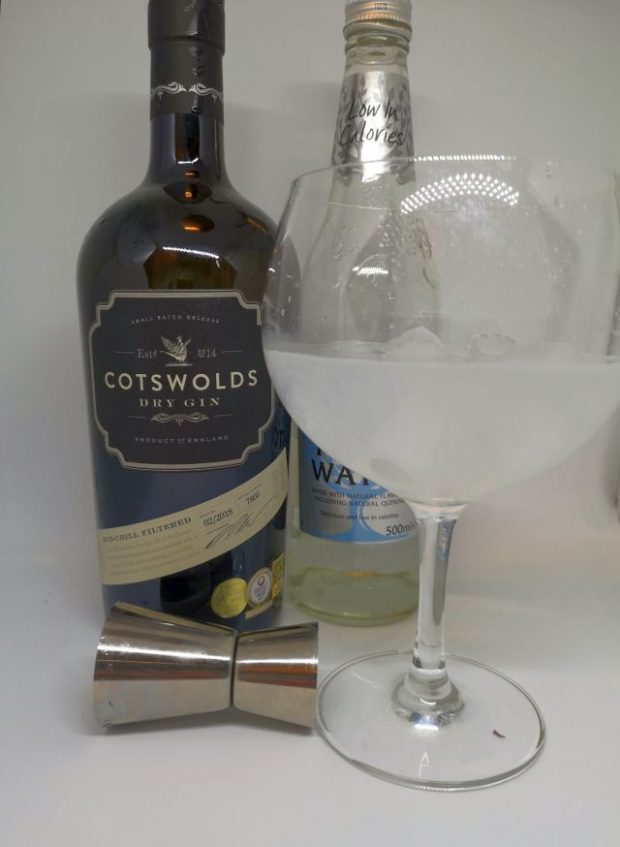
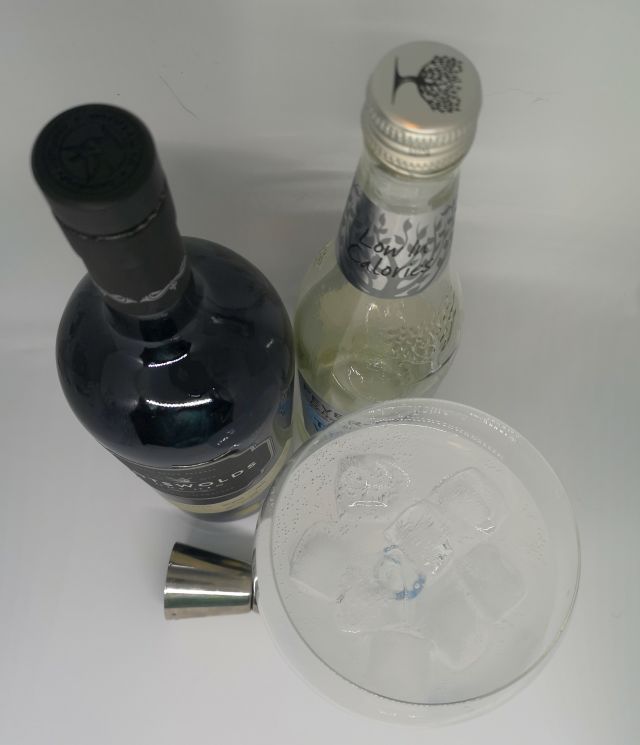
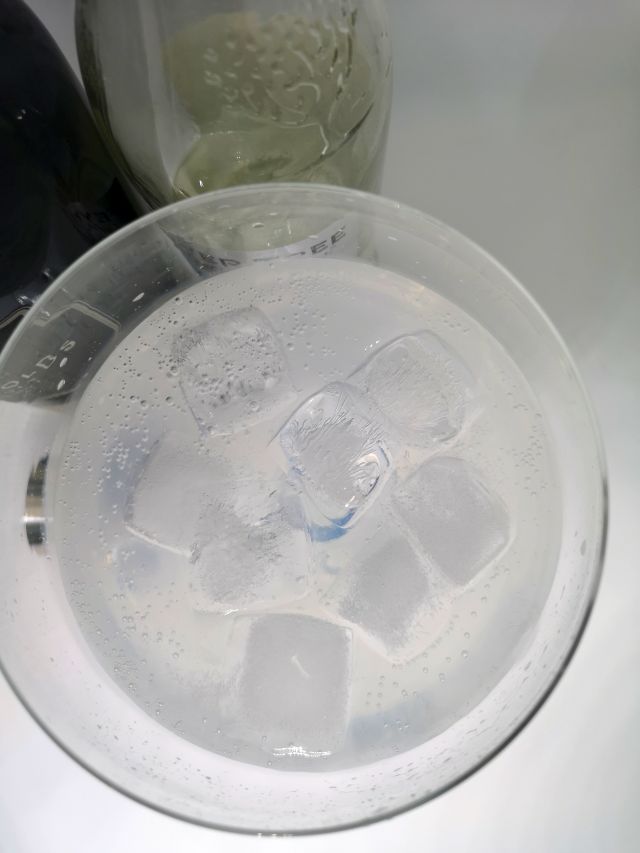
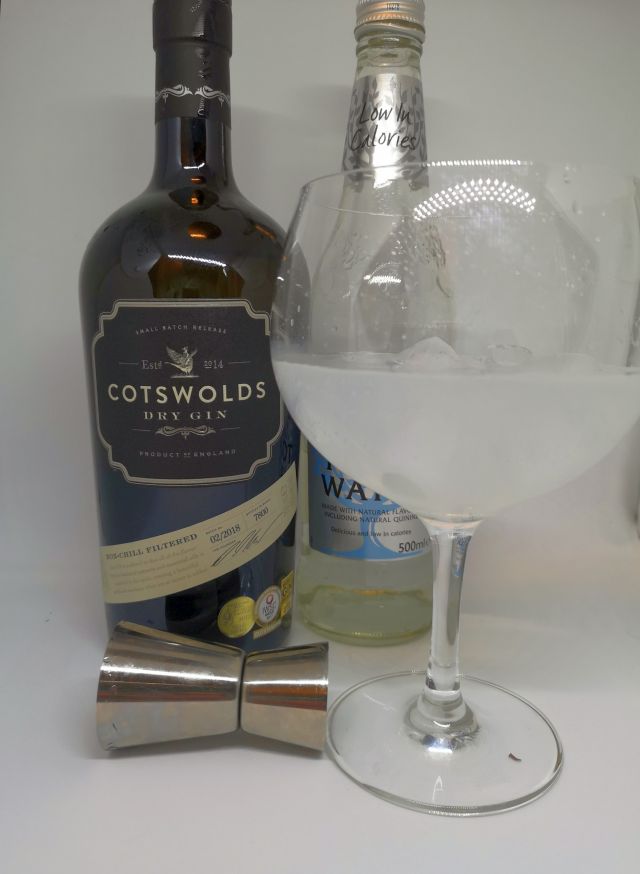
In a G&T the first thing that hits you is the louching – because they don’t remove any of the natural oils, the gin turns cloudy. This is a completely natural effect and opinion on it is as divided in the gin community as it is in the whisky community (and the beer community over refined and unrefined beer). Some prefer the spirit to be filtered so you can get rid of the louching effect, for personal preference and because there’s concern that consumers will find it weird, and potentially send it back! For others, it adds to the spirit. It reminds people that this is a product using natural ingredients, it adds to the mouthfeel (making it oily and round) and adds an extra layer to the flavour. Personally, I kind of like it, in both gin and whisky, but as for it making any difference – I’d need to try a filtered and an unfiltered side by side. And nobody has let me do that yet.
The nose on the G&T is really light, just a whisper of juniper and the soft citrus of coriander. And when it comes to the palate… There are some G&Ts that just make you sigh with satisfaction. It hits all the right spots. Piney juniper sits at the back and top, and lingers long after you sip. The rest is all of the classic flavours, coriander, and citrus cutting through the heavy pine to refresh.
You could drink a lot of this. It’s a properly satisfying gin, refreshing, clean and citrussy, with enough bite from the juniper for you to know that it’s exactly what it says it is, a London Dry Gin.
I’m surprised the bottle has lasted this long to be honest.