
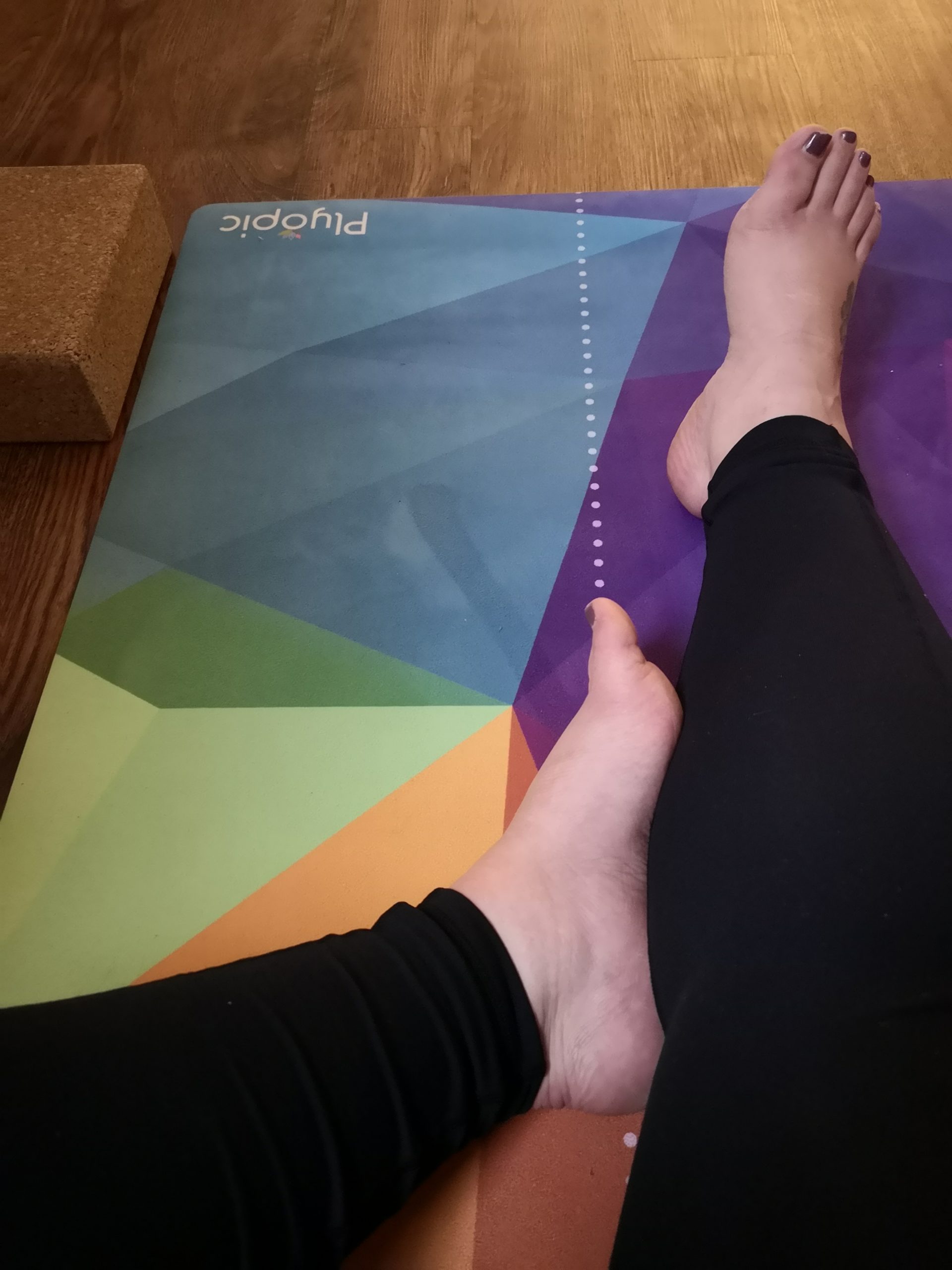
As many of you know, I’ve been trying to head to regular yoga classes at The Life Centre North (yes I’ve stuck with it!).
It’s not just about spending time stretching and working with my body, a big part of it is looking inward, time to reflect, time with yourself – even if you’ve got someone leading the practice.
But I admit, I don’t know much about it’s origins or history. A chat Vivek Roy, from the Sattva Yoga Academy, led him to write this for me, so I – and you – can learn a little more.
YOGA:
We all are aware of this term so well. It is so common in our vernacular (indigenous)that this Sanskrit word has been incorporated into English dictionaries. The word “yoga” itself comes from the root “yug” which means ‘to join’ or ‘to yoke’ or ‘to unite’.
ROOTS: it is said that the practice of Yoga leads to the union of individual consciousness with that of the Universal Consciousness leads to perfect harmony between the mind and body, Man & Nature.
It’s all about self-realization, it’s an incredible process of exploring the human mechanism and to know what it means to be you as a human, to overcome all kinds of sufferings leading to ‘the state of liberation’ with health and harmony as the main objectives of Yoga practice. Yoga is so old, that nobody knows exactly when it started. But, it began long ago when people started trying to understand what life is all about. We do know, though, that it originated in India 15,000 or more years ago.
ORIGIN:
The practice of Yoga is believed to have its origin thousands of years ago, even before the first religions or belief systems were born. Shiva is seen as the first yogi or Adiyogi or the first Guru or Adi Guru. There exists an amazing story, well No one can prove Shiva’s existence or if any of such story is true, it goes like- 15000 years ago a yogi (Shiva) appeared in the upper regions of Himalayas. nobody knew where he came from, his antecedence was completely unknown. he was such a phenomenal presence. People gathered around him and expected him to say something, do something. he did nothing, he said nothing, simply he sat still. Not for a day, not for a week, for months, for years, neither ate nor drank water. Everybody was expecting a kind of miracle- nothing happened, he just sat still. The only sign of life was – off and on tears of ecstasy (rapture) were dribbling down his cheeks, otherwise, he simply sat unmoving The story says that he had seven disciples who became the seven rishis. They are considered the founders of most spiritual traditions in the world. So seven people somehow realized the most fundamental miracle of him sitting there because if he has to sit there like that he has transcended or sublimed the physical nature, otherwise one cannot sit like this. These seven people are the Sapta Rishis. The first discipline of Adiyogi. These seven people (Sapta Rishis) told Adiyogi that they are willing to practice the same. Adiyogi gave them some steps as guidance, they prepared for many years. then one day when the solstice was shifting that was the time when Adiyogi first gave his turned to south and gave his teaching because the sun turned south, he turned south too and started explaining the mechanism of being human and various aspects of this body with 112 different ways (now as on this day the United Nation had declared the World Yoga Day as Yoga began on this Day i.e. 21 June) later Adiyogi asked these seven people to go in seven different directions in the world to spread their knowledge
HISTORY:
Yoga’s development is been trackback to over 5000 years old and some researchers even say that the origin of yoga is 10000 years old. Yoga rich 10000-year-old history of development and practice can be divided into 4 major parts:-
Pre-classical yoga
Over 5000 years ago in Indus Sarasvati civilization is the place which gave onset to development of Yoga. The word yoga is mentioned in the texts of rig Veda. Vedas are the large body of religious texts originated in ancient India. The text consists of the oldest layer of Sanskrit literature and the oldest scriptures of Hinduism. It is said that the Yoga was slowly refinement and developed by the “brahmans and rishis” who exercised yoga and also documented their practices and belief in the Upanishads, a part of the Vedas, which includes Sanskrit text of spiritual teaching and ideas of Hinduism.
Classical yoga
we have seen how pre-classical yoga includes the history of yoga in various religious texts, in classical yoga is the first structured presentation of yoga which is also defined as a period of Patanjali Yoga sutras. The path of raja yoga is also called “classical yoga“. The practice of Patanjali yoga is presented into an “eight-limbed path” which includes different stages and steps for acquiring samadhi or enlightenment.
Post-classical yoga
After hundreds of years of Patanjali yoga, masters yoga rejected the teaching of ancient Vedas
They developed a kind of yoga to embrace the physical body to achieve enlightenment. The type of yoga which is done to embrace the physical body id known as “tantra yoga” with radical techniques. This yoga mainly focuses on cleansing of the body and to explore the physical-spiritual connections.
Modern period
In the modern period of yoga, the masters of yoga began to travel to the west where they are attracting and seeking the attention of many people who began to follow them afterward. Swami Vivekananda gave an incredible lecture on yoga and the universality of the world’s regions. Hatha yoga was actively promoted in India by many Yogis who were practicing the same.
Development
We have seen how yoga is developed from just written on religious texts to being practiced all over the world in this modern world. Yoga is being practiced for embracing the physical body as well as the to break the knots that bind our physical existence. Yoga is now practiced all over the world with great interest and 21st June is celebrated as an international day of yoga from 2015. The masters of yoga travelled to the west where they attracted people and grabbed their attention towards yoga. The people actively participated in and followed the masters. it has become a part of education and has been practiced in institutions nowadays as a compulsive or a must act.
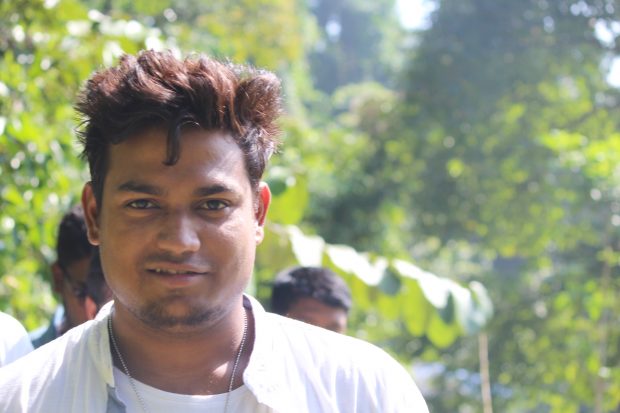
Vivek Roy is an enthusiastic Yoga blogger and Traveller from India. He has done 300 hours yoga teacher training. He loves to travel and share the knowledge of yoga around the world. For more information about him visit his website Sattva Yoga Academy.