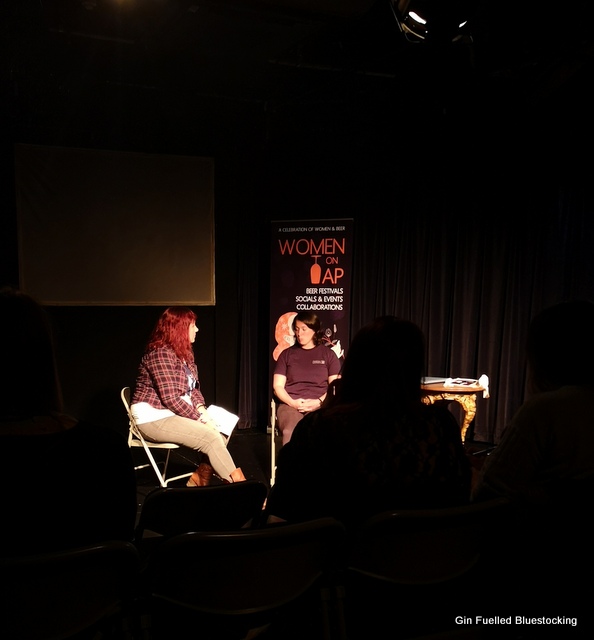
A couple of weekends ago, I went to the first (of many I hope) Beer for All Conference in Harrogate. Part of the Women on Tap Festival (which had until now somehow escaped my notice, but I can see it will be a must attend next year).
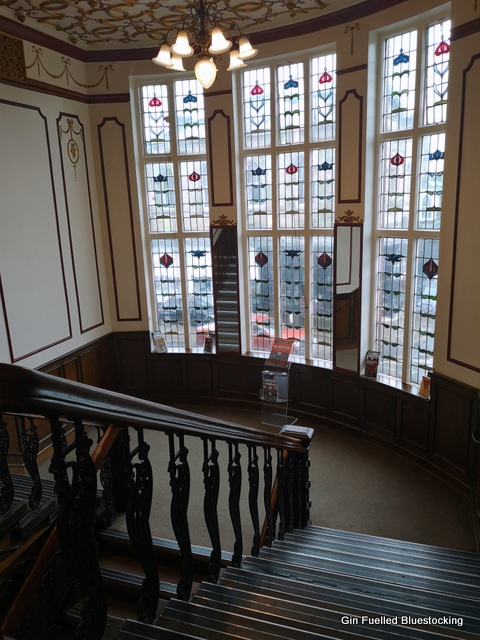
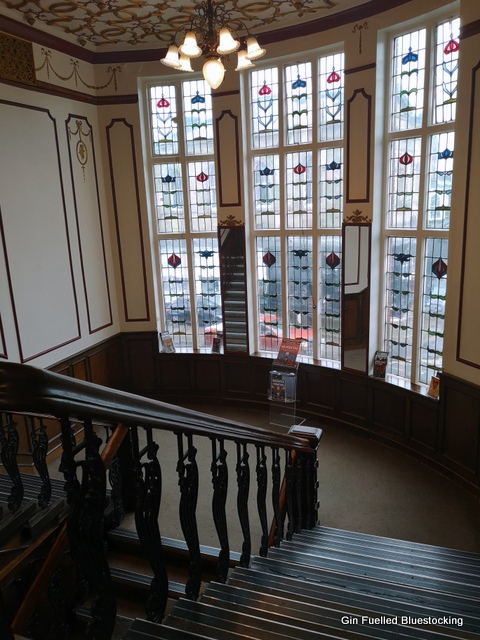
Held in the gorgeous Harrogate Theatre, the theme was primarily concerning women and beer, but not entirely so – much of the content was about inclusion and openness, something that concerns everybody.
It’s worth noting however, that as I write this, these are my thoughts as an attendee, as a cis white female, as one confident in drinking beer, but who doesn’t work in beer directly. I appreciate this will colour my experiences and my thoughts. So apologies for the minor brain dump that follows!
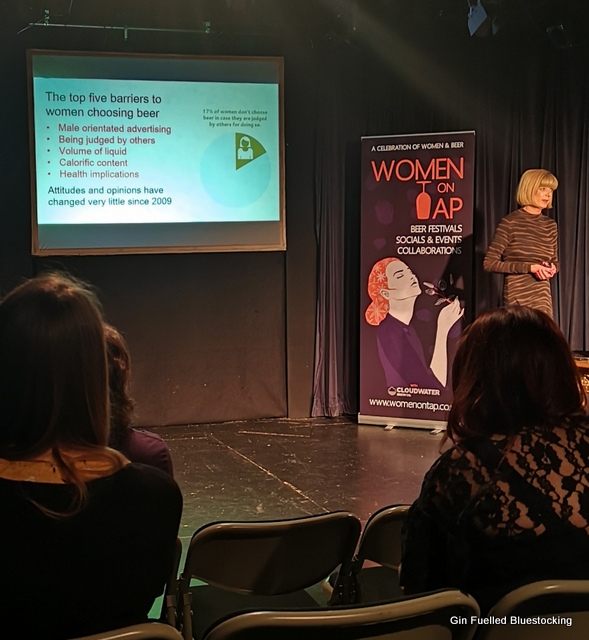
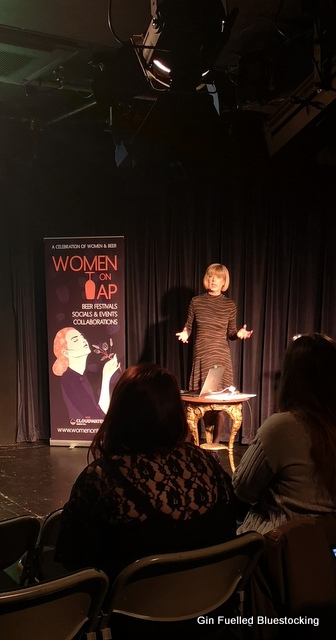
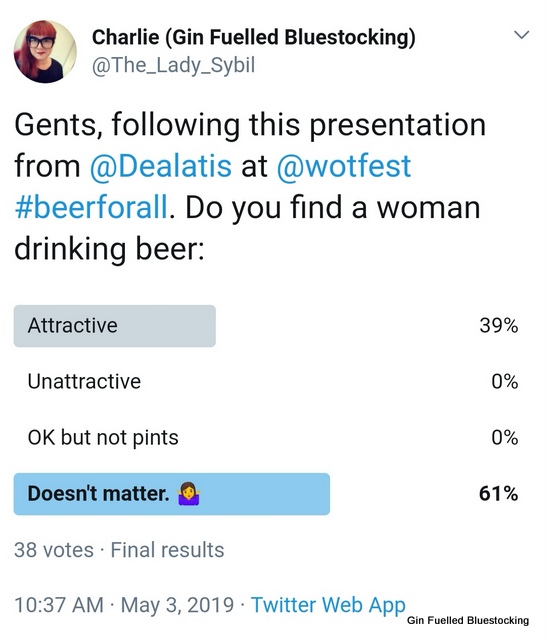
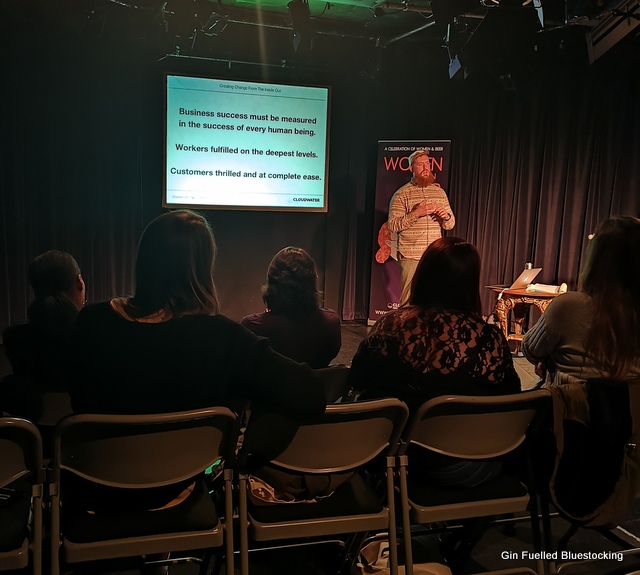
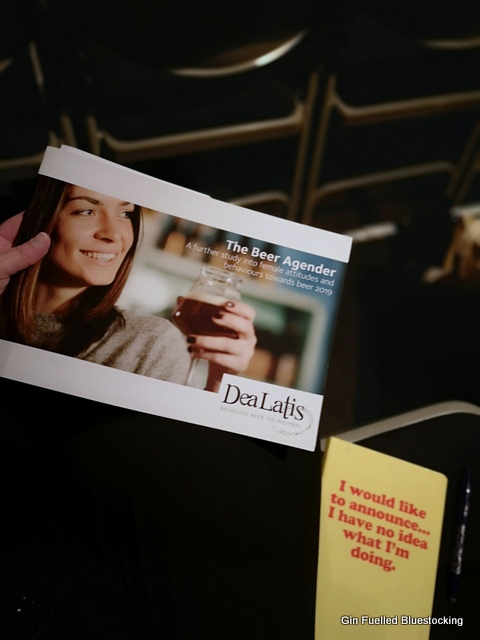
We kicked off with perhaps one of the most interesting presentations from Annabel Smith from Dea Latis. Dea Latis is a group of women in beer – brewers, maltsters, hop growers, publicans, sommeliers, writers, marketeers and drinkers. They host regular events promoting beer, and women in beer, and most recently, worked to research relationships between women and beer. More on that later.

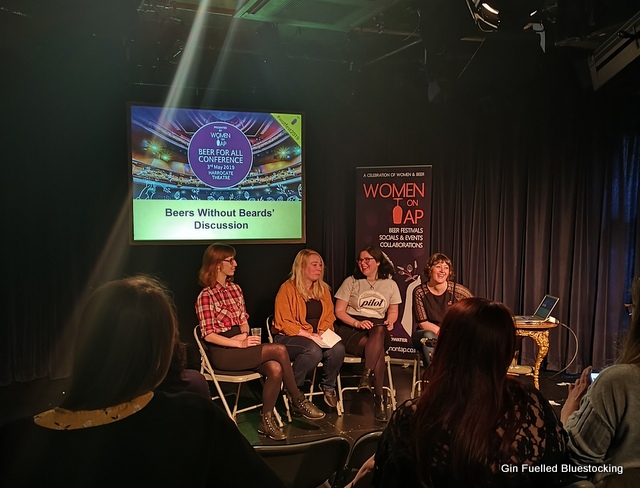
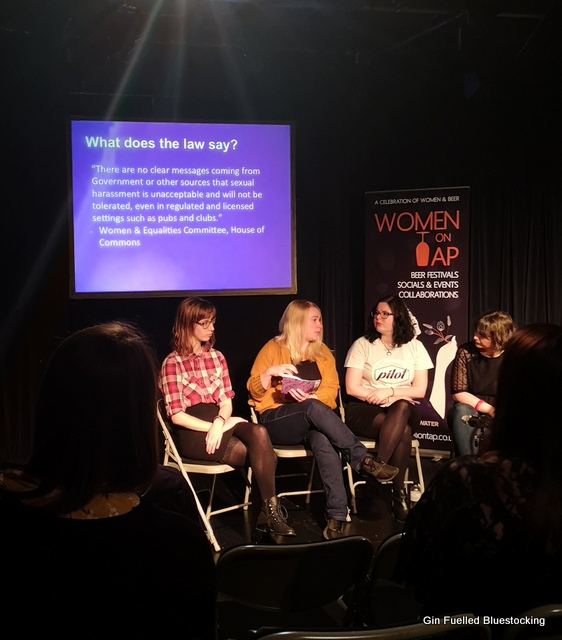
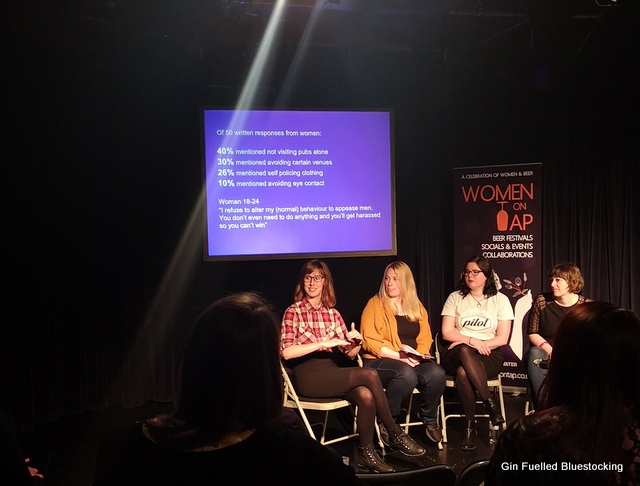
Our second talk was from the Beers Without Beards – a group based in Edinburgh, who umm, don’t have beards and drink beer. Enjoy beer. Beer tours, meet the brewer events. They discussed some research that they have been doing in collaboration with Women on Tap concerning sexual harassment in beer. This was… Yes. Horrifying. Enlightening and whilst I wait on further researching being released from it, I’ll leave it there. This deserves a post all of its own.
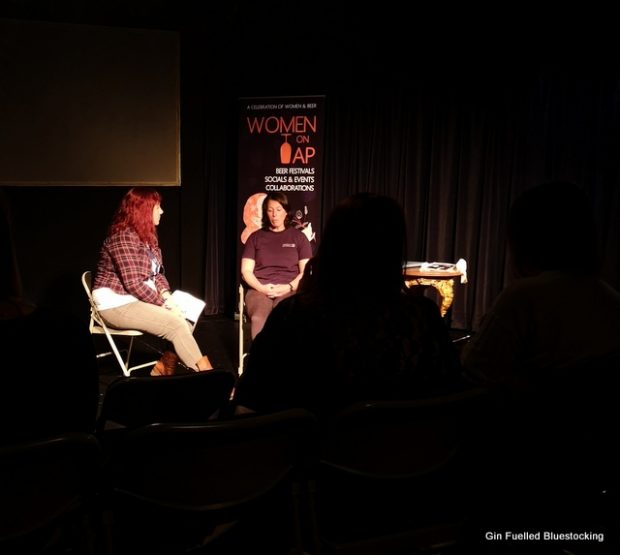
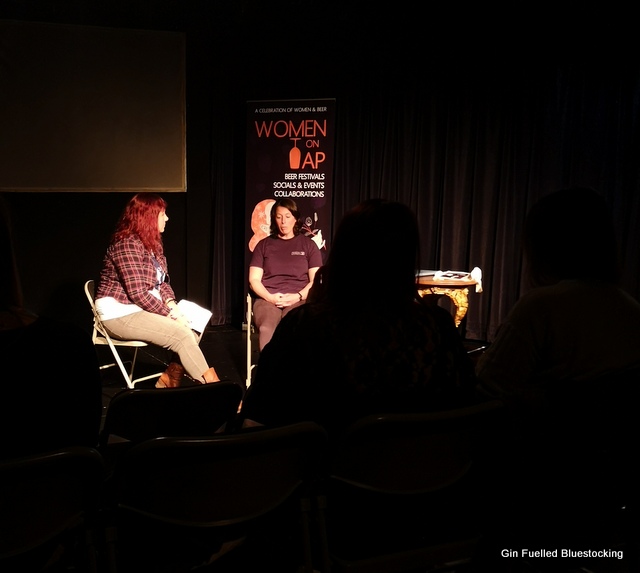
Barriers To Beer featured a Q & A with Sophie de Ronde, who is the Head Brewer at Burnt Mill Brewery and Founder of International Women’s Collaboration Brew Day.
The Beer Agender

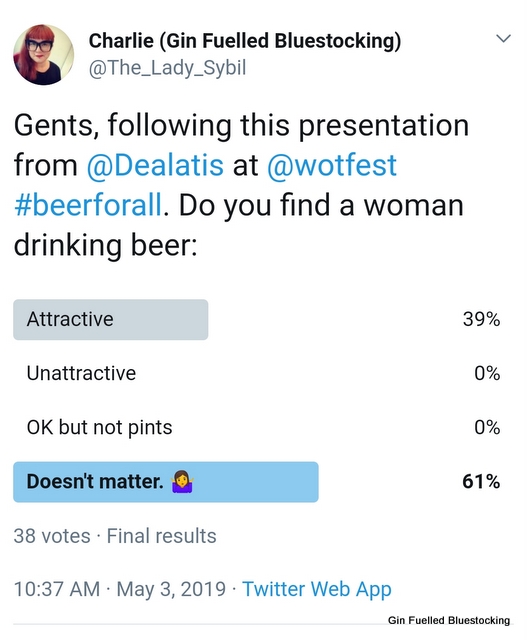

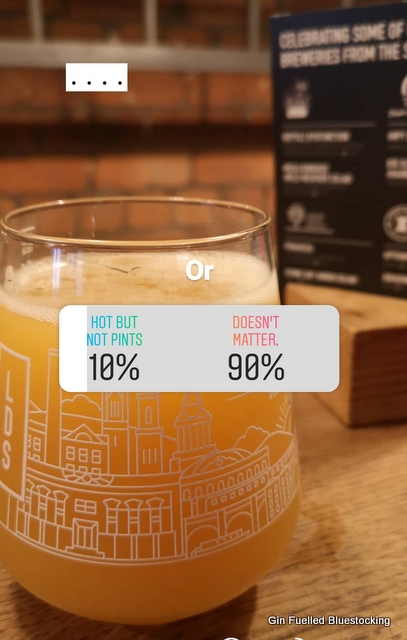
And yet, as one conference goer pointed out, fruit cider in a pint glass is deemed acceptable?
The reasons that were given for the poor view of beer, were numerous as pointed out before. The portion sizing – pints is the automatic assumed serving size. And yet that doesn’t quite sit with me. I often order thirds, or a half. You are in control of how much you order. In my case, a pint is relatively rare, but that’s not the same for everyone.
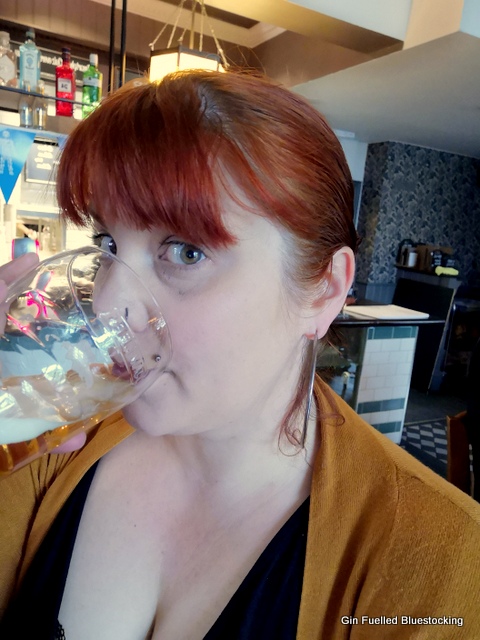
The Glassware
It’s not ‘pretty enough’. A suggestion being put forward that we should offer two styles of glassware, one standard, one pretty. This really doesn’t sit comfortably with me. We don’t want to be patronised, pandered to. I certainly am not going to ask at the bar for a beer in the pretty glass. That’s almost a reinforcement of the judgement a woman can get for drinking beer in the first place. Make it beer, but make it pretty.
That said, there is, perhaps a difference if the beer is served how it is meant to be served. We see on the continent beer served in a variety of glass styles as dictated by the brewers, but we don’t really see that here. Maybe this is a way forward?
The Gas Issue
Yeah, OK. Beer makes you burp. So does gin and tonic. So does wine. Maybe it’s not the burping exactly, but leads back to the portion sizing? And/or maybe we just drink beer faster? Is it the idea that we must match drink for drink with those that we’re with, and if we choose beer, we often choose a pint, and have to drink it at the same pace?
Maybe it’s all Image
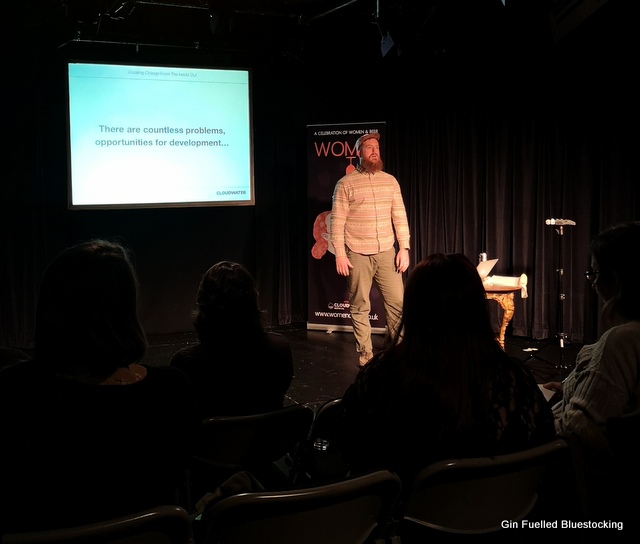
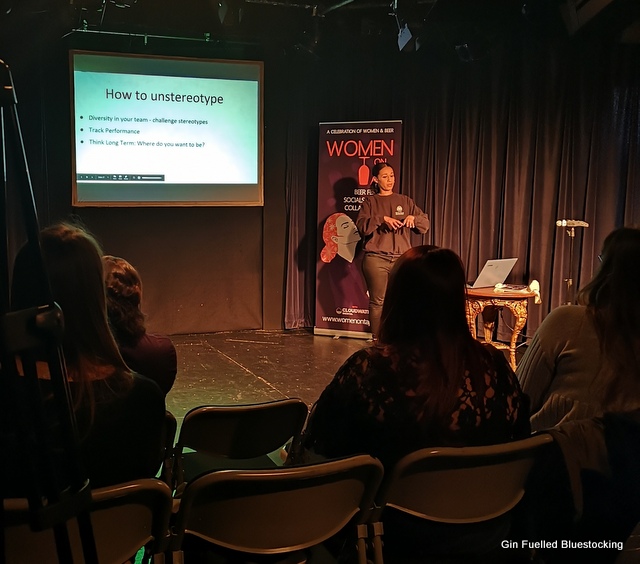
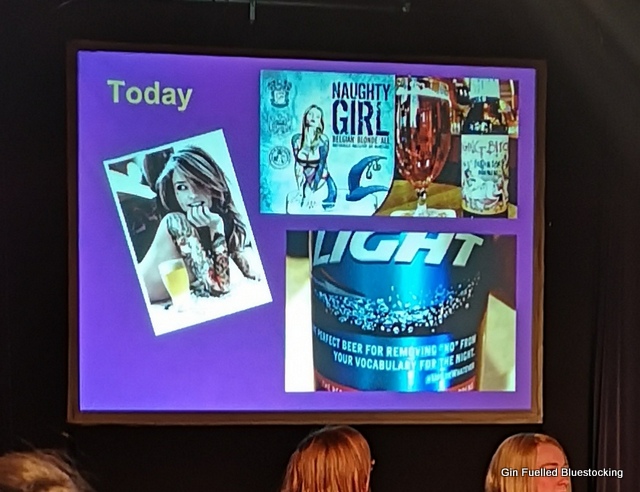
Despite it’s female roots, beer has been advertised to men by men for a very long time, and as touched on by Jaega in her talk, it’s not always been in the most positive way.
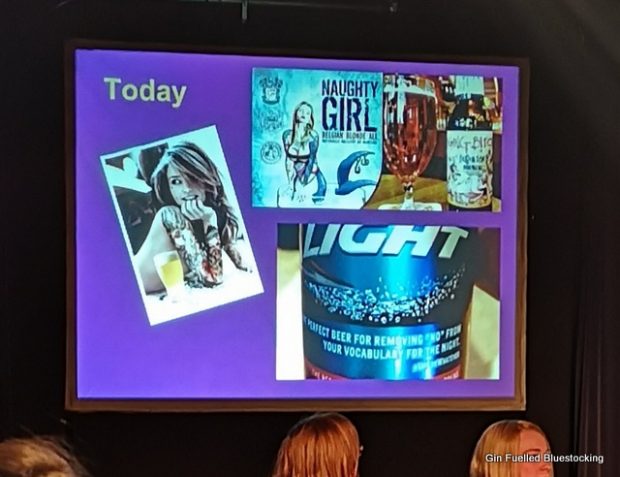
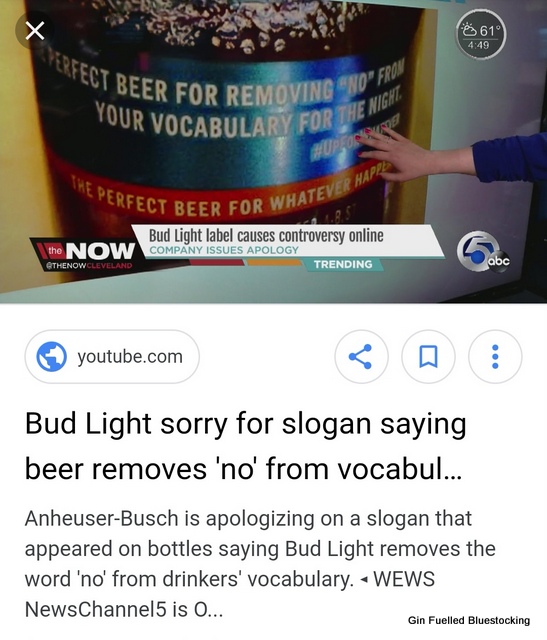
This is one of the biggest issues. Even when a national event offers brands the opportunity to target everyone, they still choose the male demographic. And that’s before we even get into sexist beer clips, sex as an advertising tool, and the sheer trash above.
Women are not engaged. Women are not involved. And no, please god, this does not involve anyone making a beer for women. As much as you can take your sexist advertising and shove it, you can take your sweet, pink, stereotyped beer and do just the same.
Just show a woman drinking a beer occasionally. A woman enjoying her pint. A woman ordering a beer at the bar, and not looking like a stereotyped laddish drinker. I can still easily recall walking into Brew Dog glammed up, in a dress, ordering a pint and getting looked at bloody weirdly. That shit sticks with you.
Beer Versus Gin
At a few points, both during, and in the lead up to the conference, particularly when talking glassware, gin was compared to beer. This is probably one bit where I can speak on a bit of authority.
The uptake in gin is being viewed as a possible way to increase the uptake in beer with women.
In some ways, quite possibly. Although the increase in gin popularity actually has it’s roots in the removal of an old law relating to the 18th Century, gin is marketed in a whole different way to beer.
Gin doesn’t tend to (there are exceptions, there are always exceptions) advertise to a particular gendered demographic. It’s seen as something anyone can drink – male, female, non-binary – there’s no real push to any one in particular. There have been a few occasions when I’ve been told it’s a woman’s drink, but it’s worth noting that it was a drink of choice for officers, and I learned to drink it courtesy of two members of the ‘Old Boy’s Network’ – the chino trousers, striped tie and blazer brigade. So it doesn’t have that element holding it back, except in very small pockets.
It also (barring the whole pink gin thing) doesn’t care what age you are, what sexuality, etc etc.
Another way it’s marketed differently is that much more is made of the components and even more so the story behind it. When it comes to gin, I’m a story teller. Put a gin bottle in front of me, and I may forget a botanical or two, but I can tell you who makes it, where, probably how, and how it all came about. Gin sales are an art form. Gin training is given to staff – how to garnish it, what to serve it with, suggested glassware, and again the story is told. Knowledgeable bar staff will have this information, either to hand, or in the menu to show customers.
How much of this is done with beer? Or are venues and brands just relying on the name, and maybe a description on a blackboard to sell it?
When a consumer drinks a gin, there is often more of an investment into the brand. They like it, they like the story, when they drink a beer, do they just drink a beer?