
Saturday morning in Redbank Co. There’s a full house and it’s not even open yet. Which also means there’s no chance of Eggs Benedict for breakfast. Dammit.
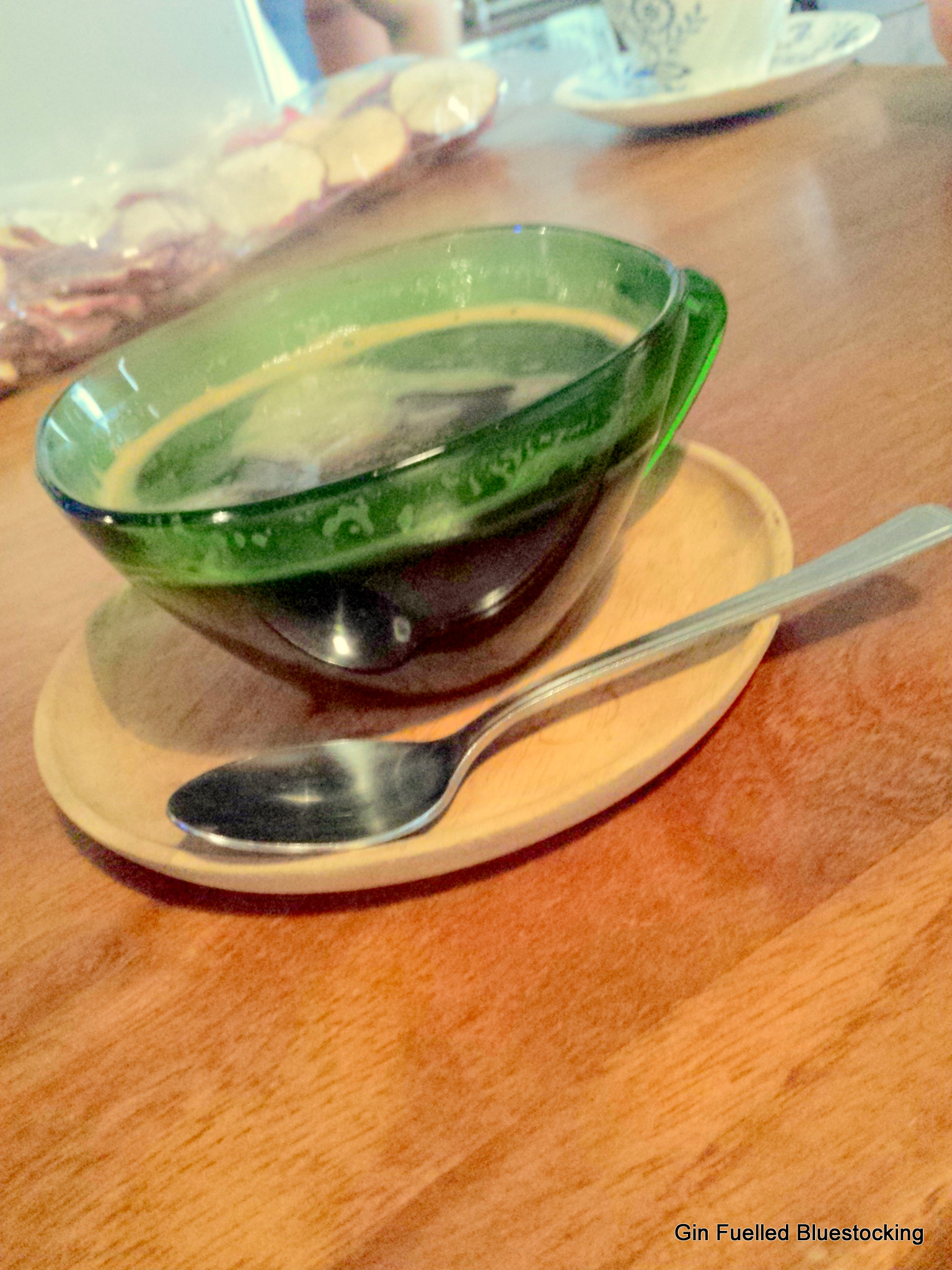
Thank god for coffee.
Caorunn Gin have been working with bartenders in Manchester (and indeed across the world, a quick search tells me) taking them on foraging trips into Lancashire, to experiment with Caorunn Gin and botanicals, syrups and tinctures that could be made with wild plants, fruits and seeds.
After a few successful trips and bars like Lawn Club and Elixir coming up with cocktails such as the Wild Urban Bramble, they’d turned their attention to those who’d drink the cocktails.
And this was why on a grey day, a bunch of intrepid explorer bloggers and Brand Ambassador for Carounn Gin David Barber, headed out into the hills of Lancashire to go foraging.
Our guide for the day was David Winnard, who has been foraging since he was 5, so knows a bit or two about the great outdoors. Certainly more than I, who despite leaving Manchester dry and comfortable, ended the day a little chilled and definitely soggy.
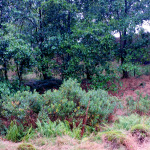
We were out there specifically to find the 5 botanicals that go into Caorunn Gin – the Celtic botanicals that make it a little bit unusual – rowan berry, bog myrtle, heather, dandelion leaf and coul blush apple. The spot where we were whisked to is the only place in Manchester that has all of these. And, as the bog myrtle is very popular with brewers and very rare in Manchester, I can’t tell you where.
Though, to be honest, given I paid no attention whatsoever to where were were actually driving to, I wouldn’t have a clue anyway.
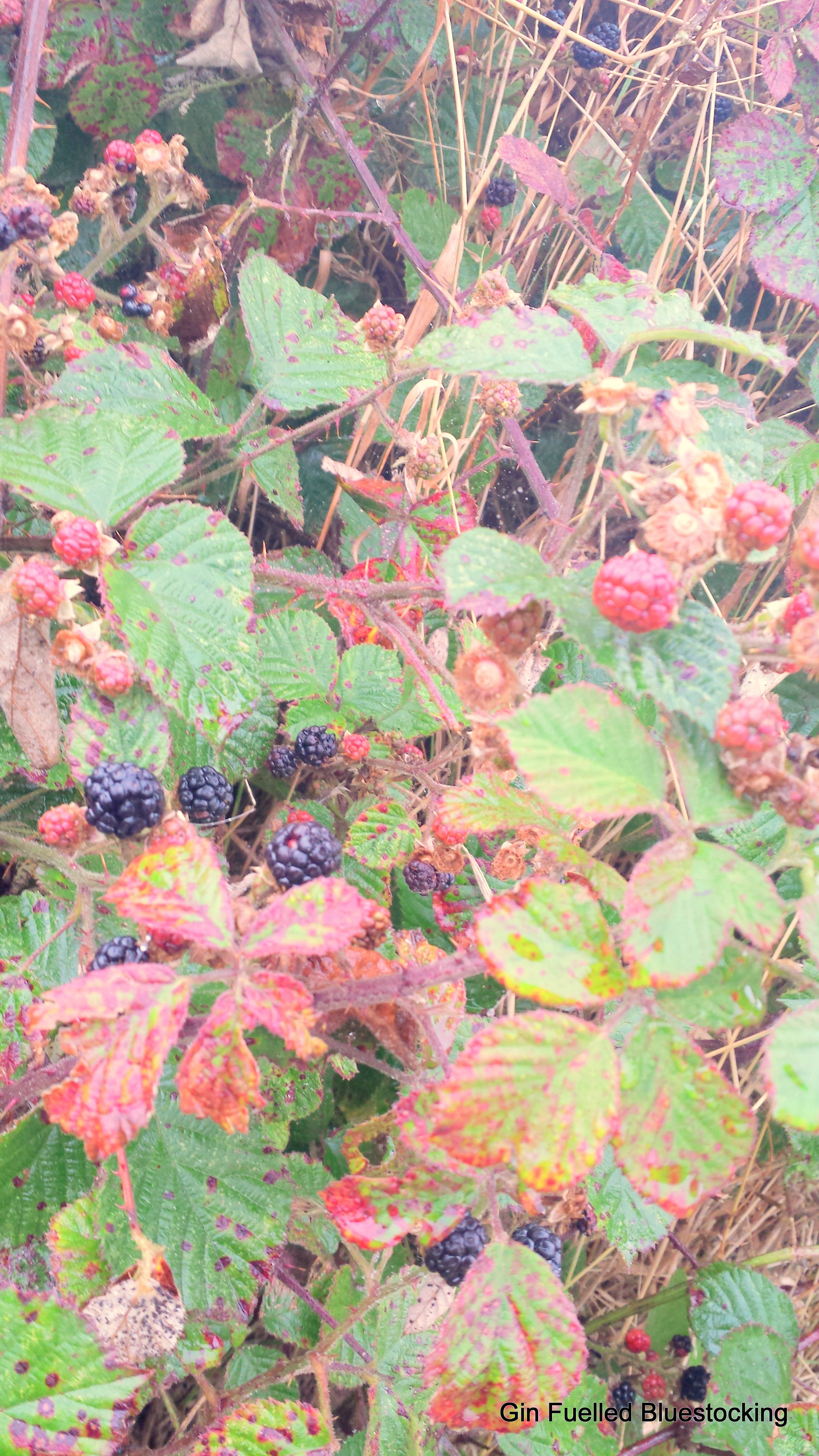
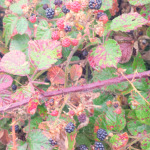
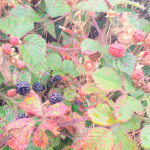
As we arrived, the drizzle had started, softening the scene, and distinctly dampening it. David met us and though they’re not a part of Caorunn (though go very well in a Bramble) he’d spotted a healthy patch of brambles close to the car park. There are, 565 different varieties growing in the wild, and, though he wouldn’t tell us where, lots of the Himalayan Blackberry (a big plant, with big fat berries) growing in Manchester city centre.
Now, as ever with picking brambles, aim for above waist height and go for it. With so many varieties, some will be sweeter than others, some bigger, some smaller, but all edible.
Crumble anyone?
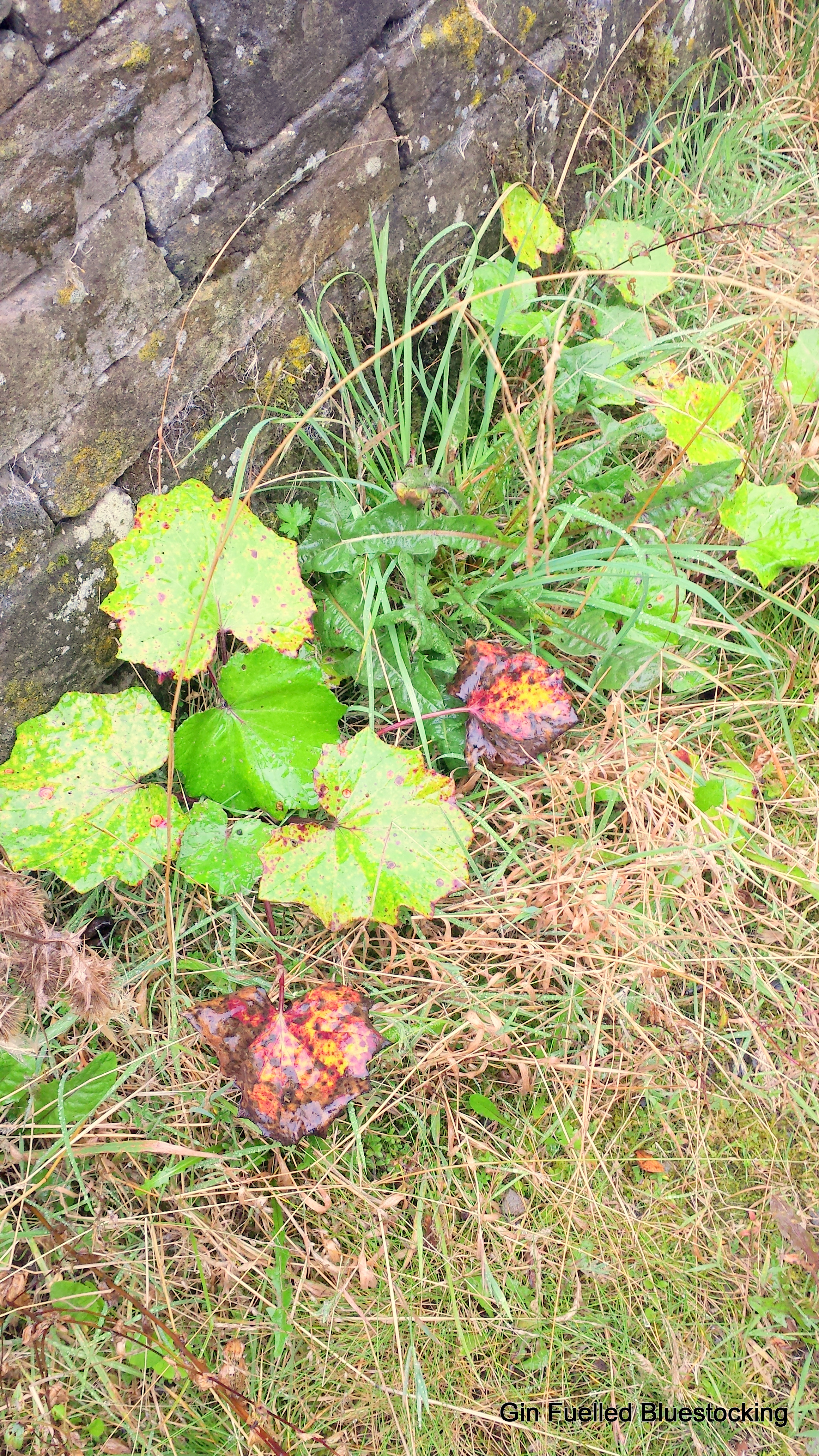
A little walk away from the fruit, David had spotted some colts foot and then the first of the botanicals from Caorunn, dandelion. The dandelion adds a citrus element to the gin and is absolutely edible. The young leaves can be used in salads, the roots can be dug up and roasted and the petals can be used in tea or in dandelion wine. Of course, it’s one of the key ingredients in dandelion and burdock.
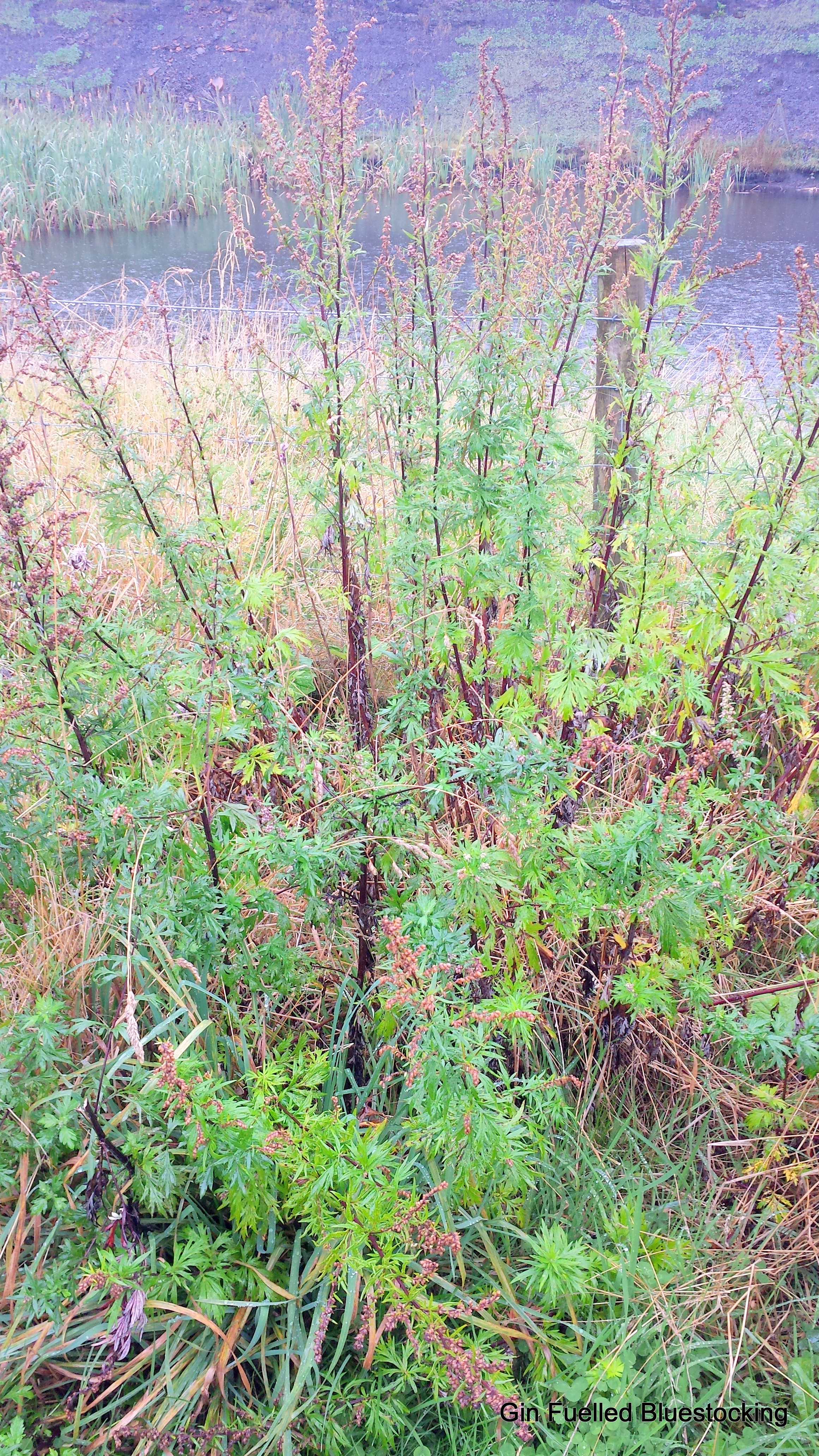
David also pointed out mugwort to us. Alongside the botanical bog myrtle, this was long used in brewing for flavouring, before we discovered hops and they took over. Mugwort is a relation of wormwood – more associated with absinthe. It’s found all over Manchester (indeed Europe) and is used for everything from stuffing a goose (German tradition) to flavouring drinks.
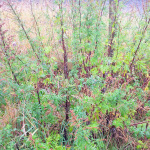
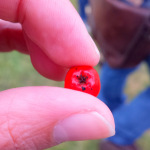
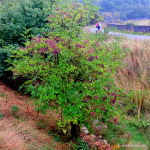
Moving on, and onto muddier ground, we had our next botanical, rowan. A plant that holds a lot of superstition in Scotland, it’s now everywhere – it’s relatively quick growing and has become a favourite of councils and developers, as it’s rather pretty, with laddered leaves like an ash, and bunches of red/orange berries.
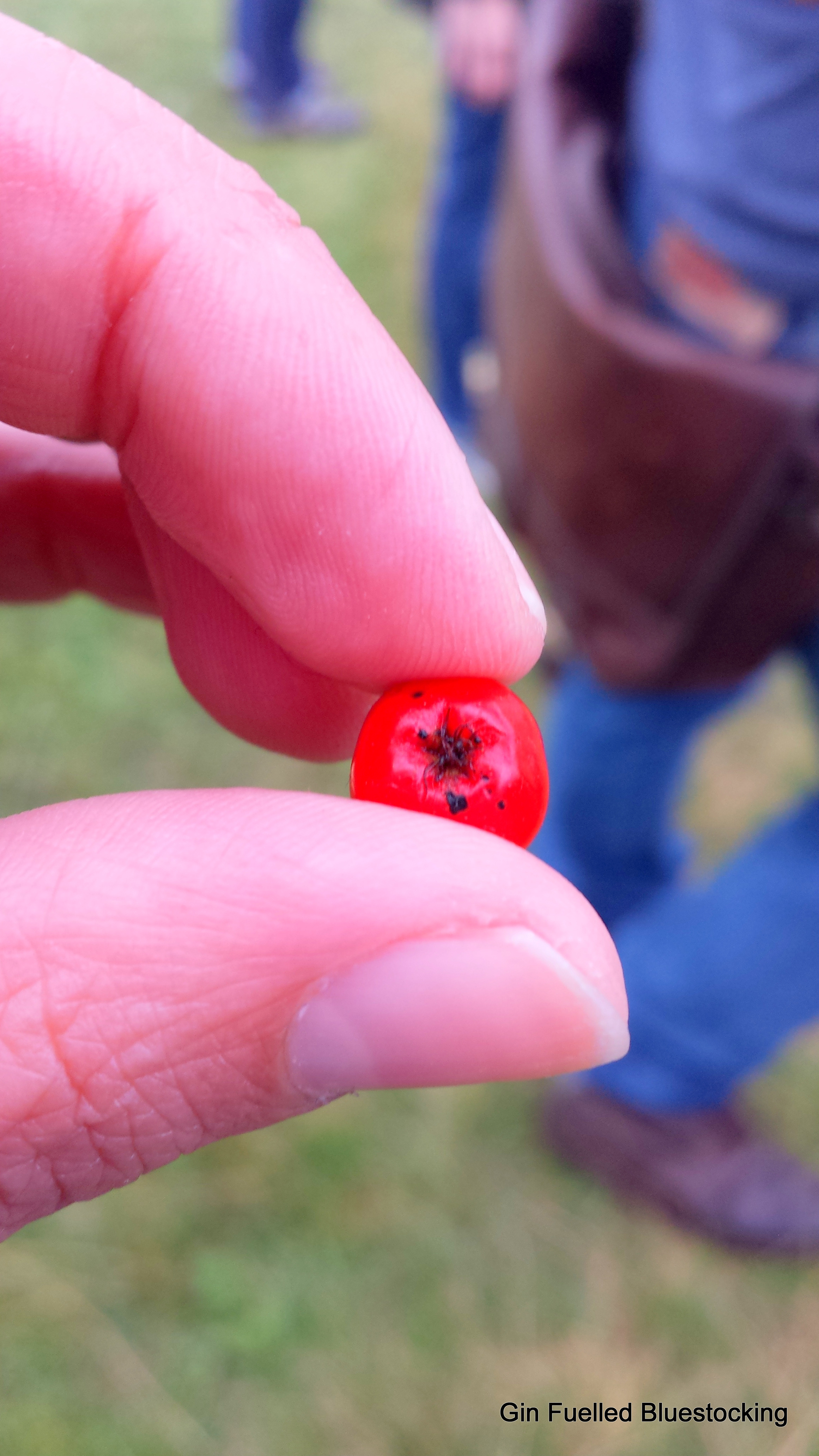
The berries have a pentangle on their base, adding to the superstition about them and inspiring both the shape of the Caorunn bottle and it’s logo.
Next up, apple – admittedly, not the coul blush apple of Scotland, we did however, have an apple tree nearby. Apples are a curious thing (I did have to do a bit of remembering back to my high school biology lessons and genetics) – if you plant an apple seed, it can become any type of apple in it’s genetic make up. Given we’ve been experimenting with apple trees for hundreds of years, that’s a lot of different options.
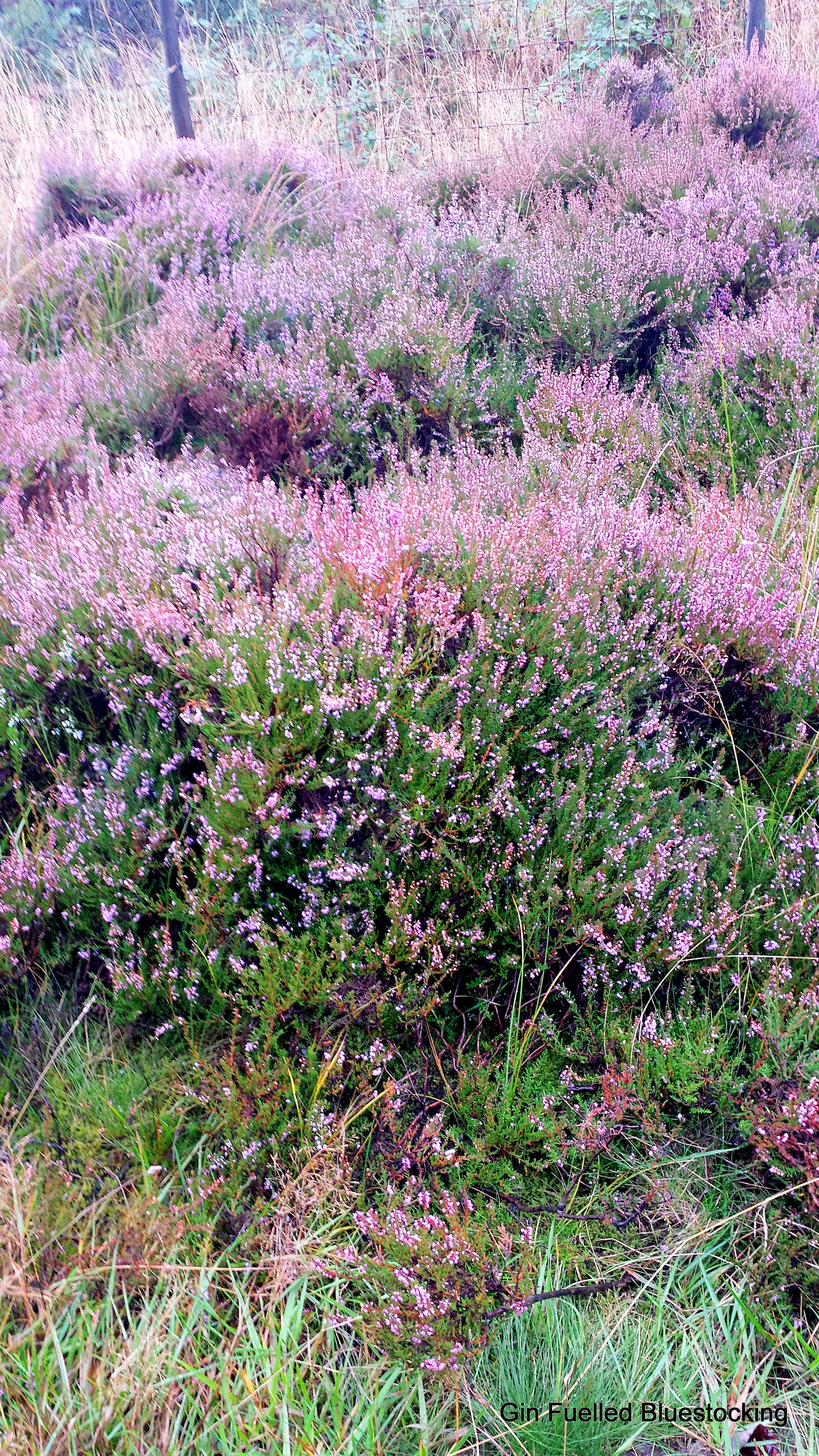
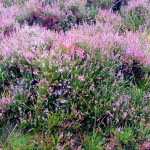
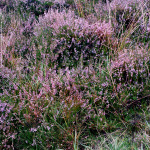
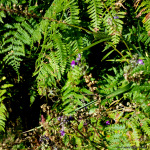
Close by was a swathe of our next botanical, heather, it’s it’s pink and purple bloom. This is common heather, or ling and too has been used in brewing for centuries, though is more tightly regulated now, given the discovery of a fungus that can occasionally grow on lower leaves, that has hallucinogenic effects.
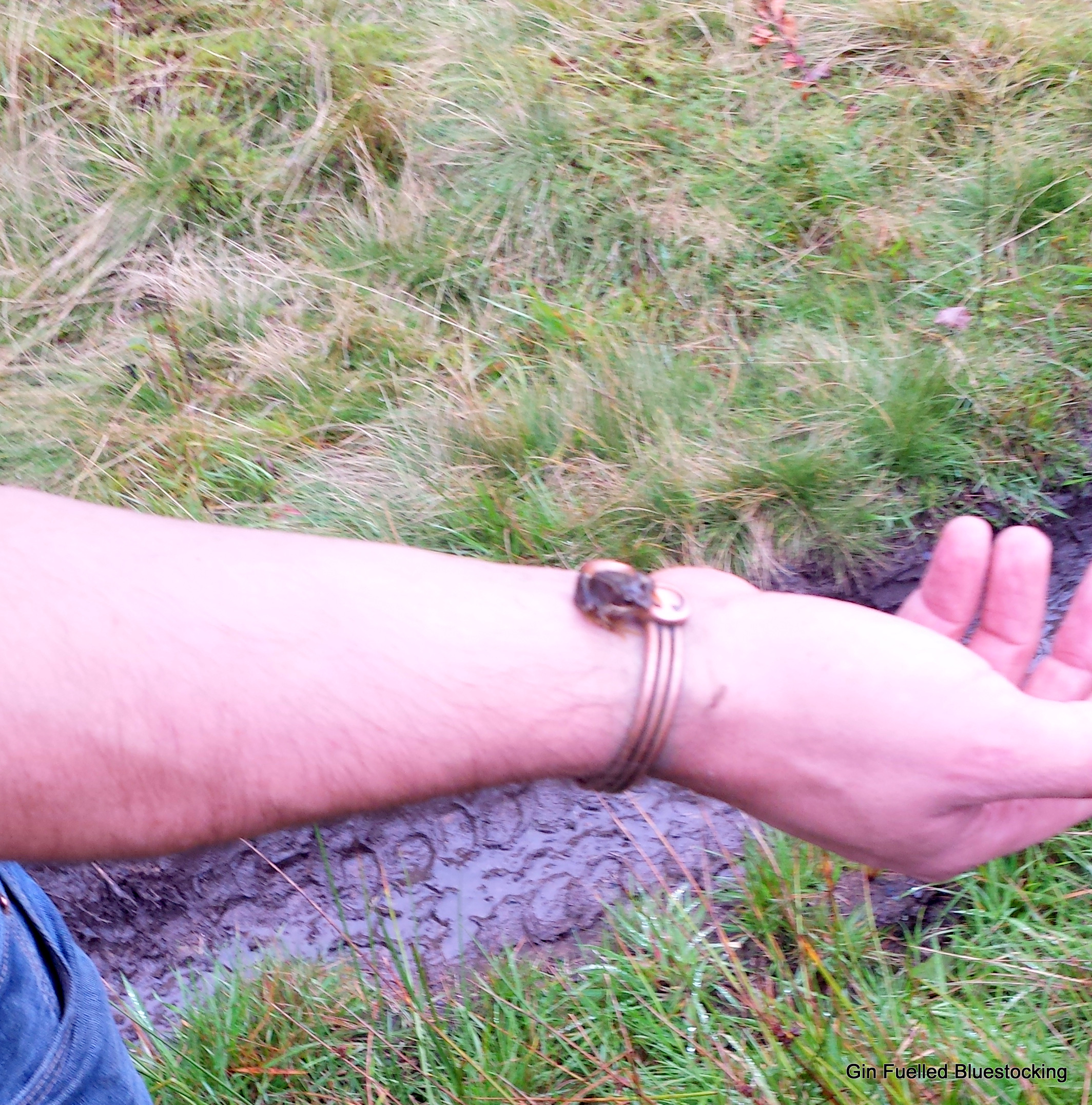
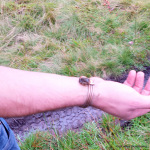
Carefully walking across mud and giant puddles, we made our way to our last botanical – bog myrtle. Collecting a frog on the way. He was obviously curious too.
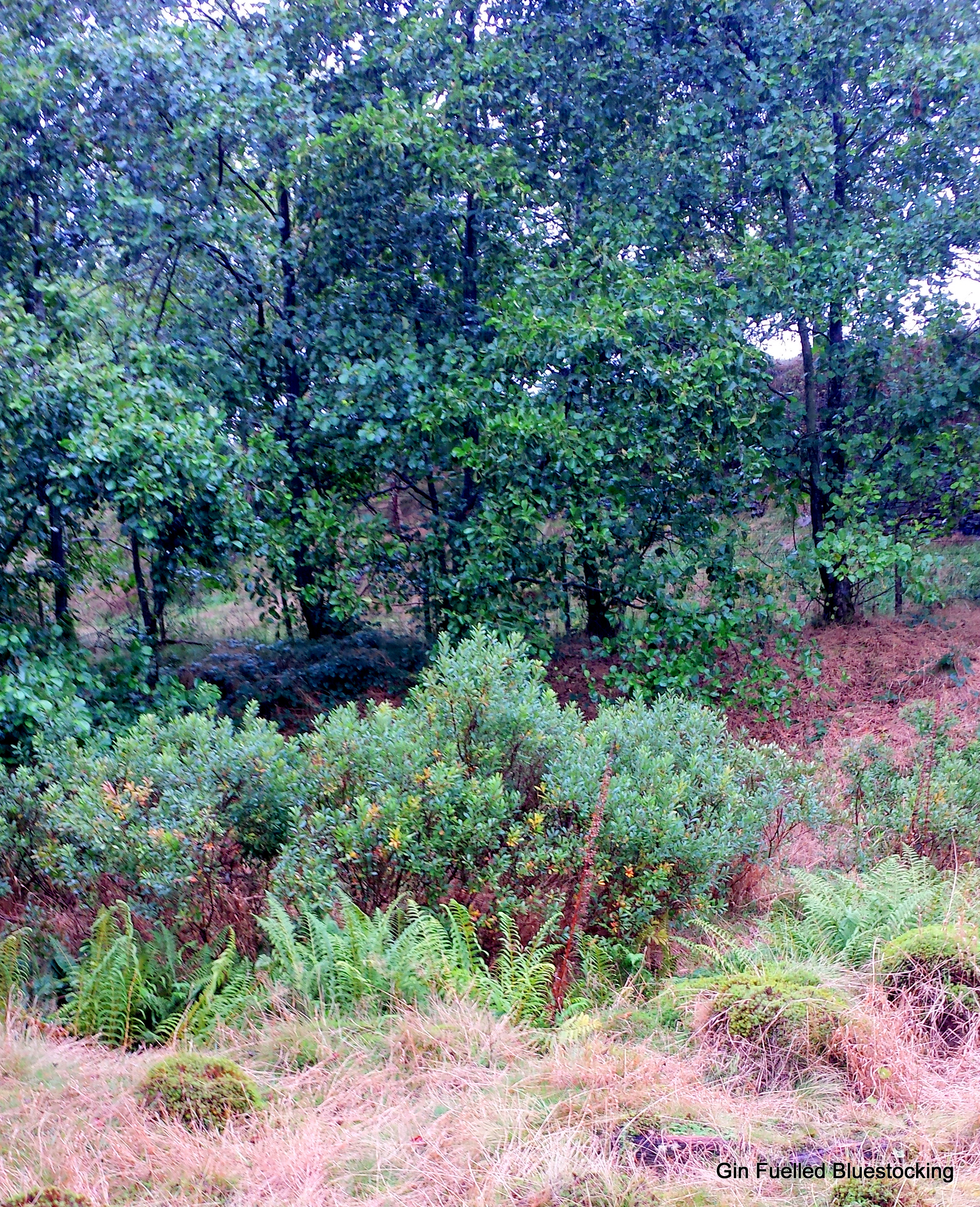
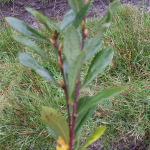
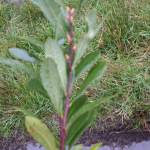
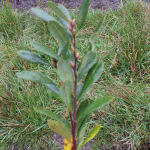
The bog myrtle is a deciduous shrub that smells delicious. It has a piney, sweet scent that’s very distinct in Caorunn. As mentioned before, it was also used to make beer before hops and is often used as an insect repellant.
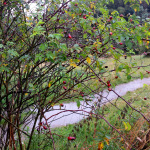
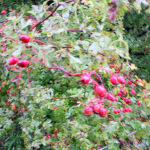
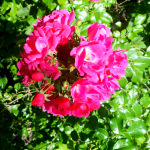
Though, by now, we’d found all our botanicals, we weren’t done – rosehips were also on the agenda as were sloes.
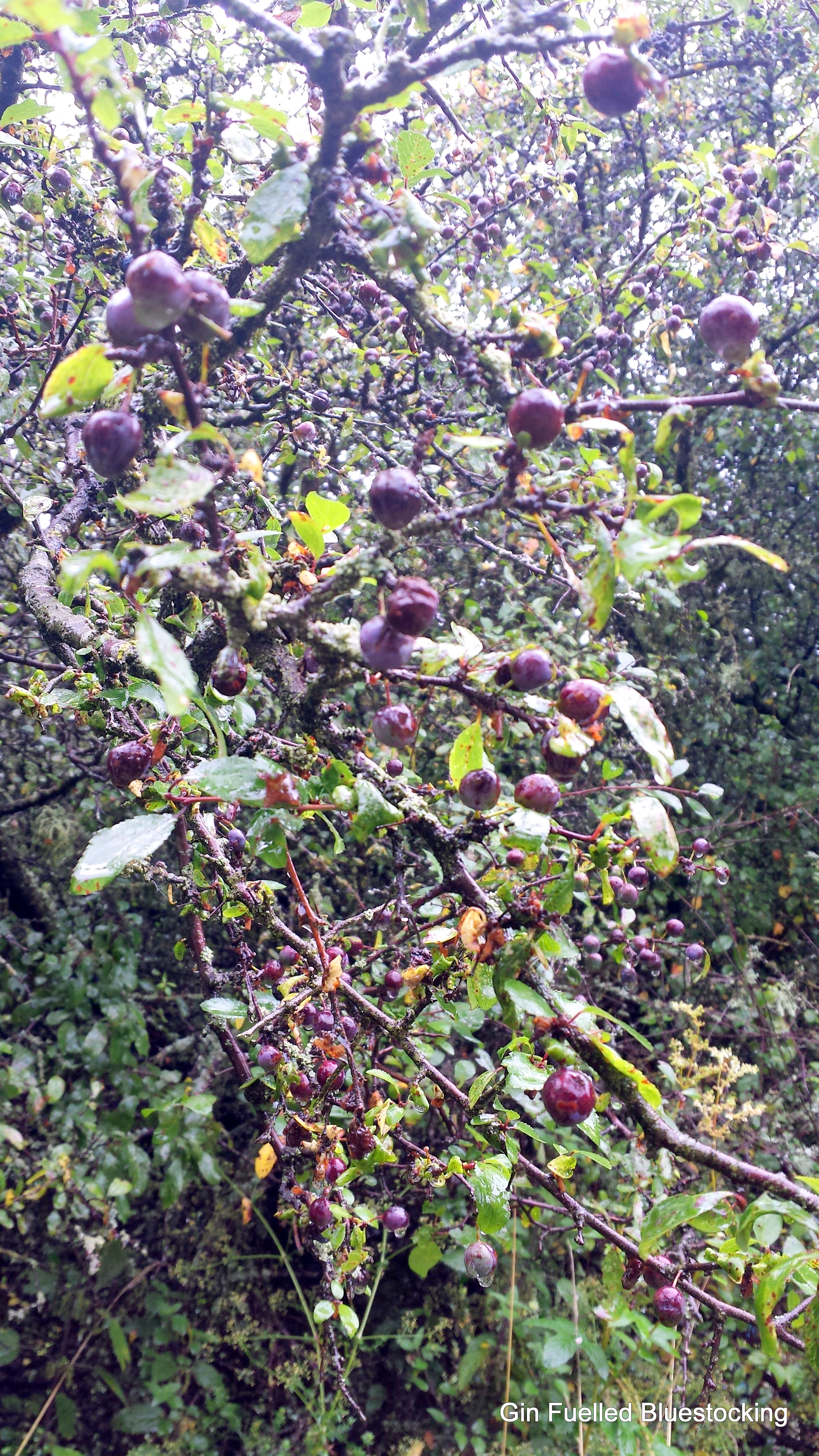
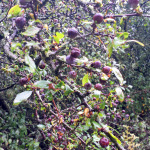
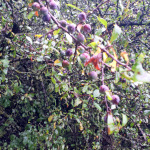
These little fat berries, on their own taste plummy before drying out your palate. However, pop purple ripe sloes into gin with a good dose of sugar and you have a winter favourite.
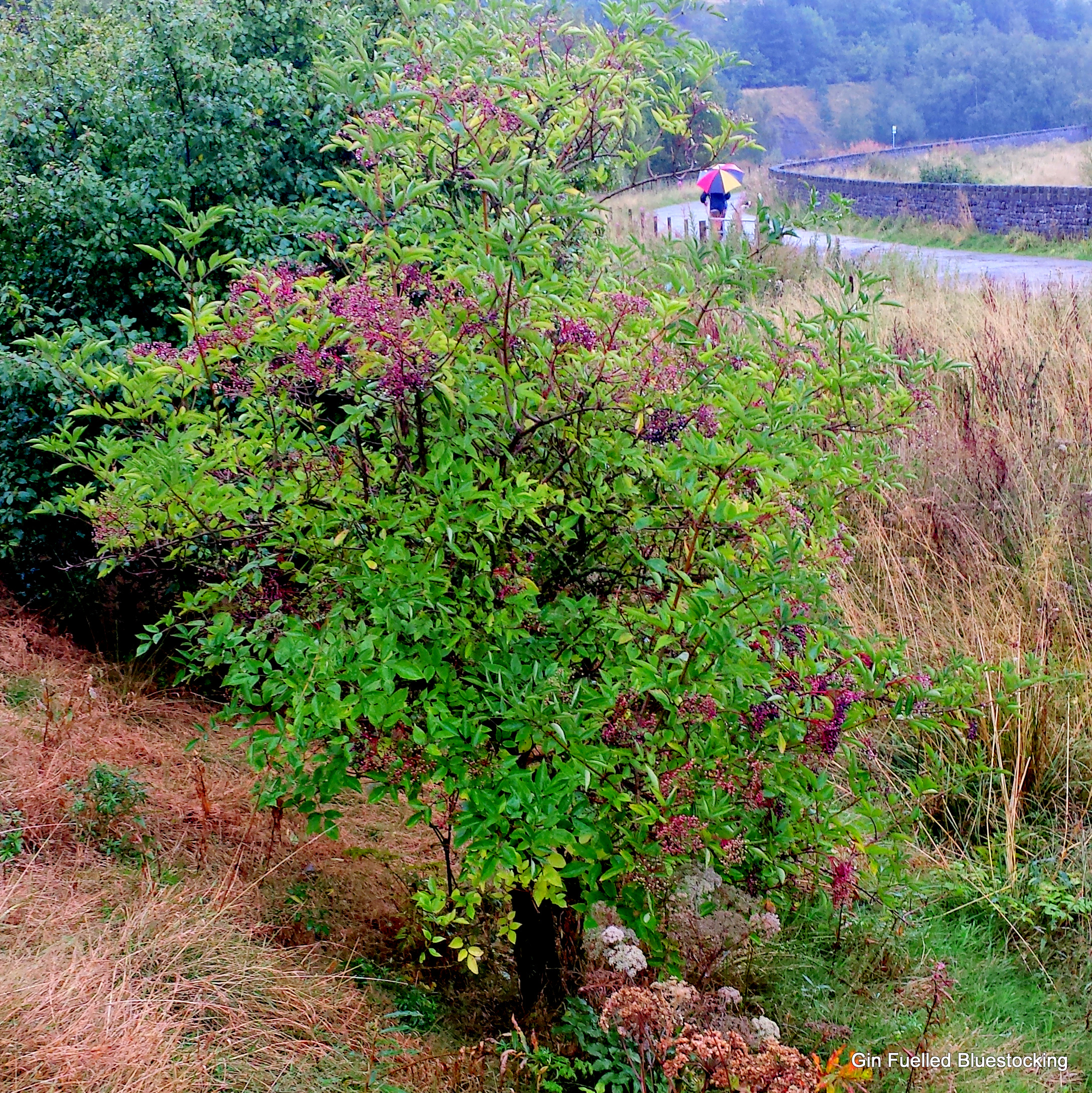
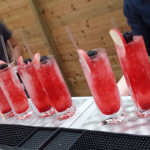
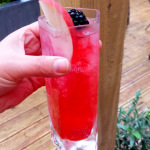
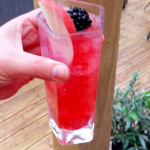
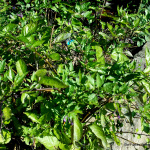
David also pointed out a rather healthy elderberry tree, the berries of which can been cooked with sugar and water, strained and make a delicious syrup, which brings us perfectly to our trip back into Manchester, for lunch and cocktails. And the chance to dry off a little.
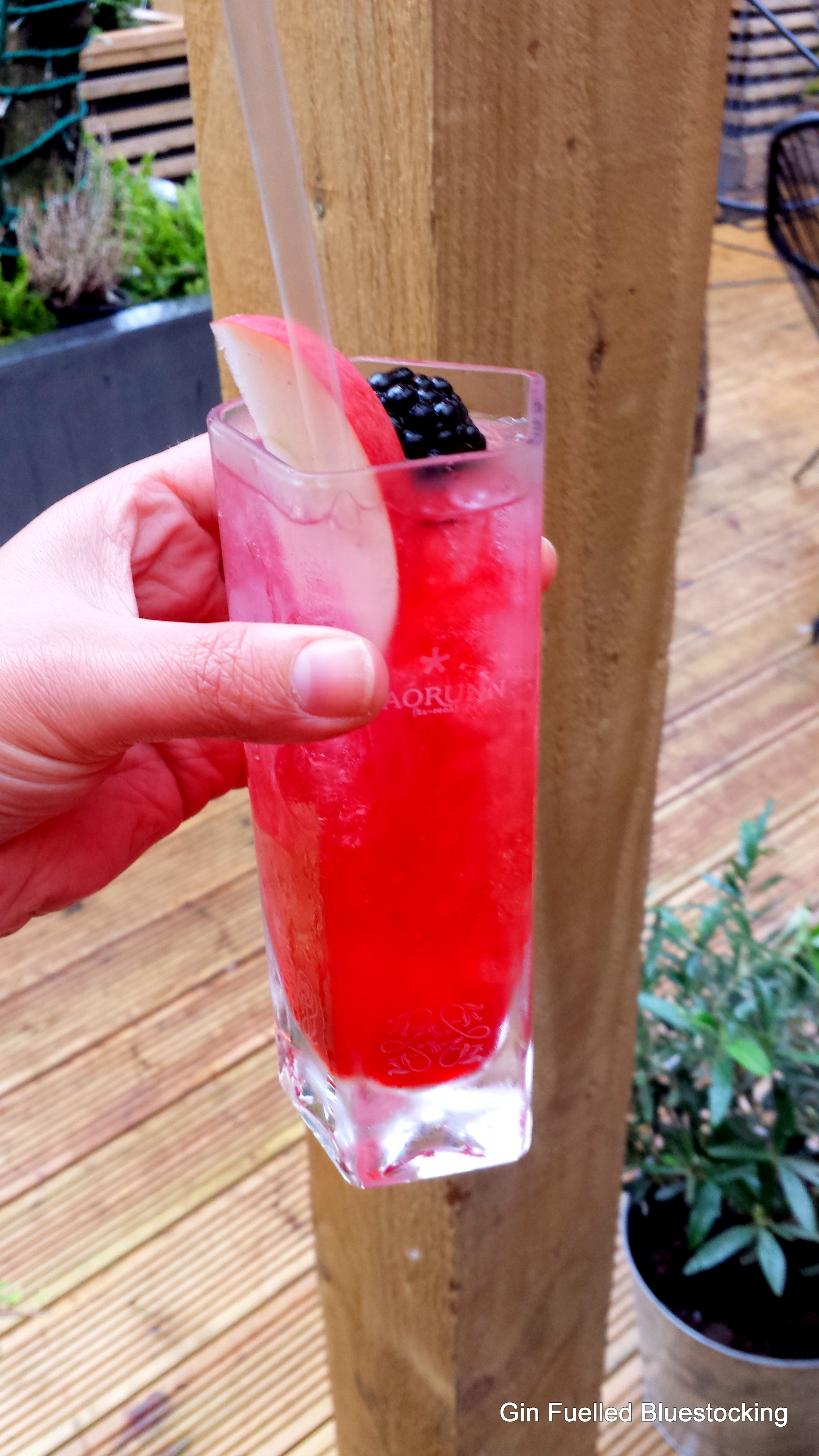
What a delicious way to end the day.
However, my foraging adventure hasn’t ended there. I’ve kind of got the bug. I used to go picking things like blackberries and elderflower, elderberries and well, whatever we could get our hands on that in my dad’s eyes either went well in crumble, or in wine.
So I know well what elderberry looks like and now I know I can use rowan berry, when I went out for Sunday’s run, I kept my eyes peeled.
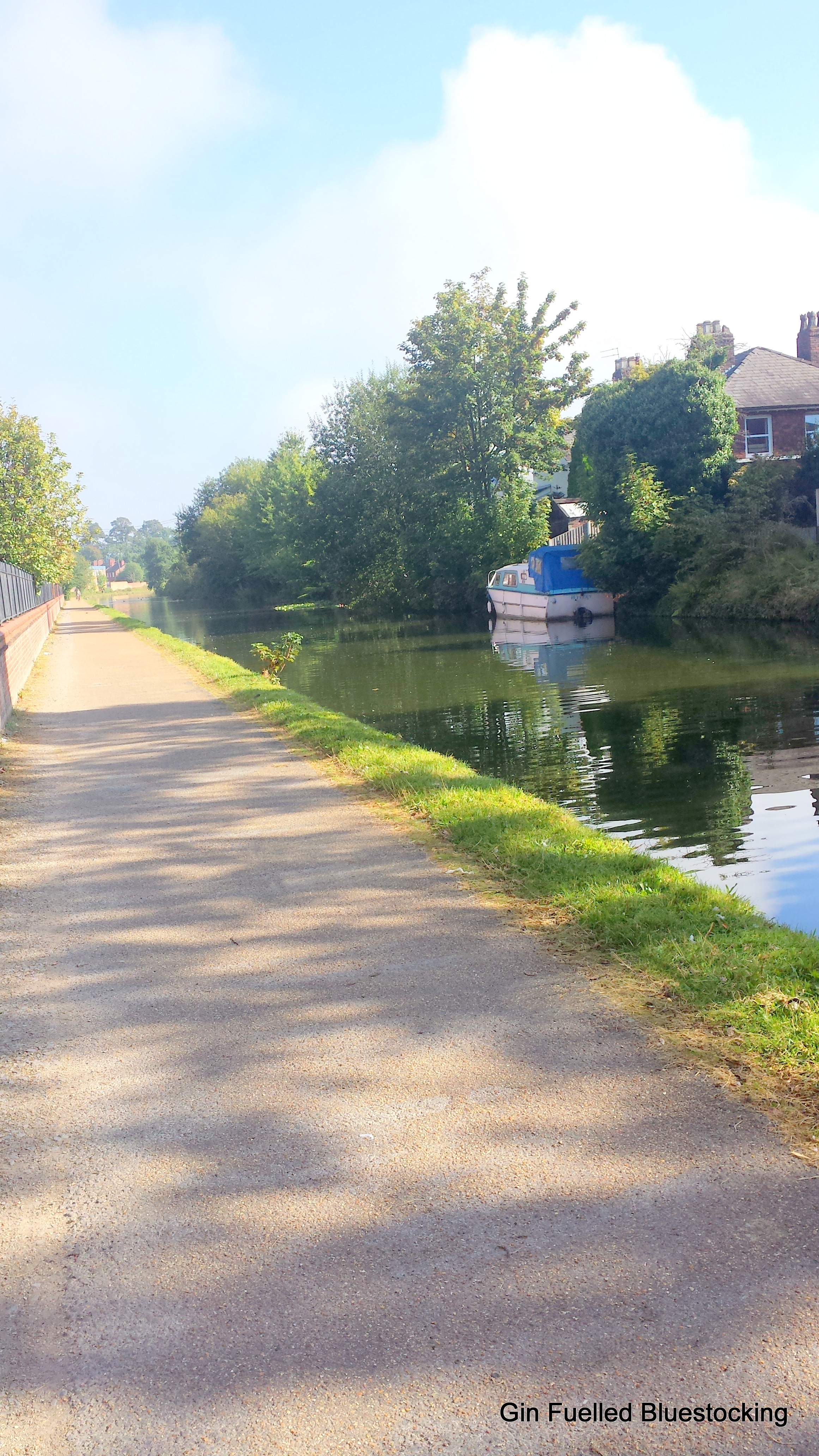
It turns out that Stretford is a bit of a gold mine. Brambles, elder, rosehips, lots and lots of rowan, perfect!
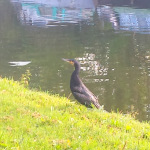
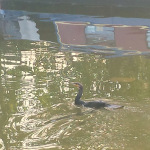
I even spotted what I think is a cormorant. On the canal bank.
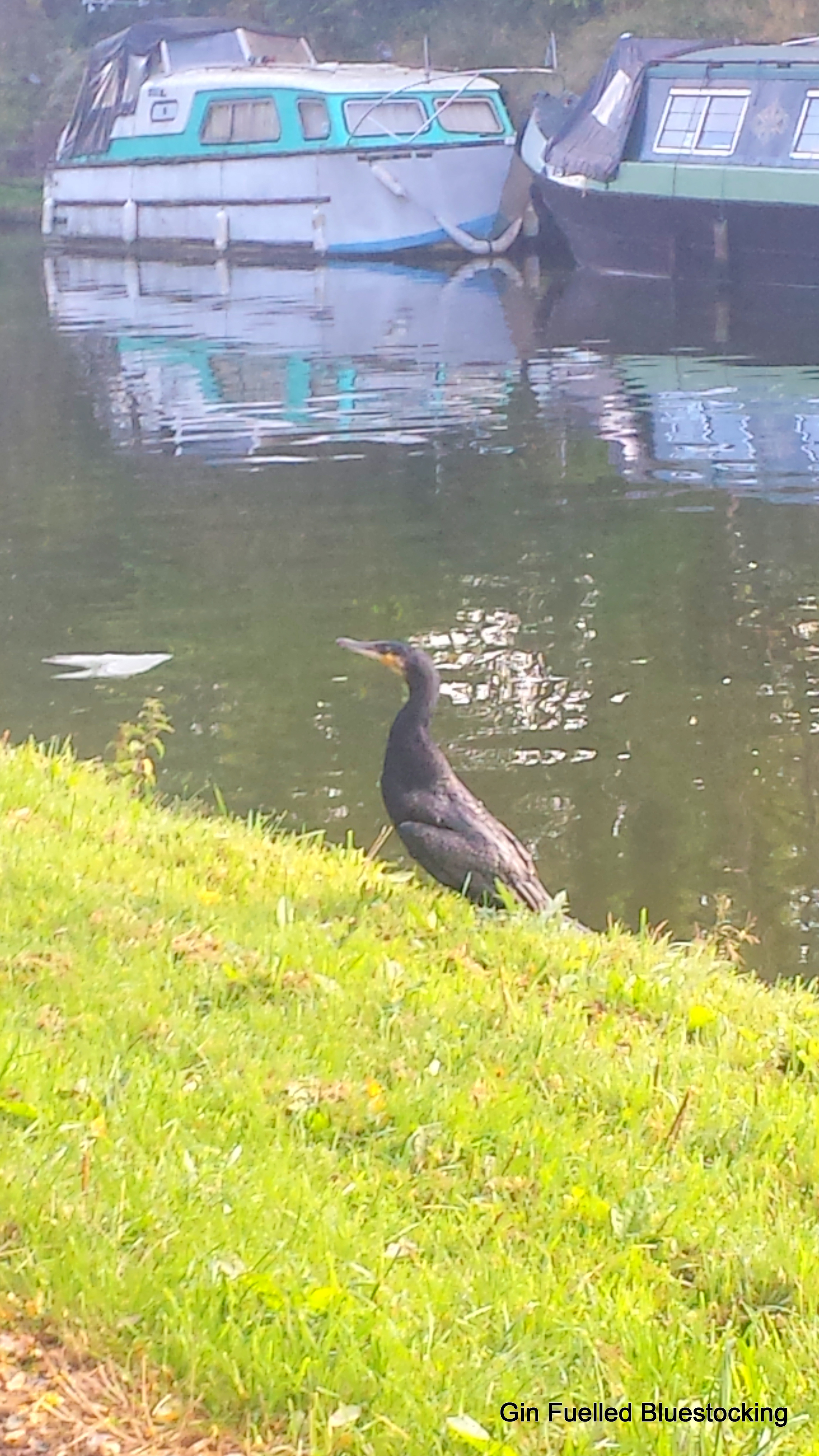
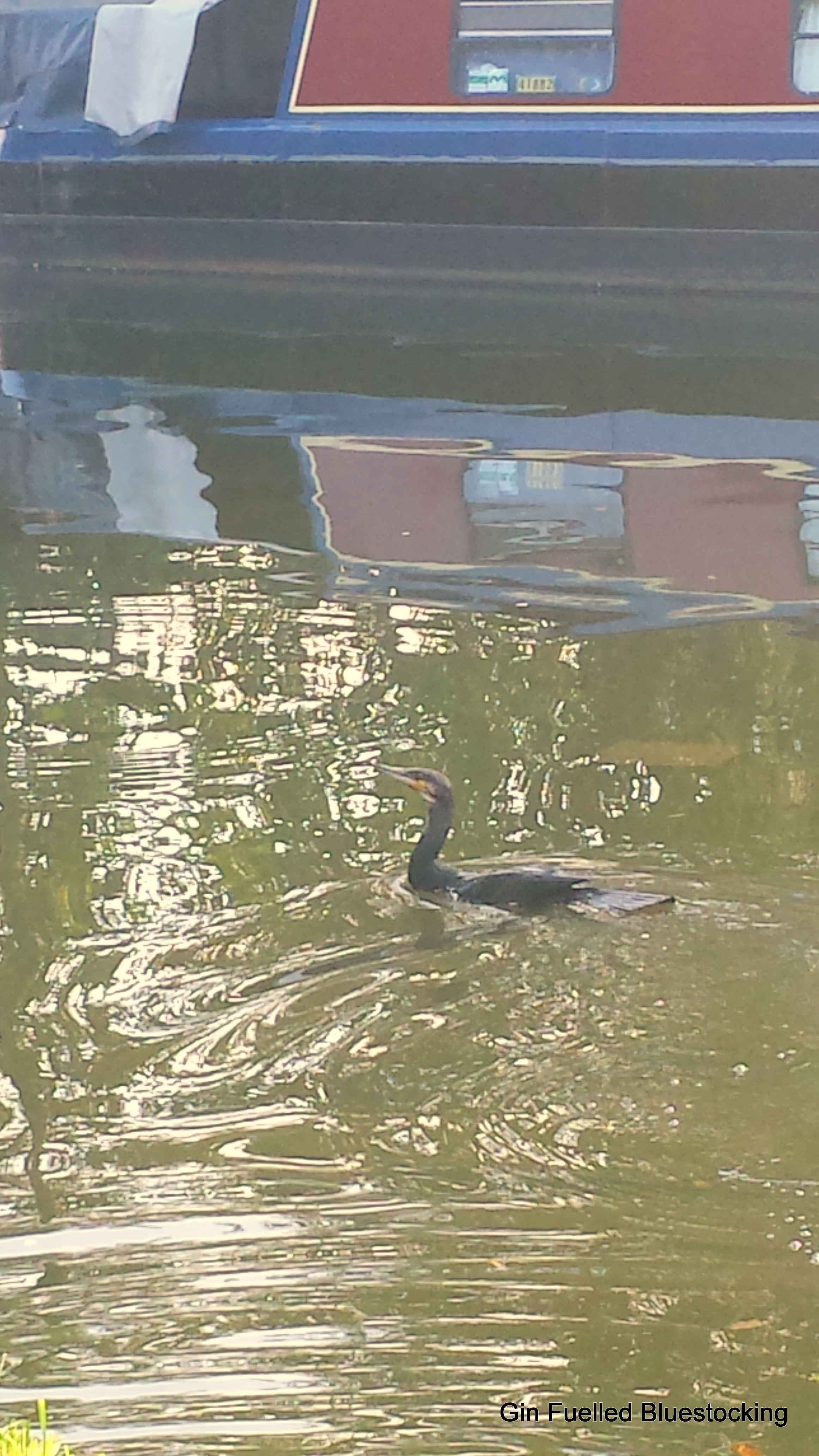
Not where I’d generally expect to find a cormorant, but he seemed quite a happy chappy, only diving off into the water when I got a little too close for his comfort.
On my way into Sale later that day, I even spotted elderberries next to the tram stop. It’s that easy.
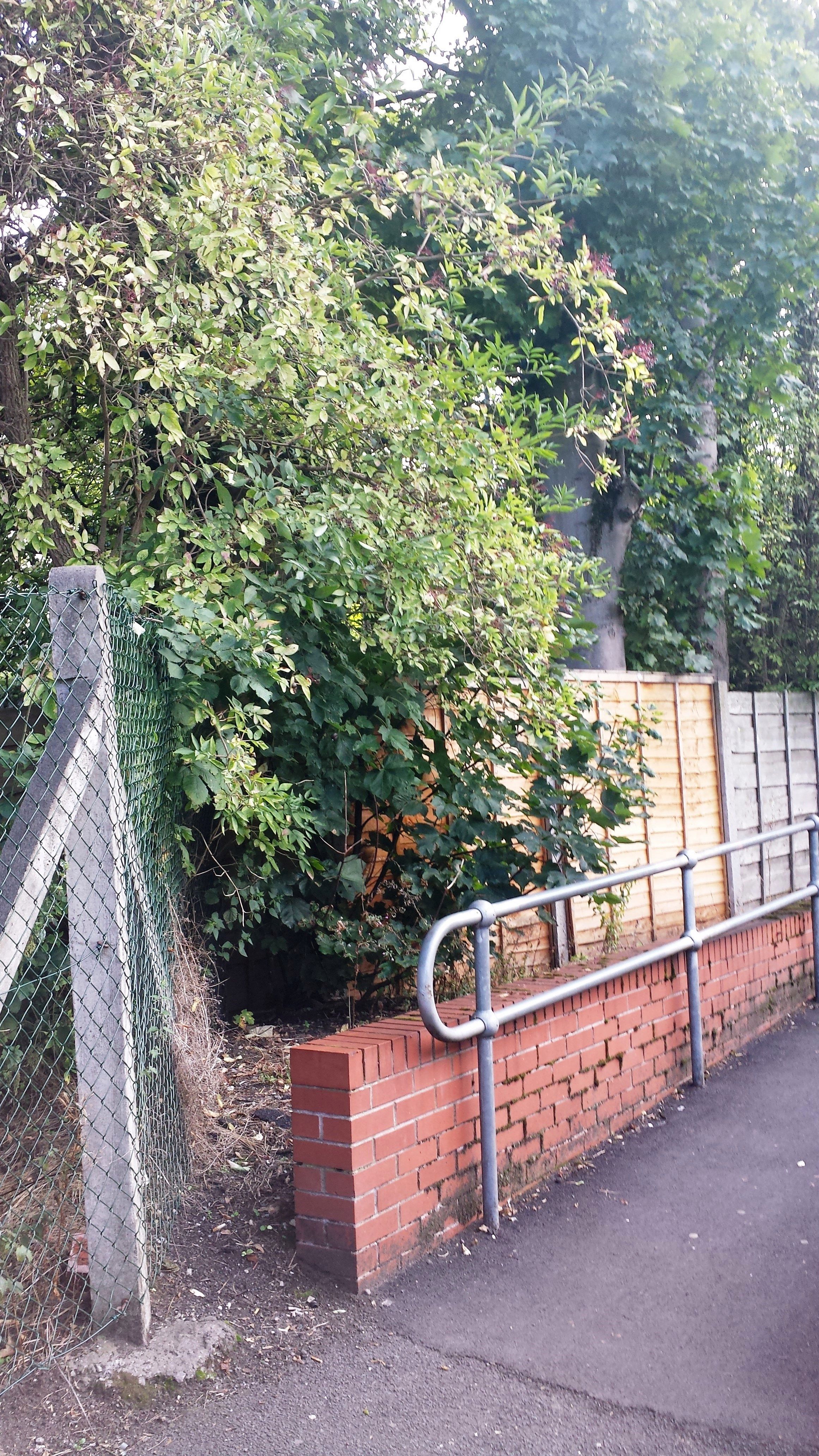
Admittedly, a word of caution, if you are unsure of something, do your research before picking it. These I know are ok, inedible raw, but delicious cooked and made into a syrup or jelly. And I wouldn’t dream of hunting up other things such as mushrooms without expert guidance. I’ve already asked and the only ones I’ve found so far are completely inedible.
But, there is a world of free food out there. If you know where to look.
I’m enjoying a taster.







2 thoughts on “Forage to Glass with Caorunn Gin”