
Following on from my first night in Normandy, it was time for part two.
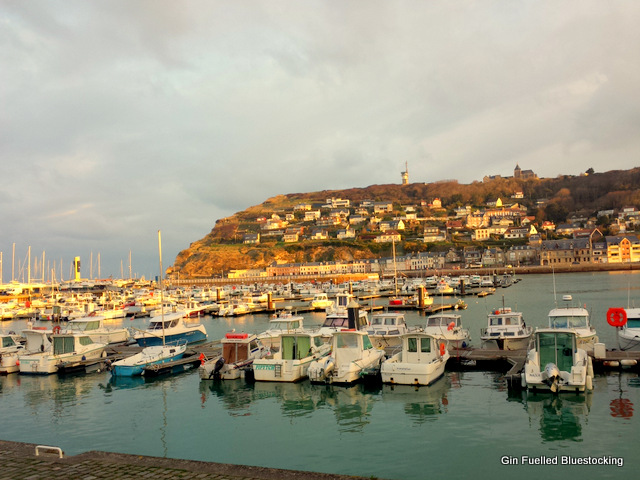
The morning dawned like this.
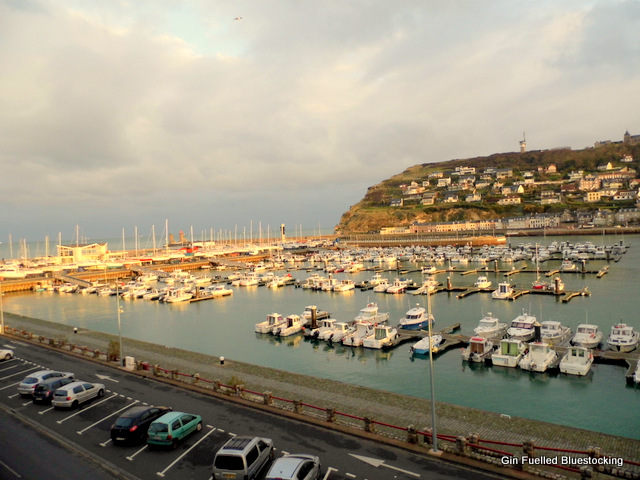
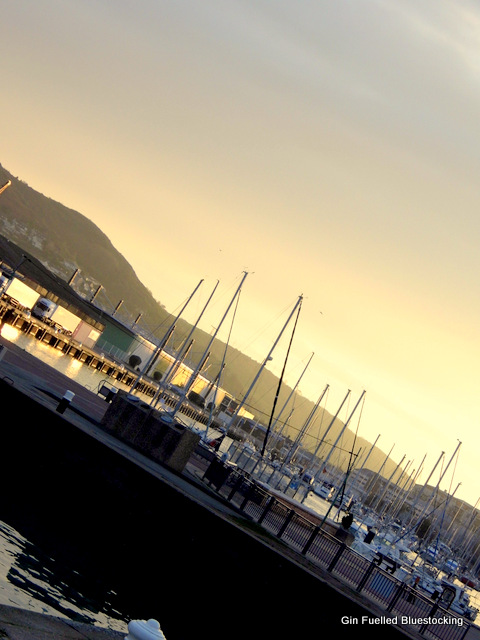
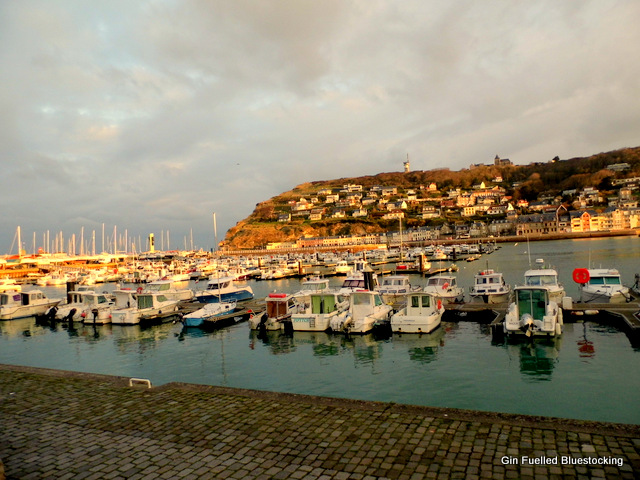
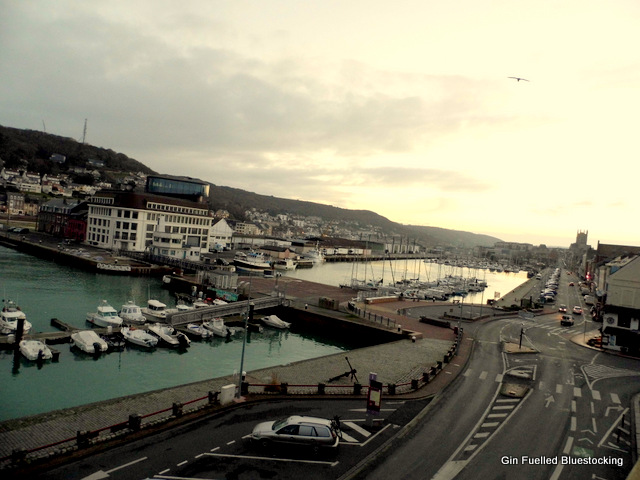
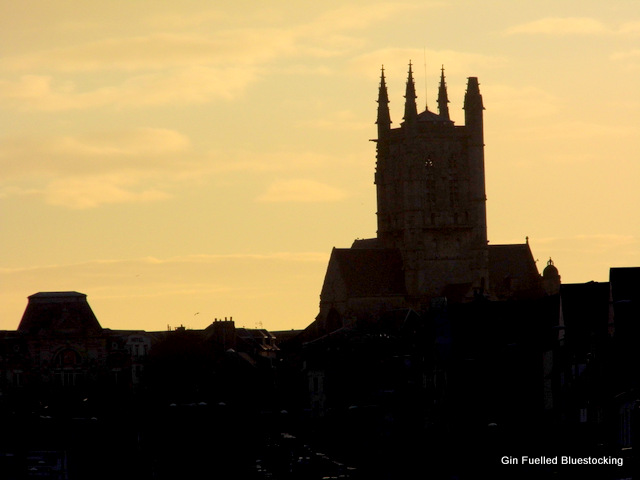
Away from the sea, Fecamp itself.
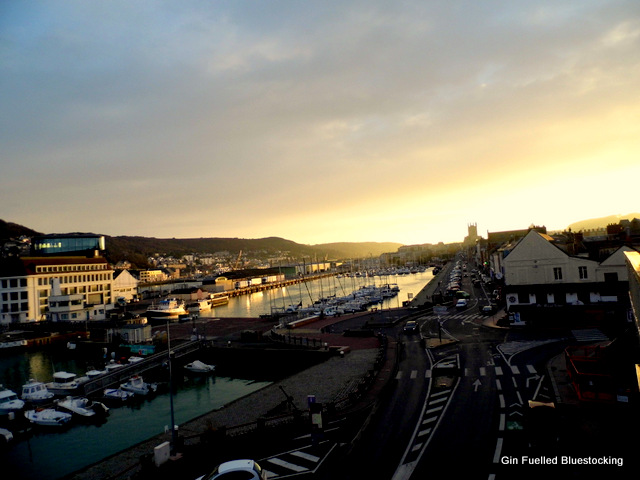
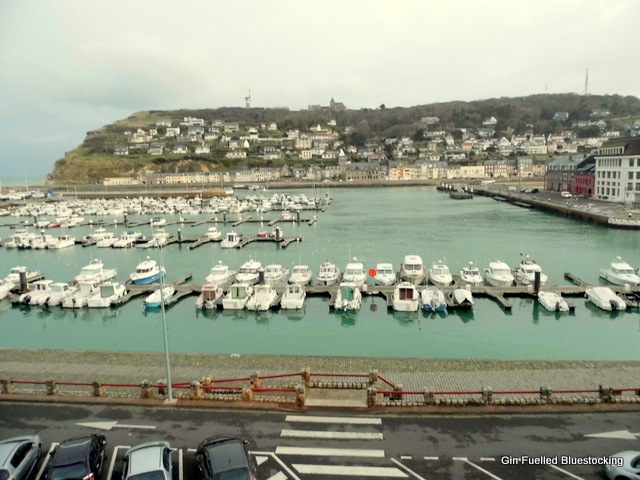
Yes, that was the view from my hotel balcony. A little closer perhaps?
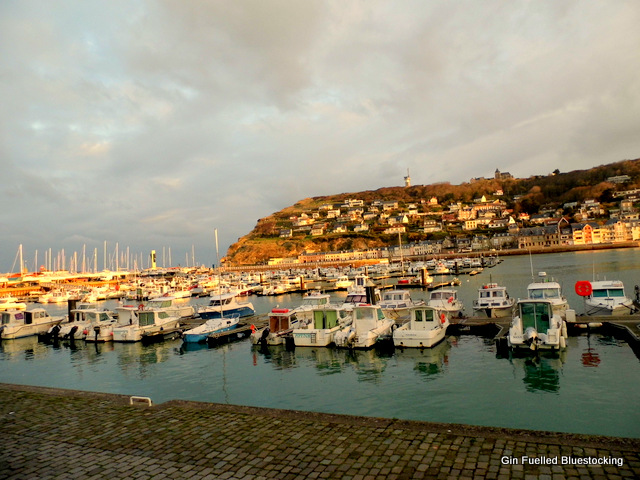
No wonder I was in love. Fecamp is beautiful.
The night before, we’d dined with our hosts, typically after a long day’s journey and despite trying to charge my phone, the battery had died before dinner. So whilst our meal had been delightful from starter, to cheese and into the St Honore torte as dessert, topped with profiteroles, macarons, cream whipped with Benedictine and shortbread.
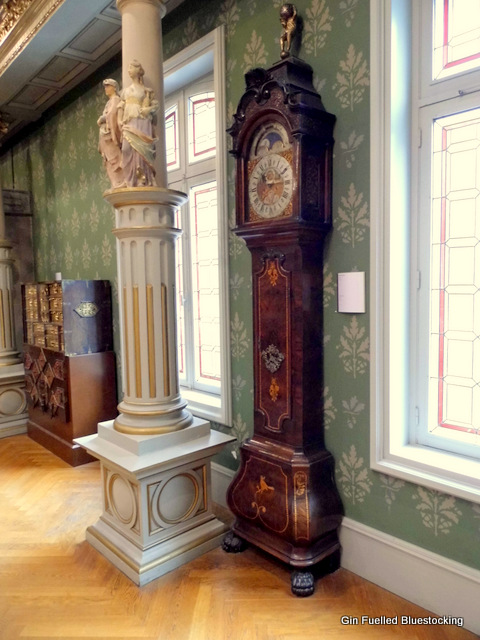
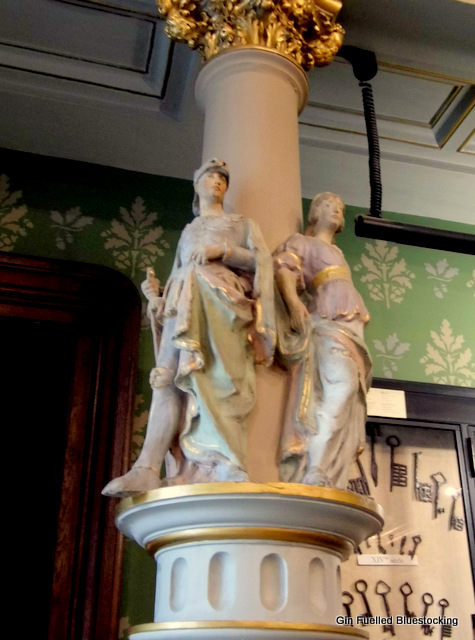
I’m sorry. I really am. Instead, here are some pictures of where we dined.

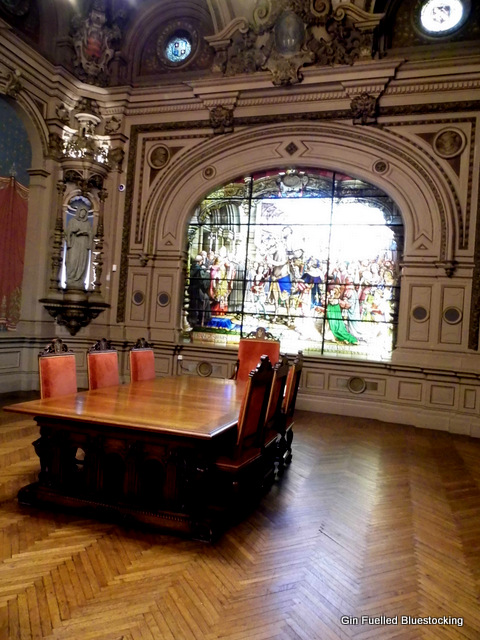
Some of those statues were a little grumpy – but then they didn’t have French bread, French cheese and St Honore torte. Sorry chaps. Our night ended with more cocktails, including the Benedictine Champagne cocktail, the Benediction, before we headed back to the hotel where the bar was propped up a little til 2am.
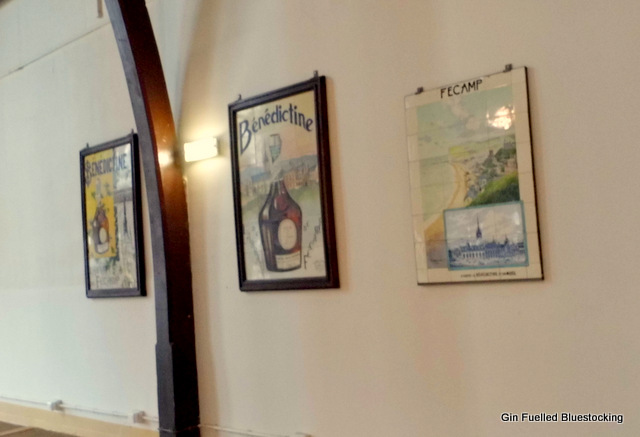
So after an early (ish) night for me – my London fun had caught up with me – we all gathered in the hotel bar for breakfast and to check out. Today was going to be another long day – first up Palais Benedictine, in the daylight, for a full tour and reintroduction to the story of Benedictine DOM.
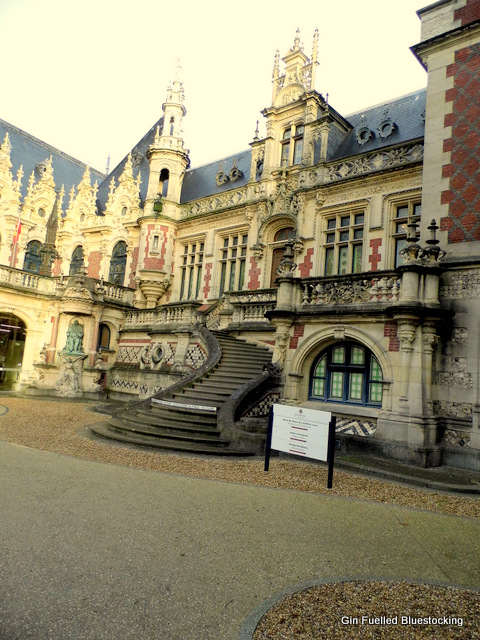
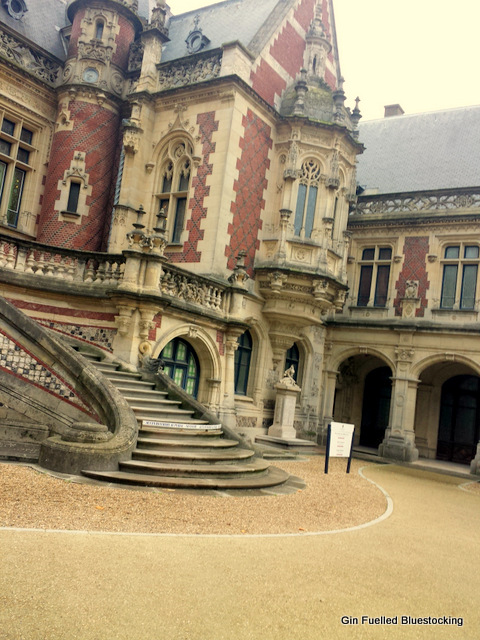
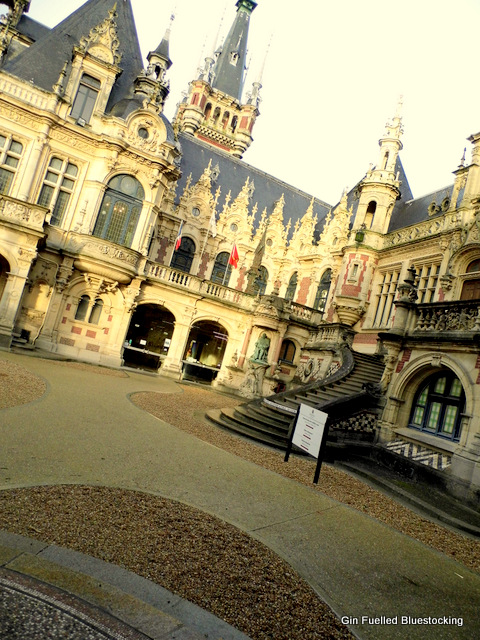
My god it’s beautiful. Just stunning.

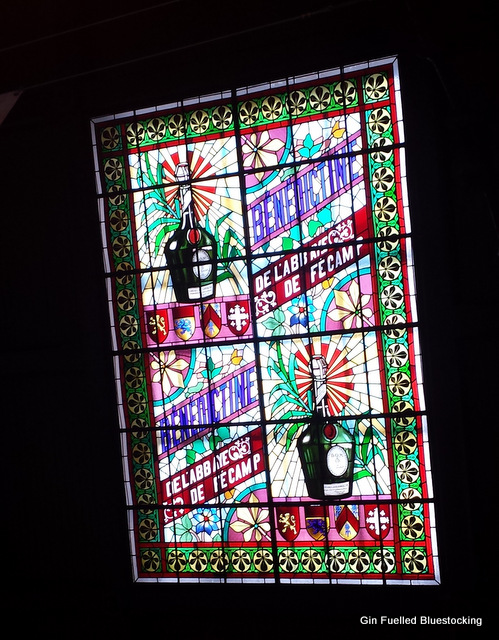
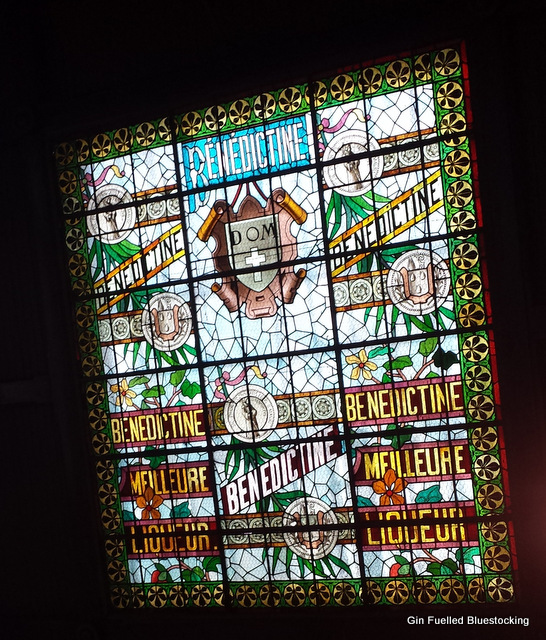
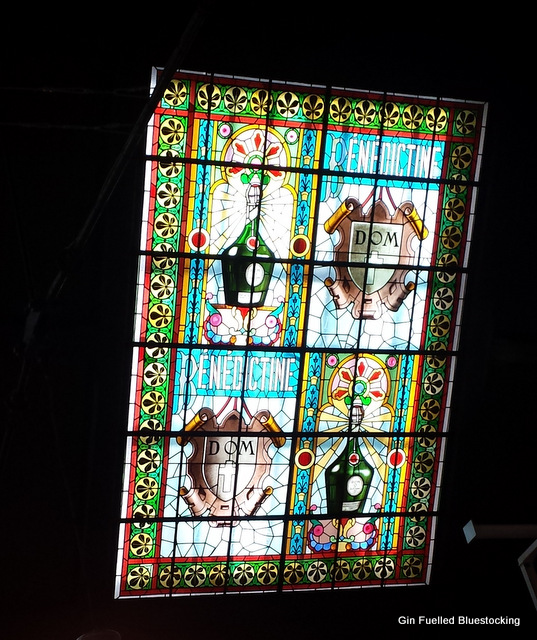
The Palais is the home of Benedictine – where it’s made, where it’s history is housed, where it is celebrated. It’s easy to see why, when the Palais was used as a field hospital in WWI, the lads of the Duke of Lancaster’s Regiment fell in love with both Benedictine and the Palais. Burnley Miners Club is still now the biggest single consumer of Benedictine outside France.
With a distinct case of the sniffles by this point of our trip, and a definite craving for Bene ‘n’ hot, I could see why. 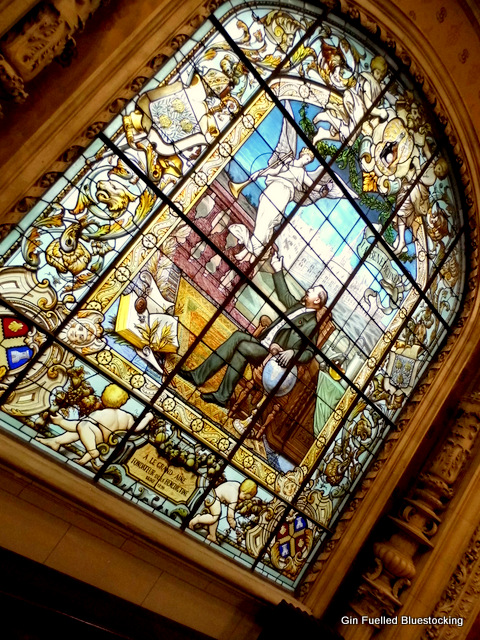
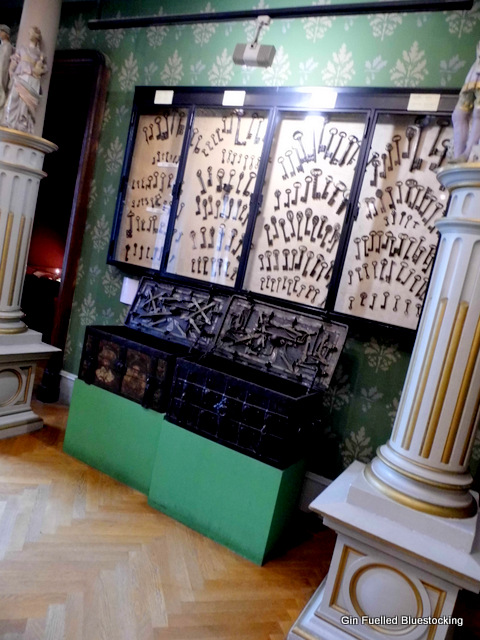
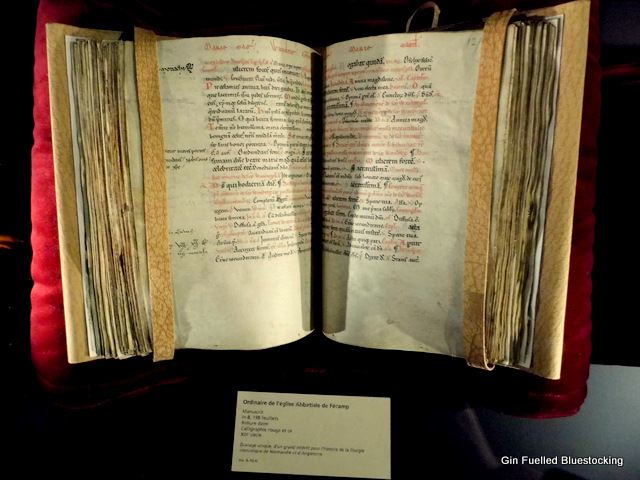
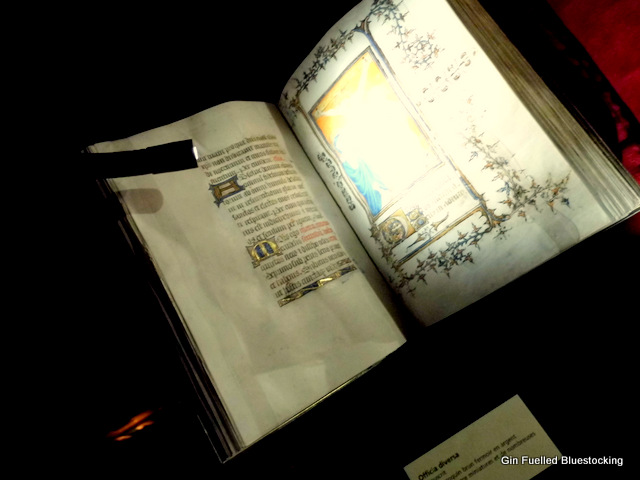
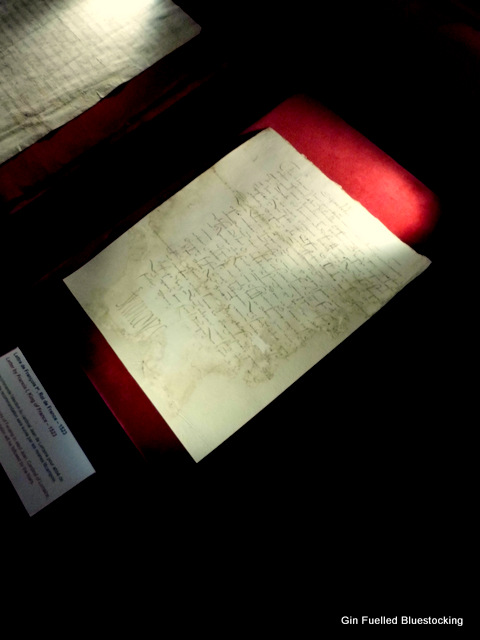
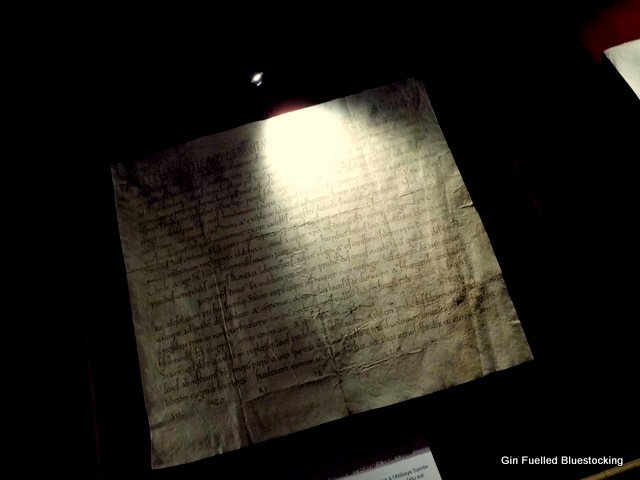
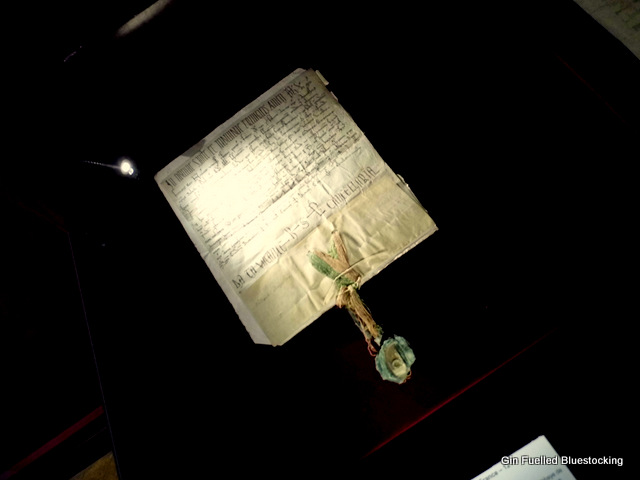
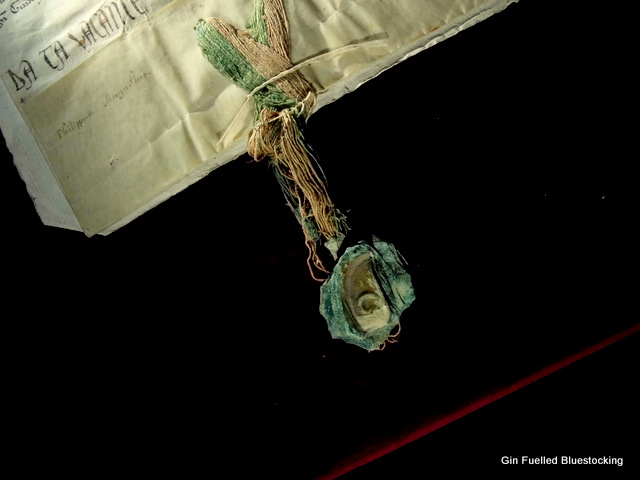
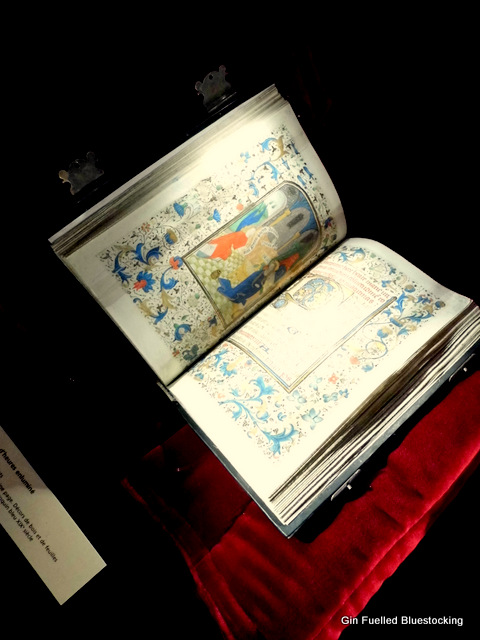
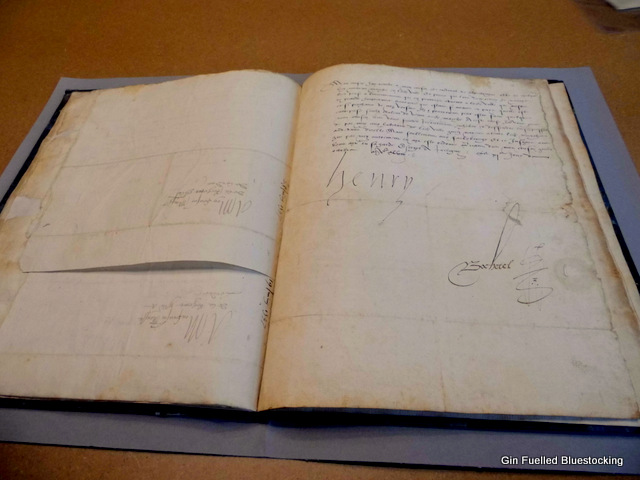
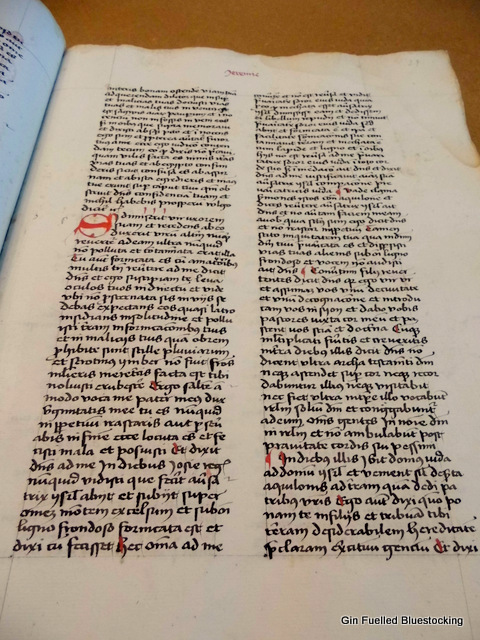
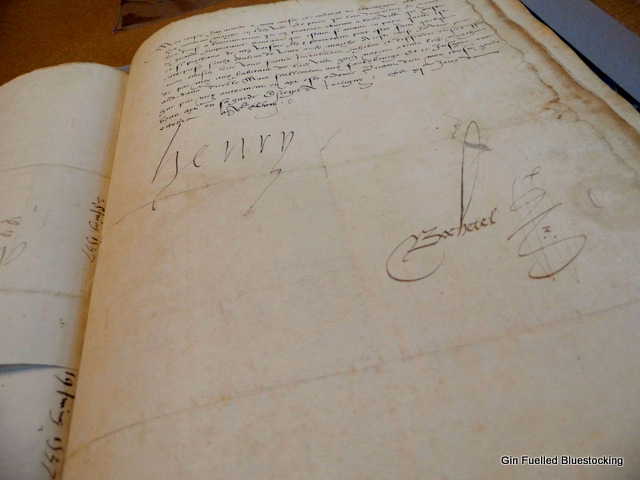
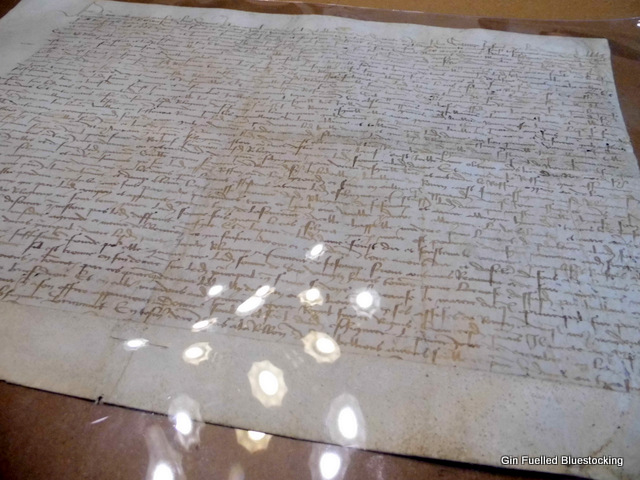
On hand for us, Sebastien, the archivist of the Palais to take us through it’s history, the history of Fecamp and the Abbey and show us some of the incredible historical documents on site. I must admit, I’m glad my mum can’t the pictures of my fingers on a Medieval manuscript, or a letter from a French King with historical importance. Sorry mum.
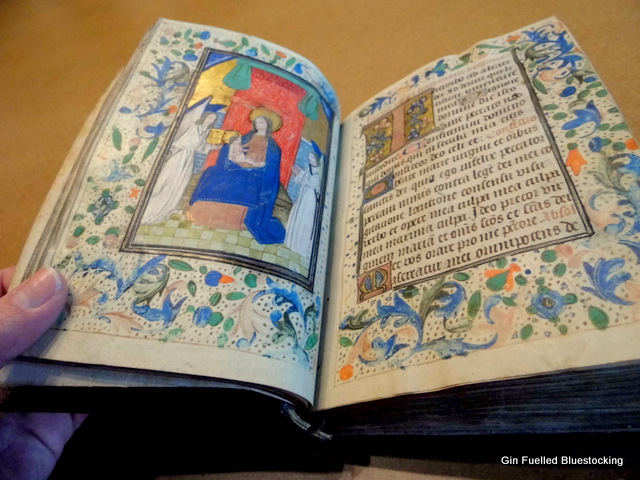
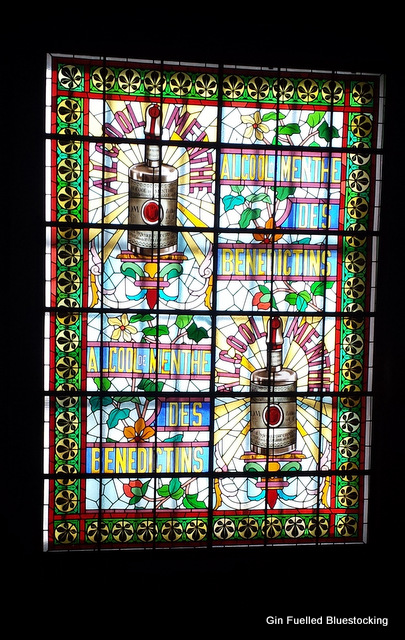
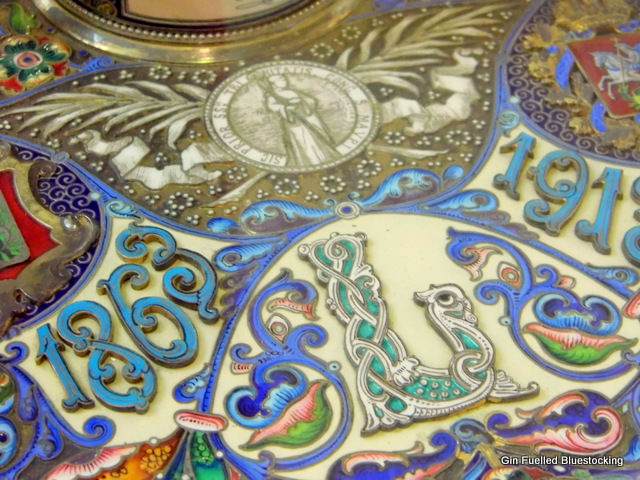
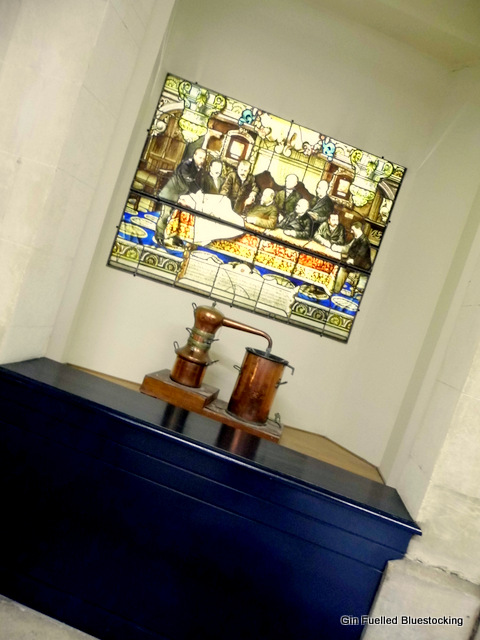
In 1863 Alexandre Le Grand discovered a recipe, for an elixir – a liqueur which would eventually after various attempts at recreation, would become Benedictine. But the history of this liquid goes back further, to 1510 and the Benedictine Abbey based at Fecamp.
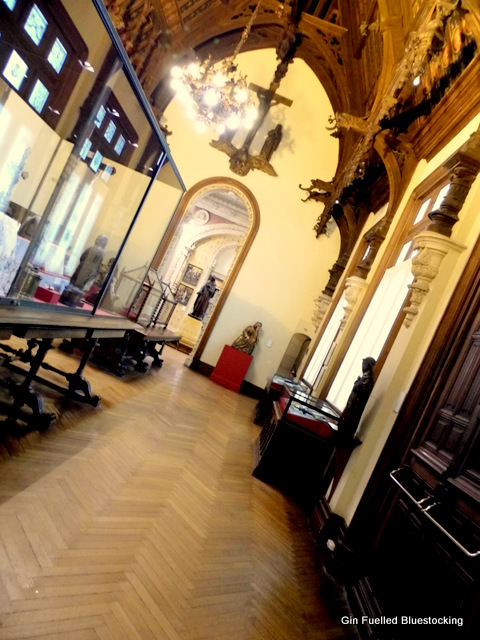
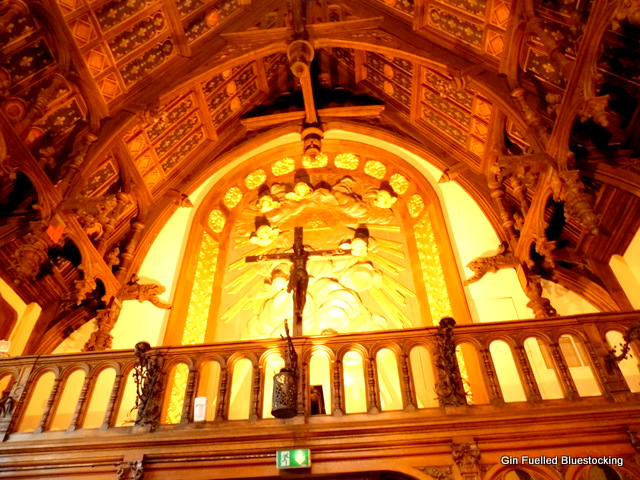
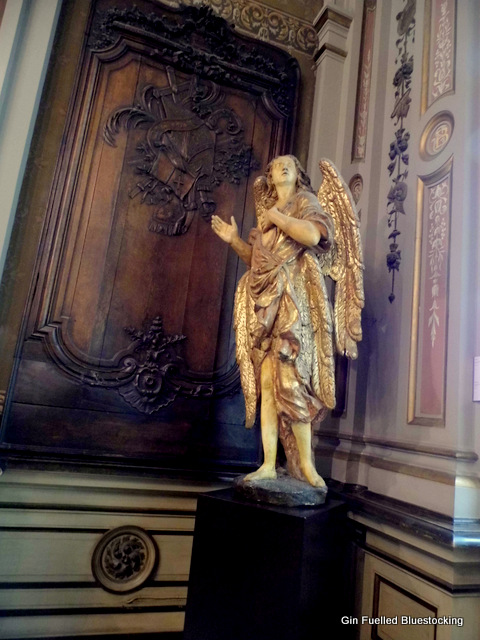
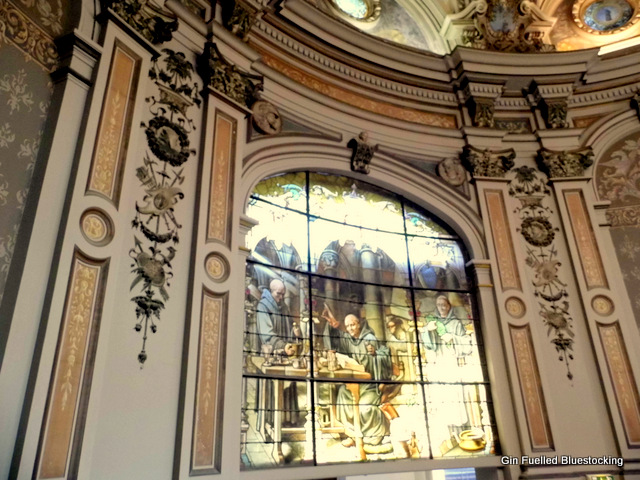
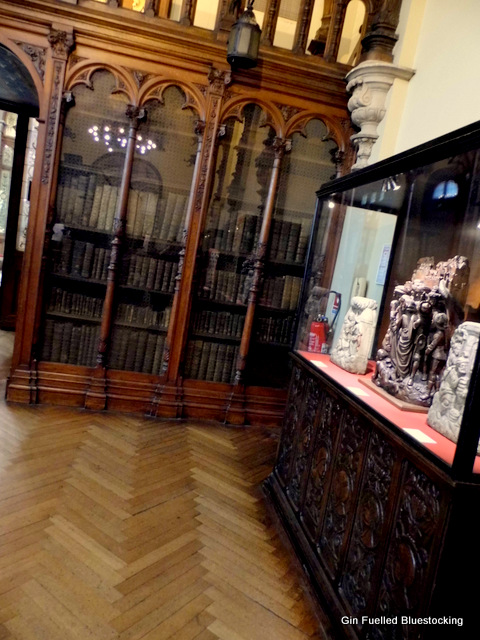
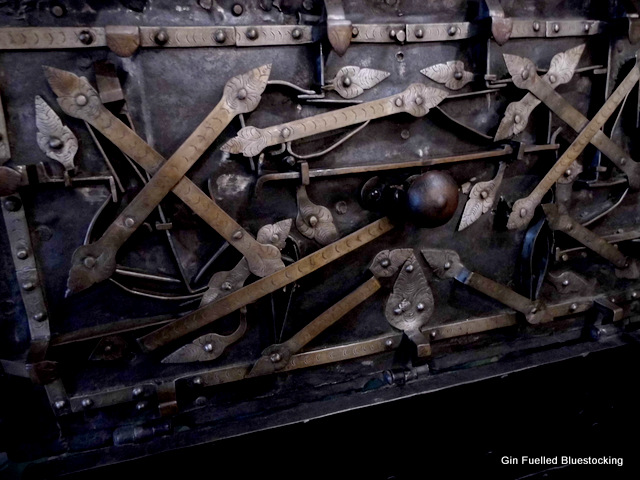
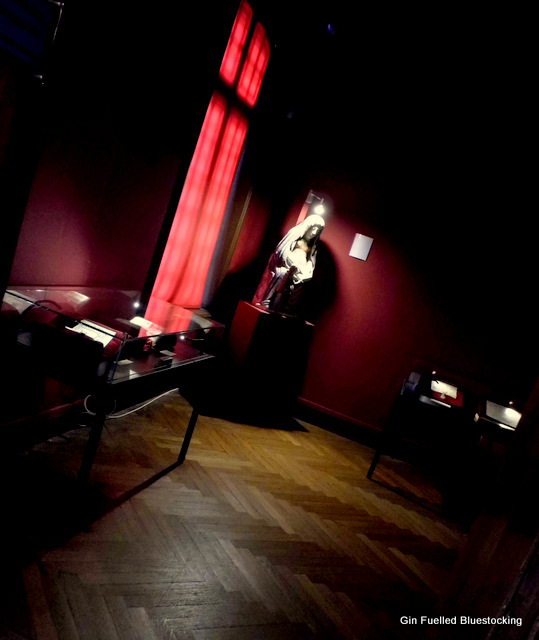
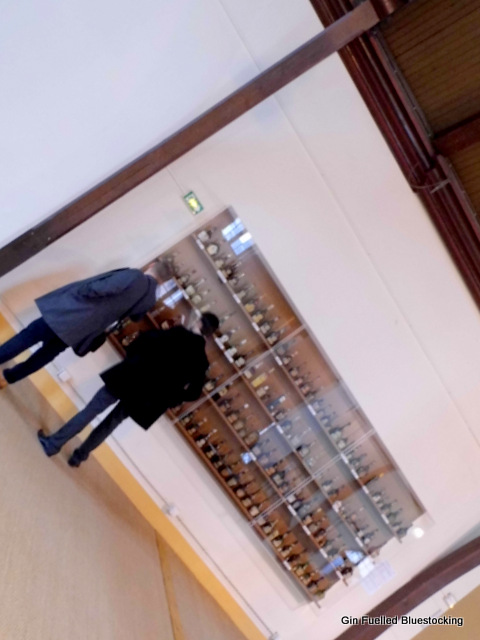
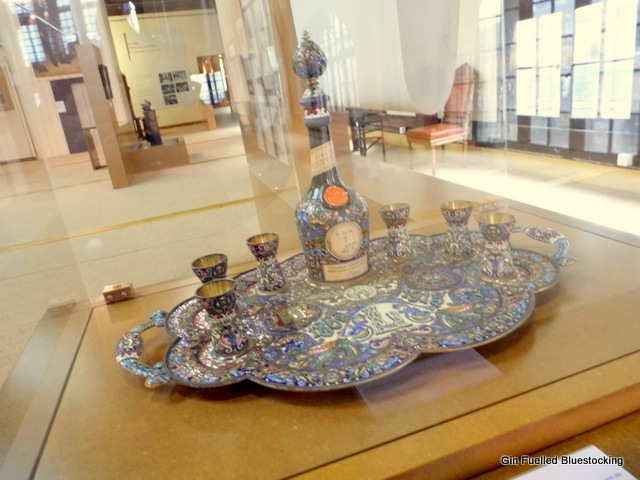
Though the recipe for Benedictine dates to 1510, there have been foundations of religious buildings on the site of the Abbaye de la Trinité de Fécamp since the 7th century. The Palais houses a vast collection of relics and manuscripts relating to the Abbey, as it’s own history is so closely intertwined with the Benedictine Monks.
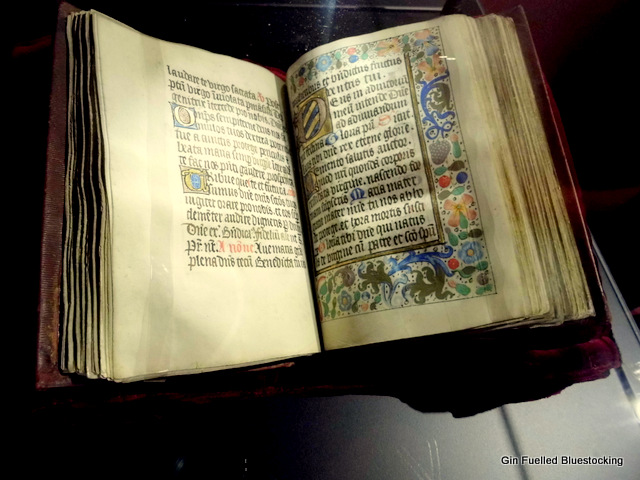
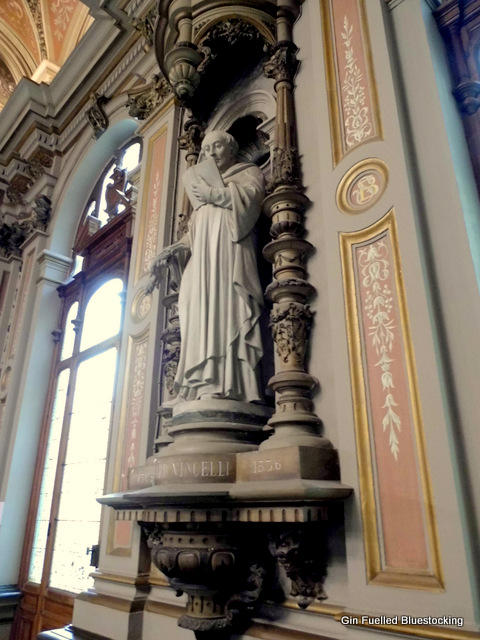
In the 16th century, a monk named Don Bernardi Vincelli was sent to Normandy. A Hermetic, as with many of his contemporary peers, he believed in astrology, alchemy and theurgy, all of which search for a perfection – of being one with God, of creating gold from base metals, of being one with the universe. Couple this with the medieval world’s reliance on religion and religious orders for curing ills and treating the sick, and you have the perfect recipe for the creation of medicinal elixirs and potions, and the creation of the recipe by Dom Bernardo that would eventually become Benedictine.
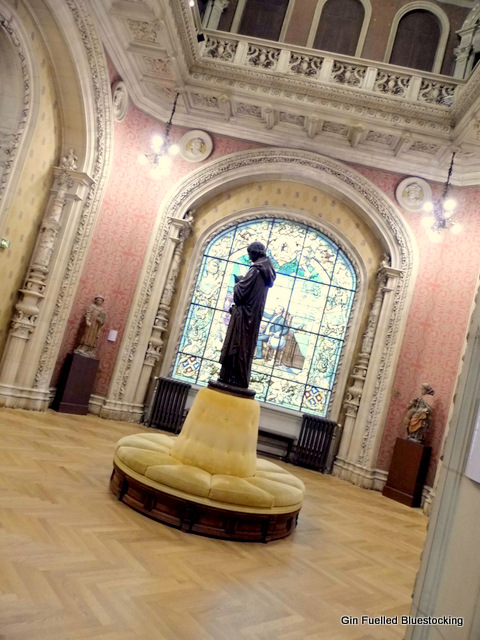 Fast forward to 1863 and Alexandre Le Grand, wine merchant and industrialist, discovered a recipe amongst a collection of family documents and books. In the 12 months that proceeded he perfected the process that would create Benedictine, the liqueur we know today.
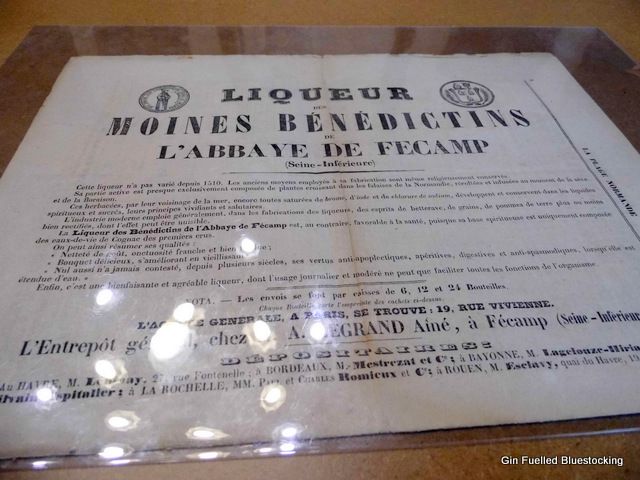
Using it’s history as a medicine, he began production on a commercial scale and in 1888 built the Palais as a factory, as a dedication to Dom Bernardo and as a home for the history of Benedictine.
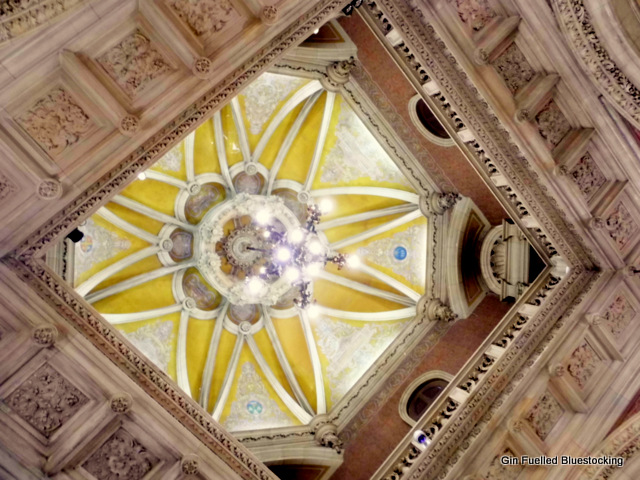
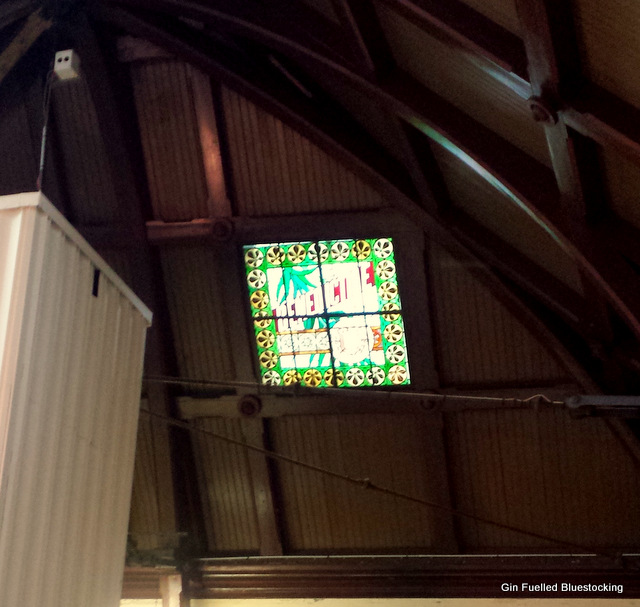
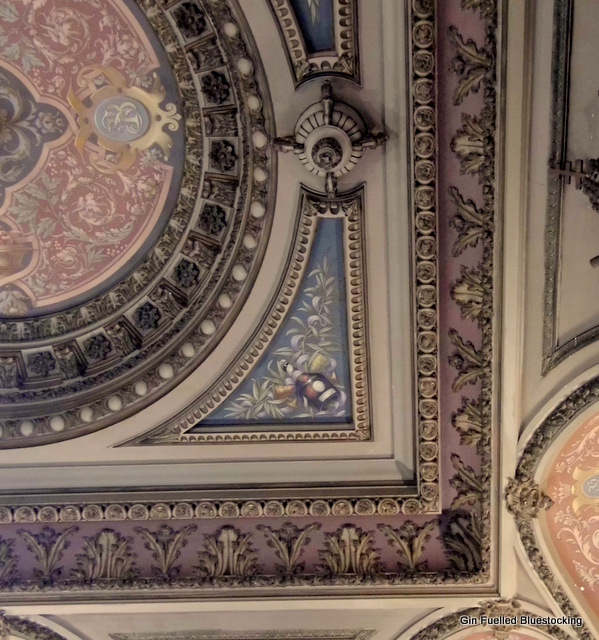
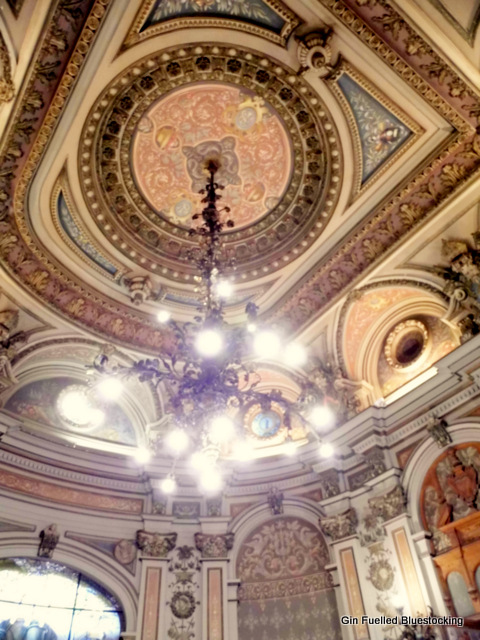
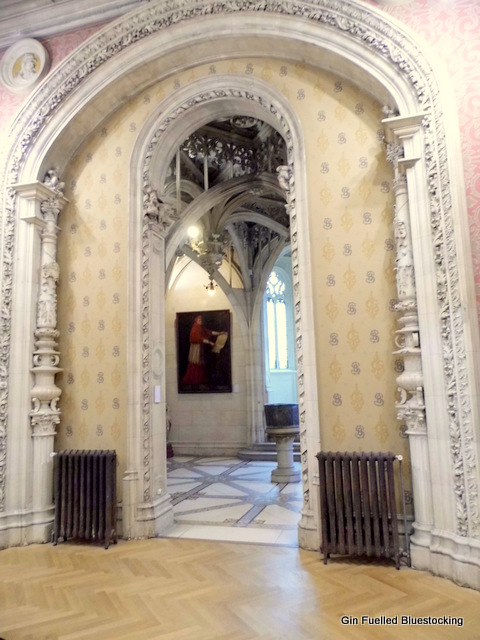
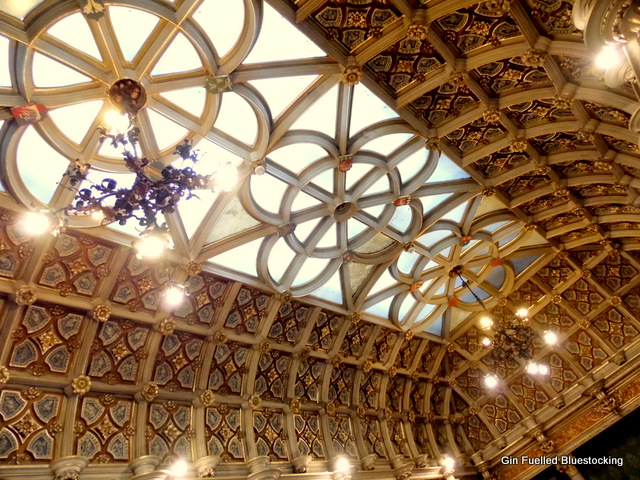
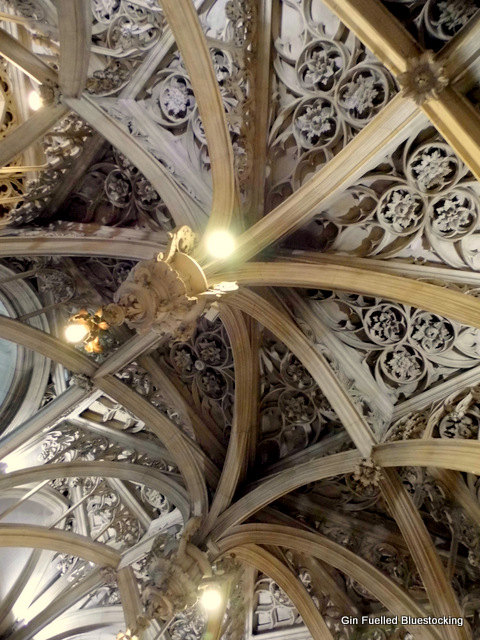
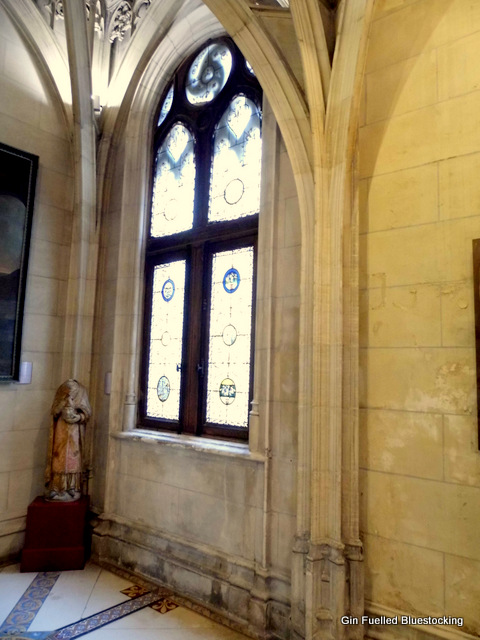
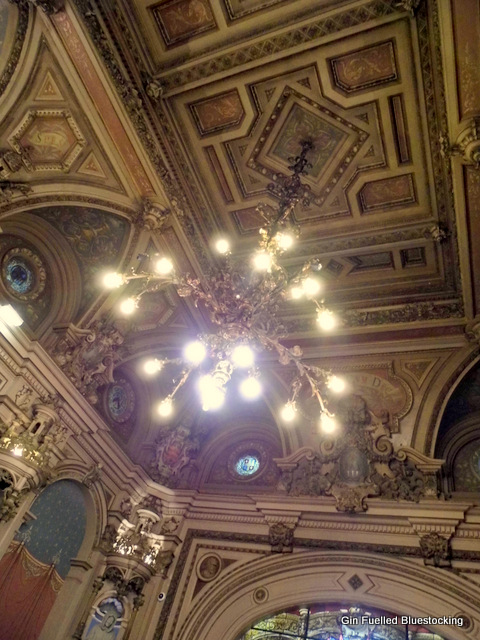
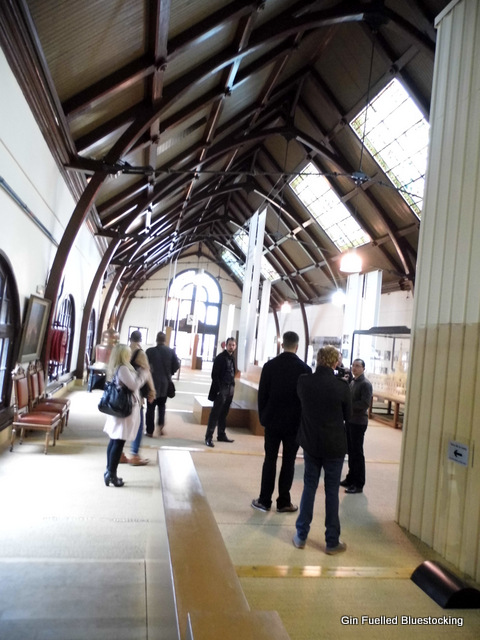
Personally? I think he wanted to show off a bit. And you have to admit, he did it in style with this mix of Gothic, neo classical and art deco architecture.
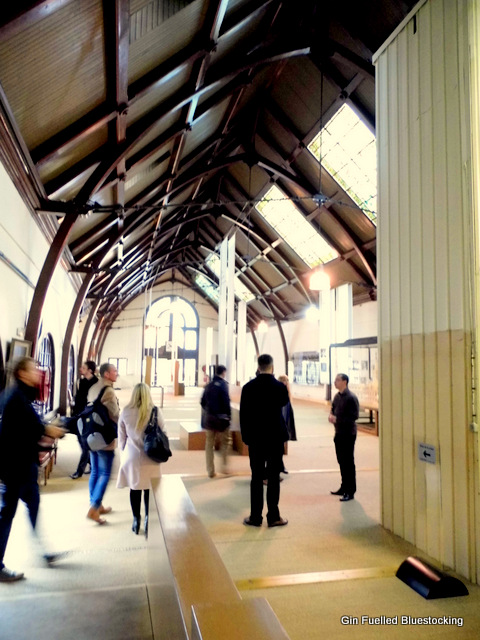
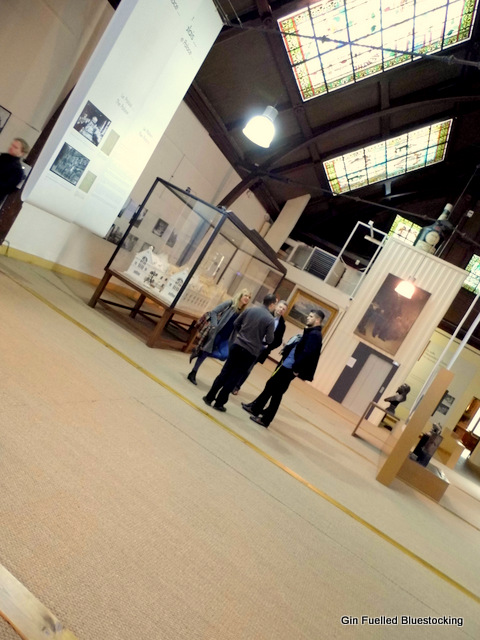
Even the original factory, is beautiful.
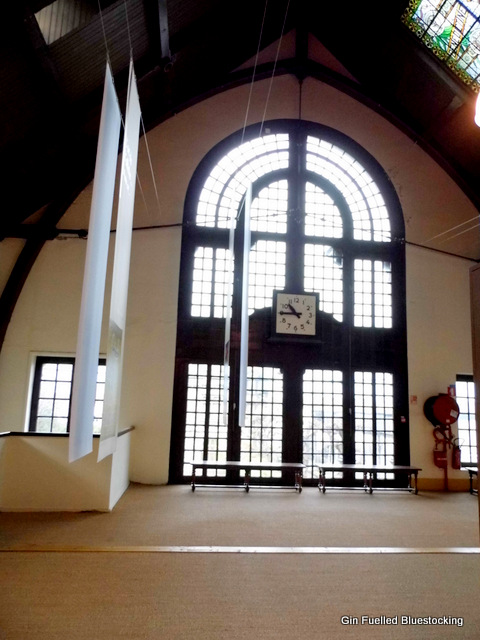
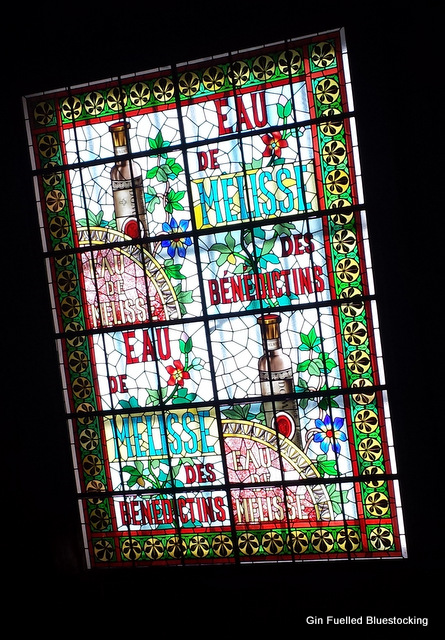
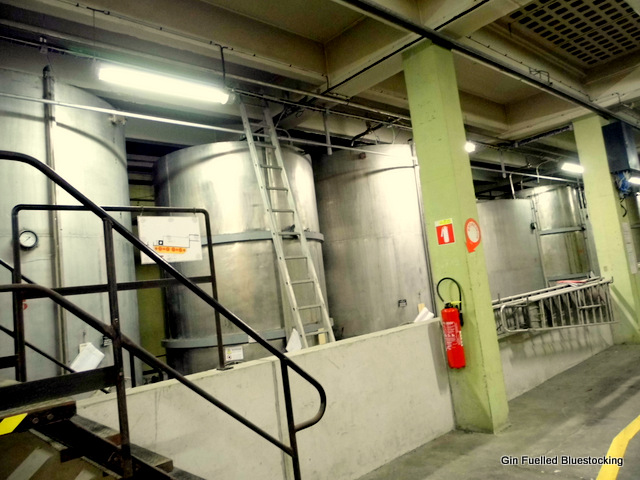
Down some stairs and things changed. The architectural elegance faded and concrete replaced wood and stained glass. We were moving into the industrial side of things. The production of Benedictine.
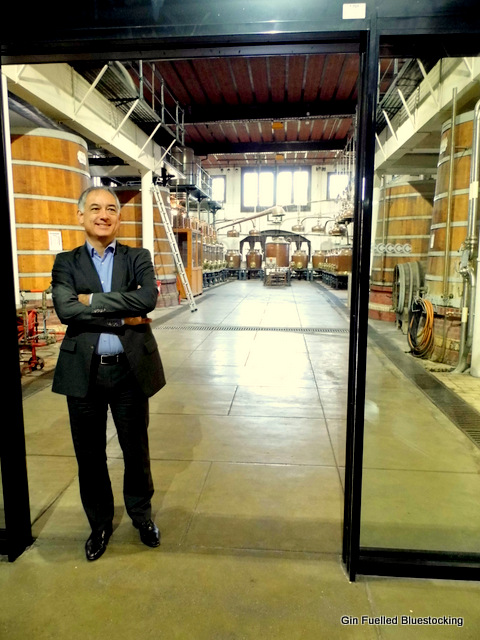
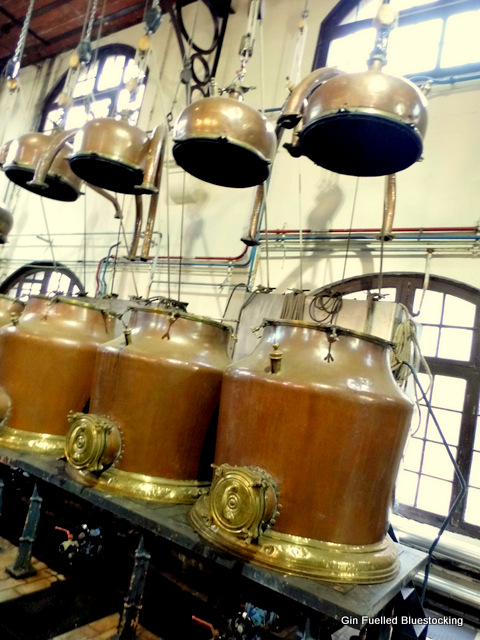
Phillipe and Ludo took us from the elegance of the Palais, to the production side of things. Understandably, the 27 herbs and spices present in Benedictine are a well kept secret. We’re allowed to know some – lemon, cardomom, nutmeg, cloves, myrrh, to name a few, but only the master distiller knows all of them and their quantities within the finished product.
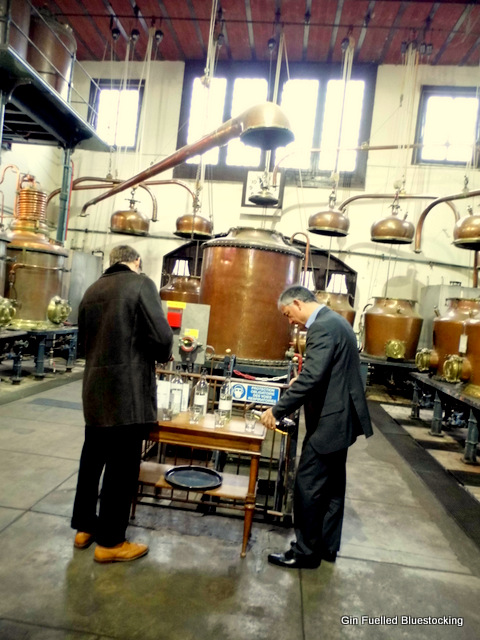
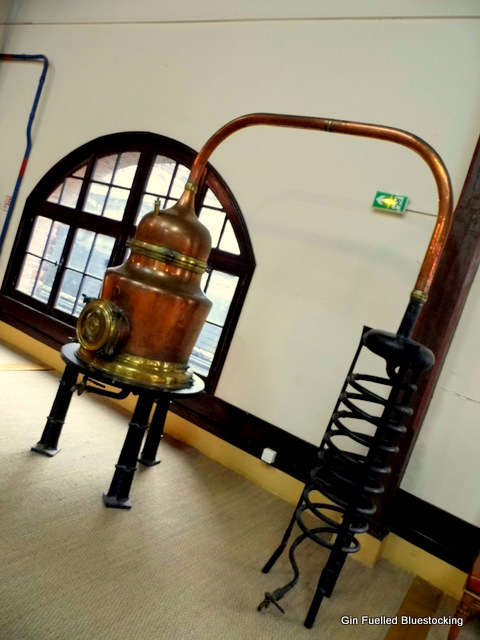
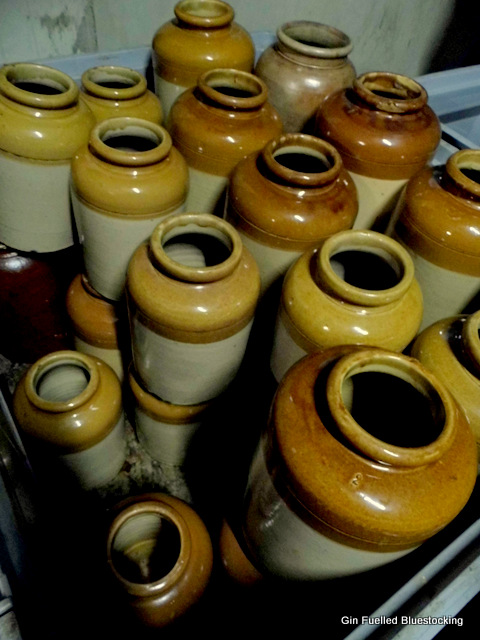
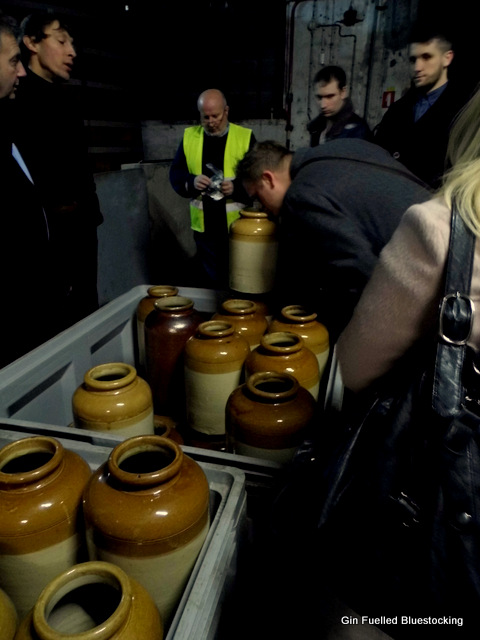
The process is complex. Neutral alcohol is infused with spices through distillation (at least once, in some cases twice), creating four ‘esprits’ or distillates. During our visit we were allowed to scent each of these – as the level of alcohol in each is around 70% proof, tasting was discouraged. It was (despite my cold) possible to pick up some of the elements, the lemon and nutmeg and juniper proving particularly evident.
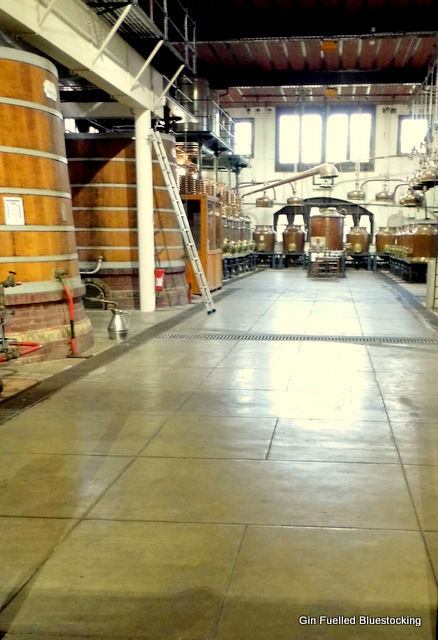
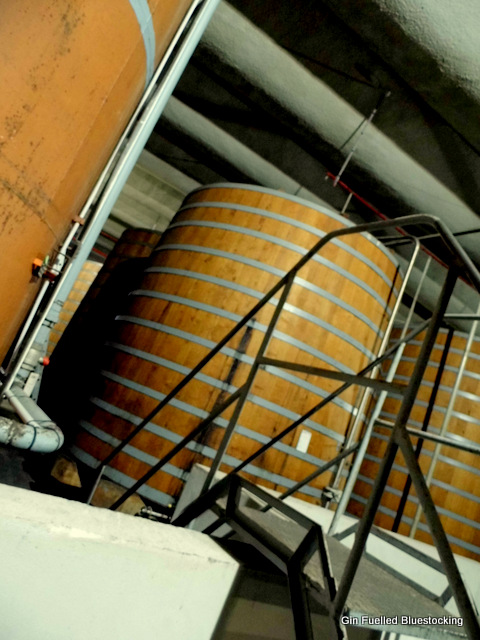
These distillates are then aged separately for 3 months in large oak casks, before being blended together and aged for a further 8 months.
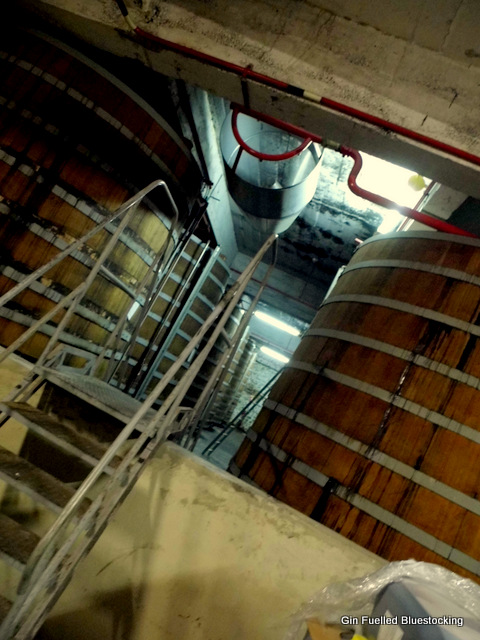
Before a final ageing process, the alcohol is gently warmed and honey is stirred into the alcohol to give it it’s characteristic sweetness. After it’s final four months in oak barrels, you have Benedictine.
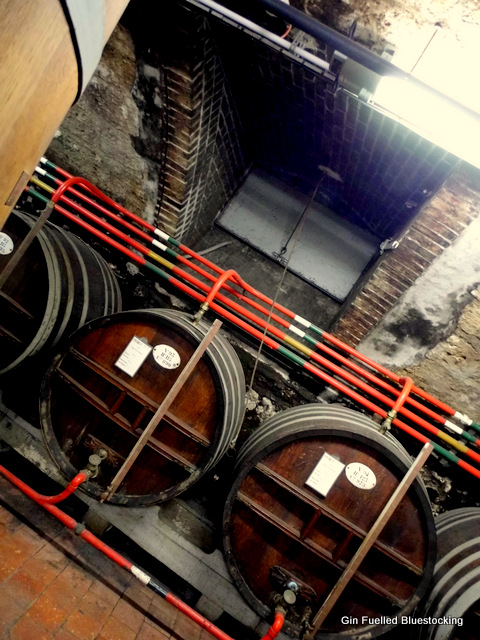
The geek in me was satisfied. I’d learned, sampled, peered into dark holes, smelt ageing alcohol and stood in awe of artefacts, documents and images hundreds of years old.
Time for lunch.
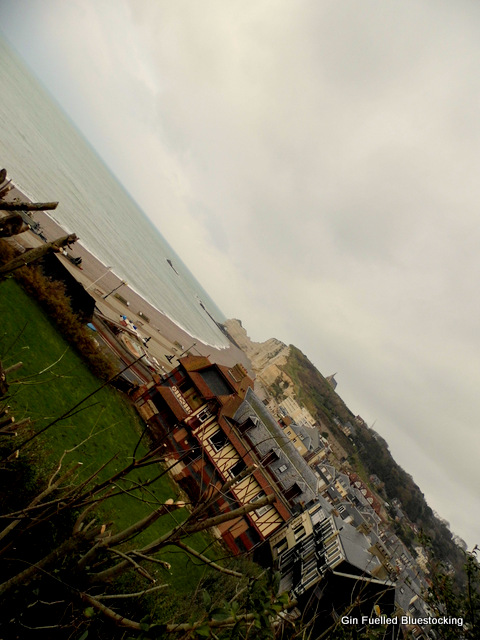
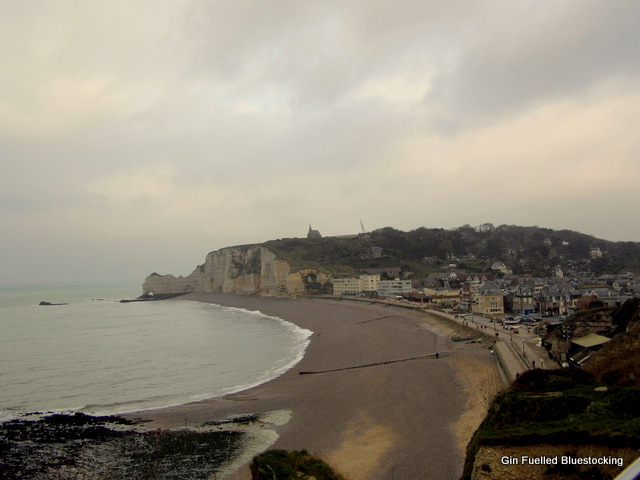
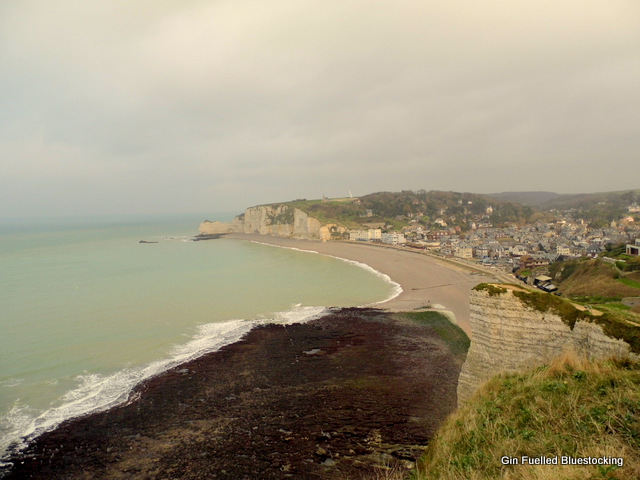
Our minibus reappeared, our bags had magically been transported aboard, and we were now whisked away to Etretat. To this view.
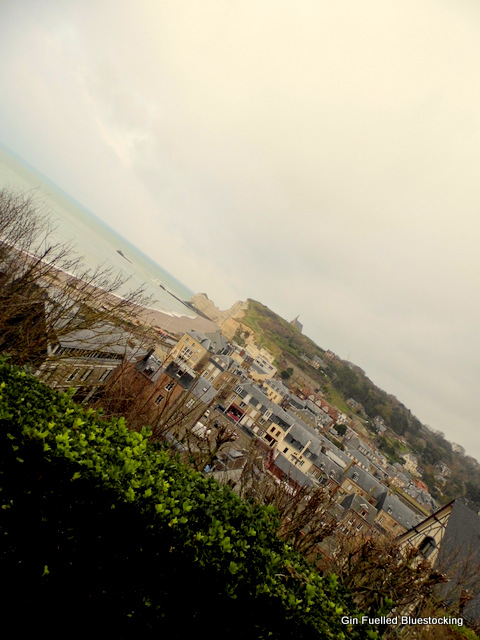
22 miles away was England. This was a little further south along the coast, and again, the weather was being a little unkind, it was another grey, chilly day, but we were to dine at Dormy House a beautiful cliff top restaurant, with views of the beach, village and sea.
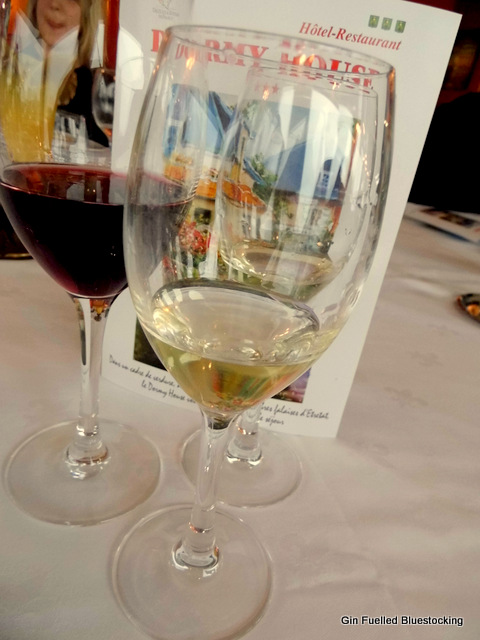
Trying steadfastly to ignore the views, I put my attention to the lunch that had been created just for us. To begin, and while Philiipe selected wine to accompany our seafood, we turned our attention to the amuse bouche.

A delicately chilled red pepper soup, complete with daintily diced peppers at the bottom, accompanied as ever with French bread and rich salty butter played with our tastebuds, waking our appetites.
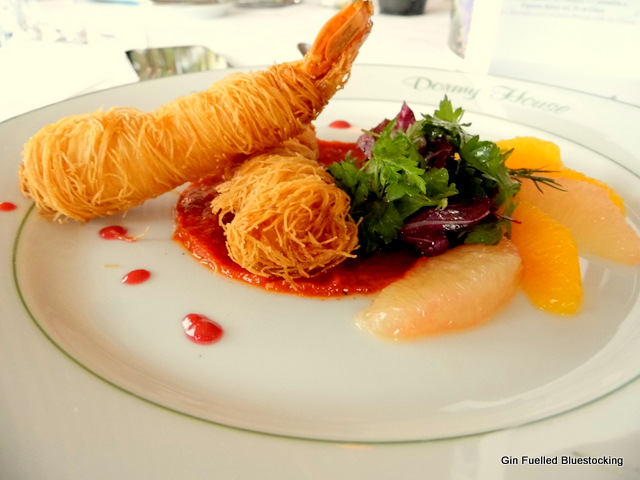
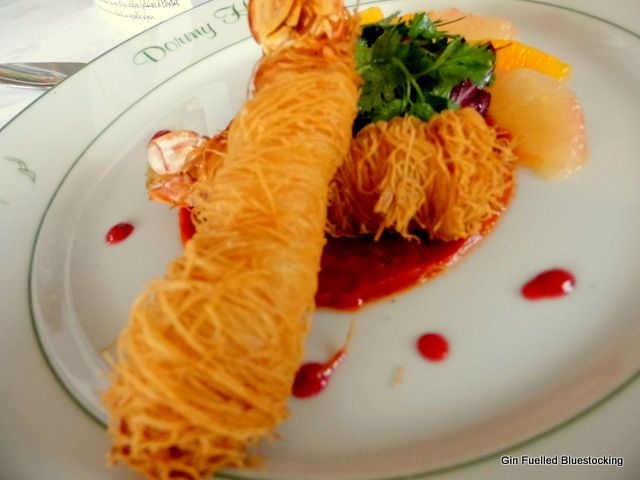
Our starter of fresh langoustine wrapped in pastry and deep fried was unusually accompanied by segments of citrus, but the bite of the bitter grapefruit went surprisingly well as did the bitter chard in the salad.
While our non-fish lovers enjoyed a tender rare filet steak, we were treated to this pretty main.
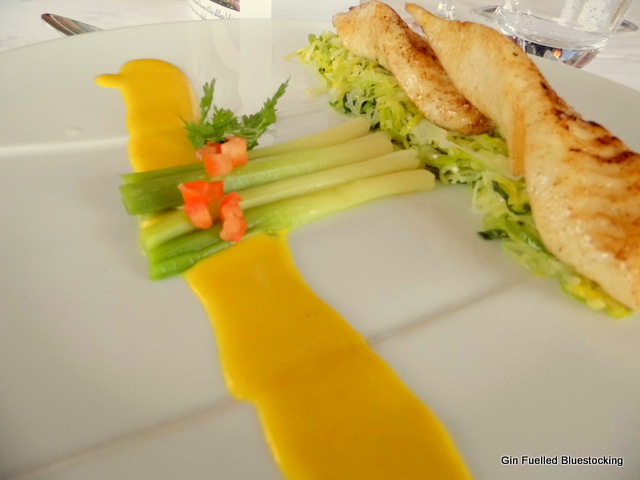
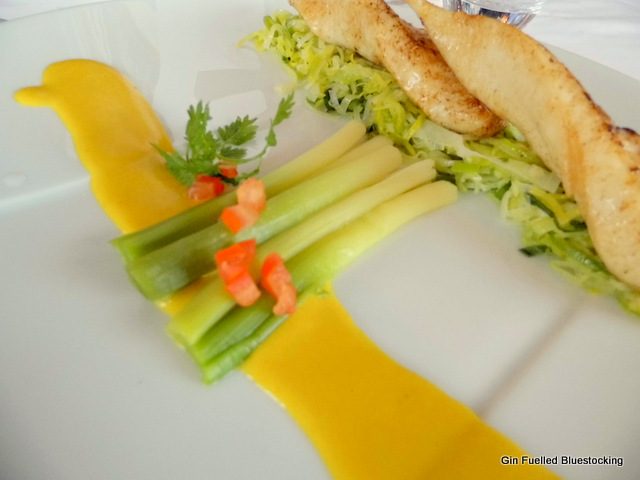
The fish was perfectly cooked, just done, sitting atop a bed of shredded leeks in plenty of butter and the saffron sauce was another marvel of buttery heaven. Yes, for these few days I was definitely feeding my cold.
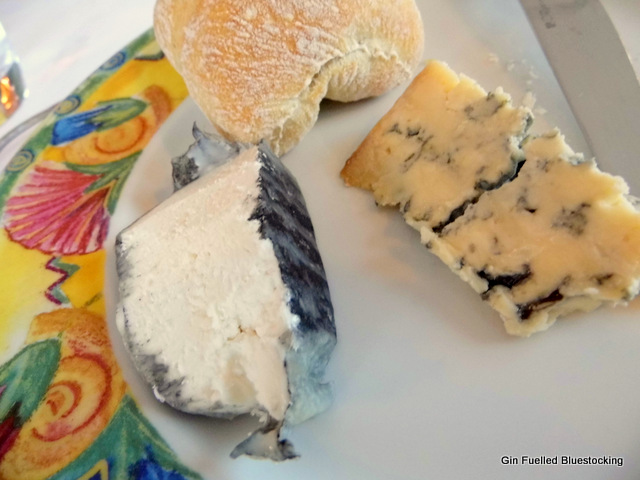
As with French tradition, we had our cheese before our dessert again – fresh local brie, heavenly blues, and a selection of goats cheese from the surrounding farms, and yes, more French bread and butter.
I was again thankful for elasticated waists.
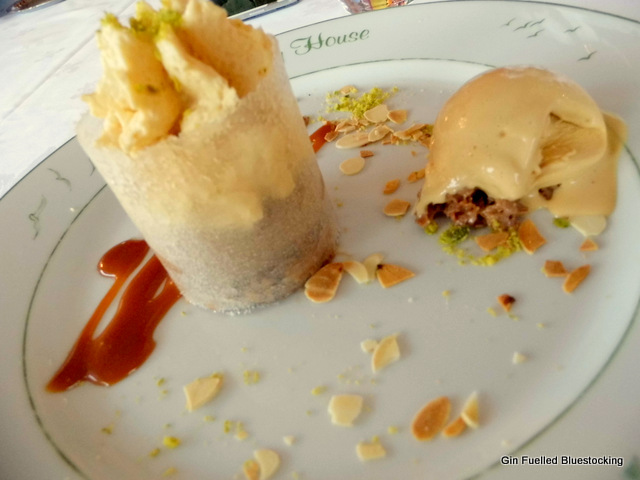
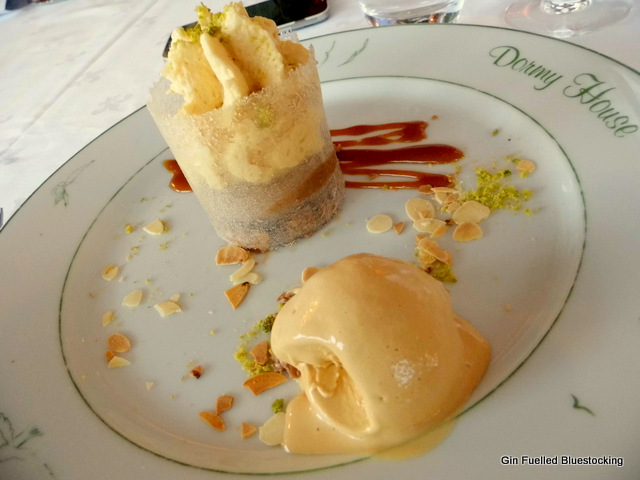
Dessert? C’est Marveilluex! Flavours of butterscotch and toffee, almonds and what appeared to be a cornflake cake sitting beneath both the ice cream and the Benedictine cream in the sugared tower.
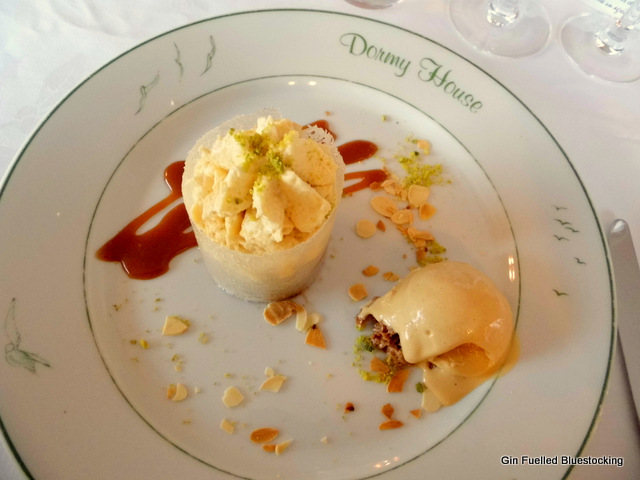
It was almost a relief when a clifftop walk was suggested – the opportunity to burn off some of the incredible food we’d eaten over the last 24 hours.
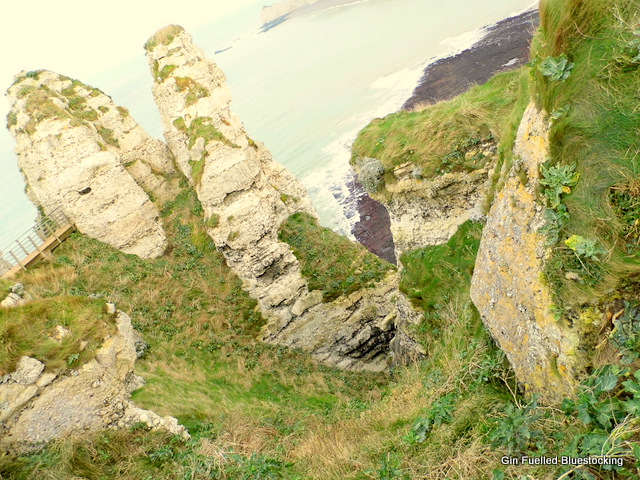
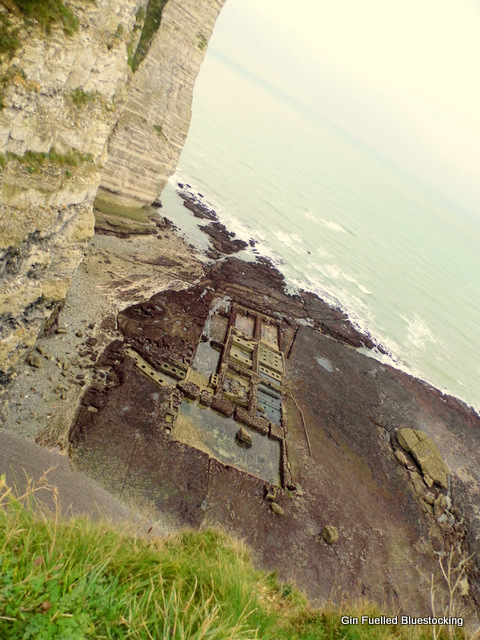
I couldn’t miss the opportunity to take photographs of these views.
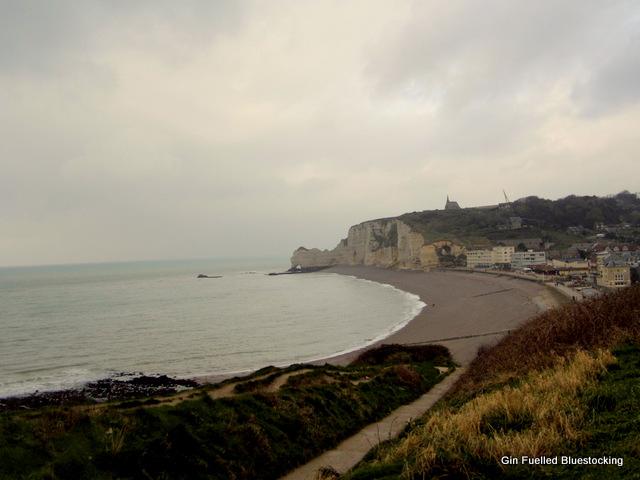
The cliffs and needles.
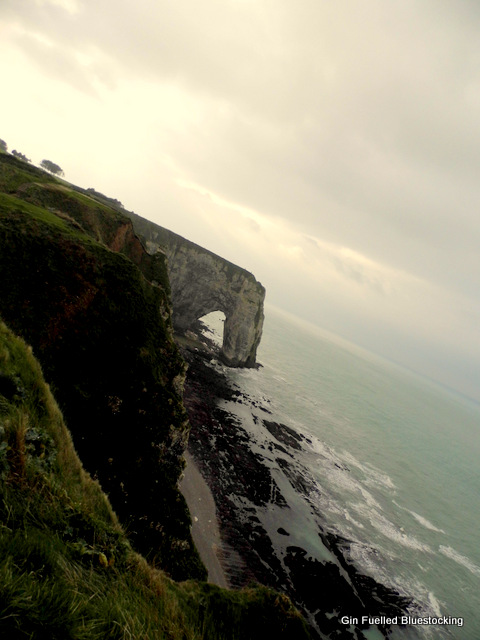
And to wonder, a little, why brassicas (the cabbage family) seemed to be growing all over the cliffside.
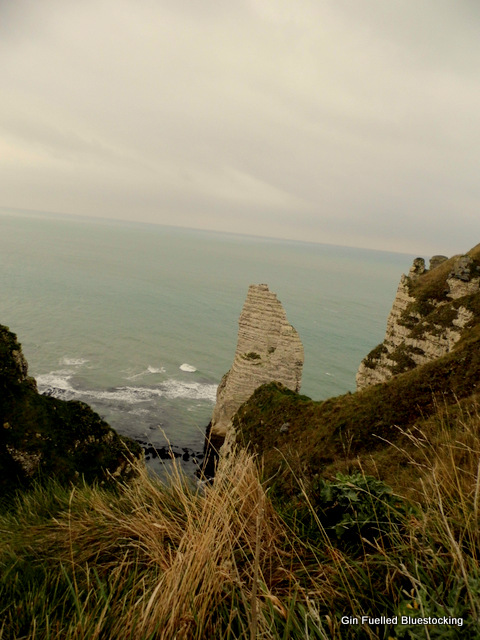
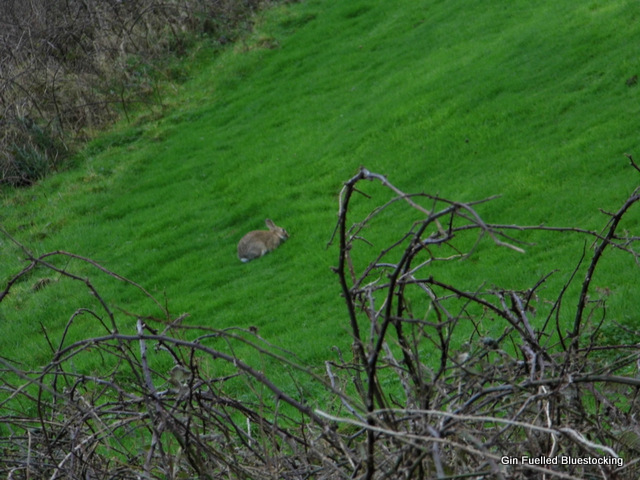
Lewis, accompanying me and my poorly soled boots, couldn’t offer an answer either, though did spot a rabbit grazing nearby, taking advantage of the kale like feast.
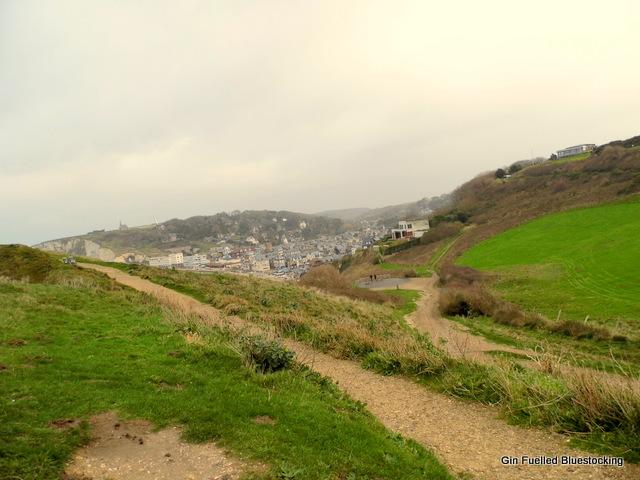
Slowly and carefully we (I) returned down the slopes, mentally berating myself for not bringing my walking boots, because more adventure awaited.
Paris.














In December 2014 I fell in love.
It was rushed, unexpected, but wonderful, beautiful and incredible despite it’s brevity.
No, don’t go panicking, Mr GFB is still with me and happily so, (honestly how the poor man puts up with me I don’t know).
You see the power of social media had struck again. A message through Twitter had left me open mouthed and somewhat speechless. I read it again. And again.
Left the computer, made a cup of tea and returned to see if it was still there. It was.
It was an invitation to France – to Normandy and Paris to be specific, a whirlwind trip from Fecamp to Etretat and an overnight in Paris, just off the Champs-Elysees. I pinched myself again. Refreshed the screen. Nope, still there.
The invitation was from Benedictine Liqueur – both I and Keeley had been to their cocktail competition heats in Manchester, more than once, and knew that the winners from the four heats across the UK were invited to the Palais Benedictine in Fecamp, Normandy, for a final – the winner announced on a cocktail safari in Paris.
I did what anyone in my position would do. Said yes and immediately booked the time off work.
The trip really was going to be a whirlwind. Tuesday lunchtime we were travelling by Eurostar to Calais, this of course meant one thing. Being based in Manchester, this was an early train to London Euston.
Hmm. I splurged my November paycheck and booked a Travelodge in Farringdon and stayed overnight on Monday so I could get some rest. Basic, and a world away from the 5* venues that awaited in France, but clean, quiet and a mere 20 minute walk from St Pancras, I thought I had the perfect plan, and would arrive fresh as a daisy on Tuesday morning.
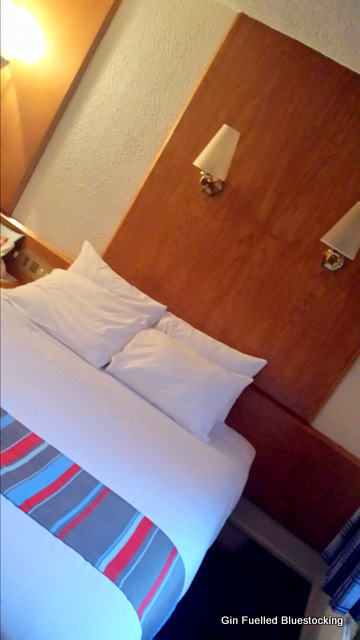
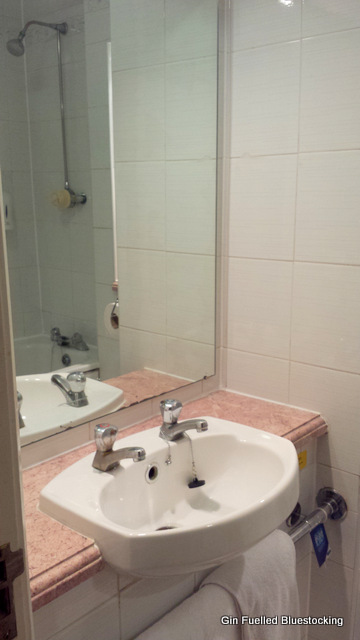
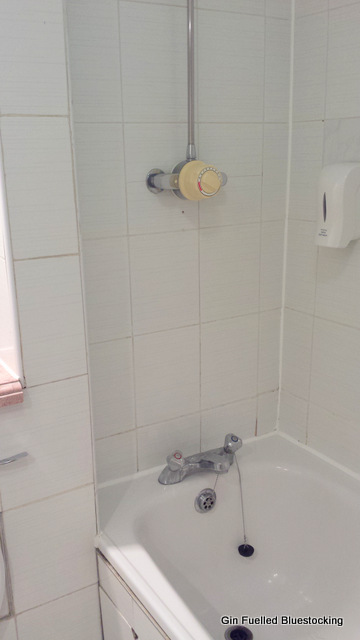
What I hadn’t banked on was meeting a chef mate in London, a visit to San Carlo, to Villandry, and staying up til 2am drinking cocktails.
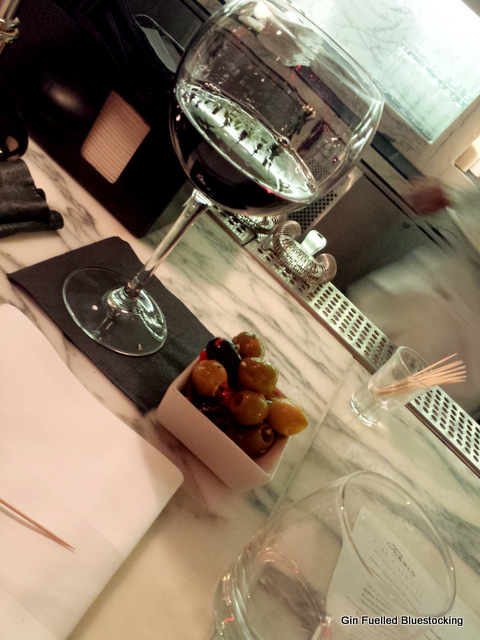
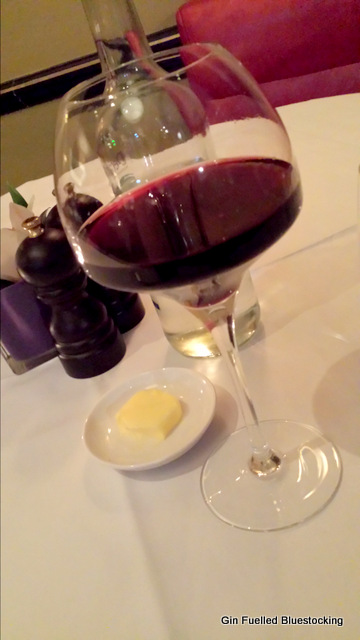
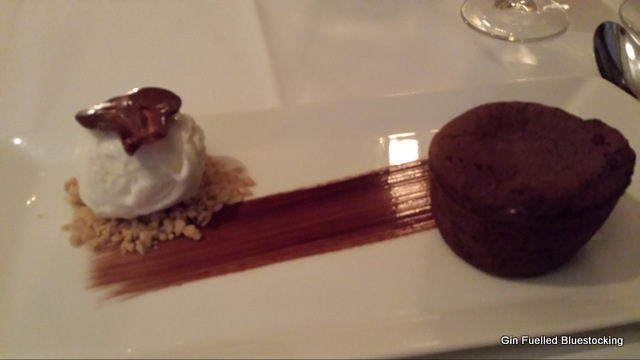
Regrets, I’ve had a few, but Sardinian red wine in San Carlo Cichetti Piccadilly, the chocolate fondant dessert in Villandry St James and the cocktails in Brasserie Zedel Bar Americain are not them. Lack of sleep, maybe.
Awaking later than planned and foregoing the breakfast at my Travelodge, I trundled to meet my travelling companions. The instructions stated ‘next to the M&S Simply Food on the concourse at St Pancras’, yes it did sound like a spy film cliche. However, the group travelling were anything but. Myself and Rebecca of Social and Cocktail were the press contingent. There were our organisers, Claire and Brodie, our host, Paul and our video specialists, Byron and Doug. Why yes, the whole trip was to be recorded for posterity.
Finally, we had our cocktail competition heat winners: from Scotland, Simon Smith of The Drake, from Manchester, Lewis Cooke of Epernay, from London, Jeremy Pascale of Sixtyone Restaurant and Bar and finally from Bournemouth, CJ Cohez of The Larderhouse.
Grabbing a bunch of M&S sandwiches and nibbles (and a little hair of the dog on the train), we were off.
The journey is smooth, and surprisingly quick. I’d hoped that my first trip on the Eurostar would be filled with views worth noting and the odd picture worth snapping, or at least a little drama en route. But the scenes are of either grass or concrete, or a mix of both and bar the lovely wine and Christmas themed sandwich (and great company) it was all very anticlimactic. All but moments later, were were in Calais.
More grey concrete, more white walls, another dodgy lock on the ladies’ loos. More gathering together of bags and people, and this time shepherded onto a coach for a three hour trip to Normandy.
The North of France wasn’t kind. The weather was grey and dull. The rain heavy and our views were of dark fields, darker skies and the tail lights of the vehicles ahead, broken occasionally by toll booths. Amusing ourselves with tales of booze, Paul’s tales of Taboo and Warninks, we wished the time away.
The chatter and whisper of our arrival awoke most of us from a gentle doze. Though it was dark, spotting a Carre Four and signs for Fecamp soon stirred the adrenaline a little. And as we pulled in front of the Hotel Le Grand Pavois on le Quai de la Viscomte we were eagerly peering through the dark windows into the rain to try to view our surroundings.
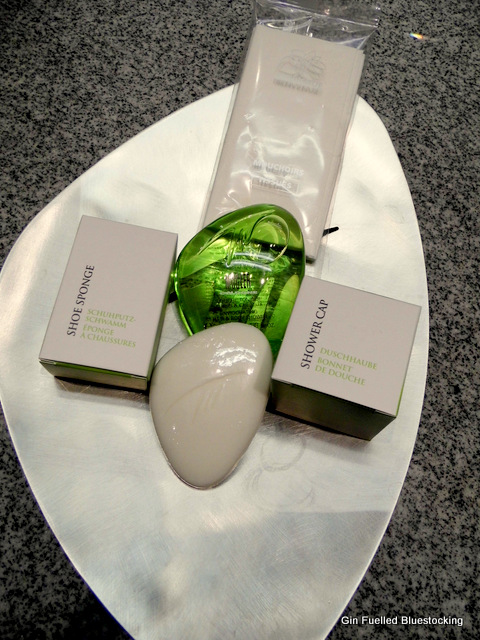
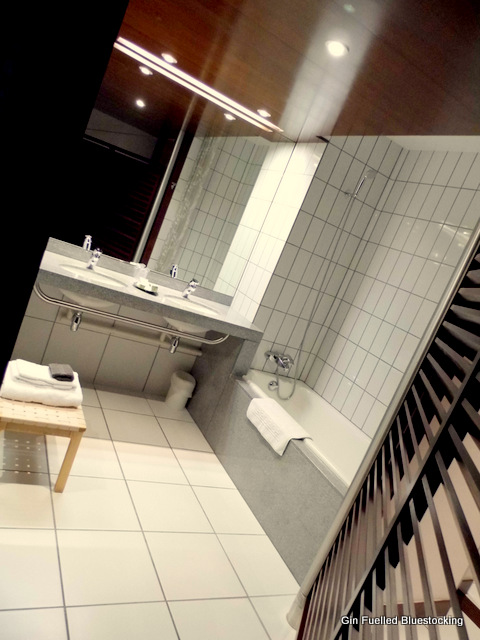
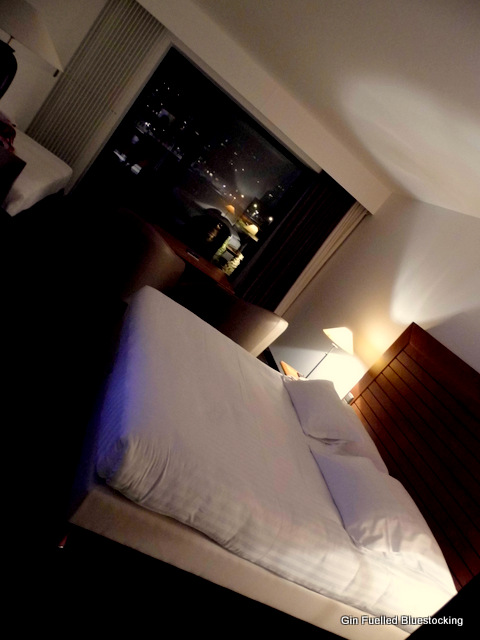
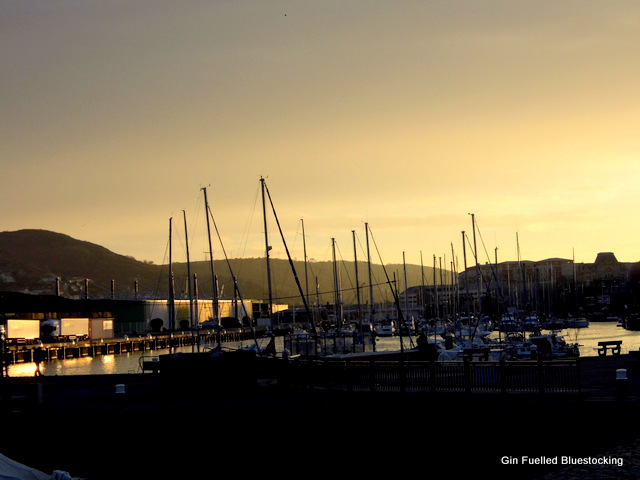
We rushed through check in, my surname in English is open to translation, in French… It’s all kinds of wrong. But there was little time to correct anyone, just enough to refresh, change brush hair, scrub teeth, take photographs of my incredible room and peer from the balcony into the dark of the quayside, before meeting at the bar and the night could begin.
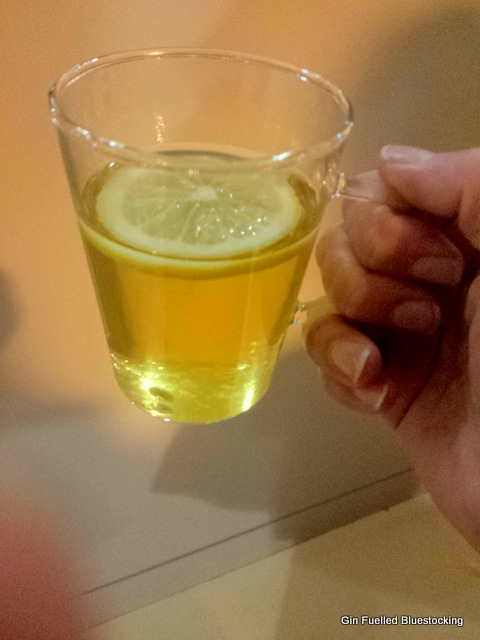
First, to the Palais de Fecamp, the home of Benedictine, to meet our hosts Philippe Jouhaud the Marketing Director, and International Brand Ambassador for Benedictine, Ludo Miazga. Though it was dark, it was clear the Palais was incredible and as we made our way into the visitors centre to warm ourselves with a ‘Bene n hot’ (Benedictine, hot water and lemon) as loved by the Burnley Miners’ Club, our curiosity was piqued.
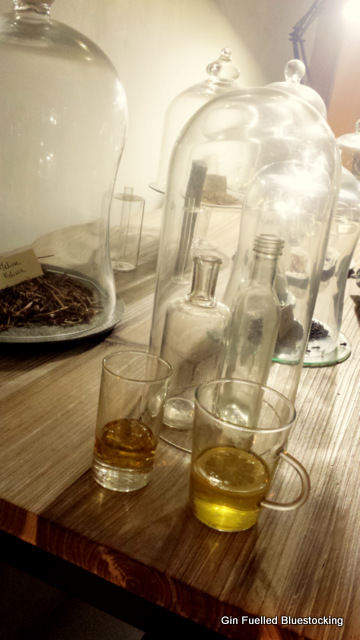
Warming up we sampled B&B (Benedictine and Cognac Brandy), and 1868, their limited edition – a blend of Benedictine Liqueur and Cognac that’s then further aged to add some delicious whisky style notes, all the while our four cocktail makers warmed up and prepared. For now, under the watchful eyes of the great and good of Benedictine, and a rolling camera, they had to recreate their cocktails.
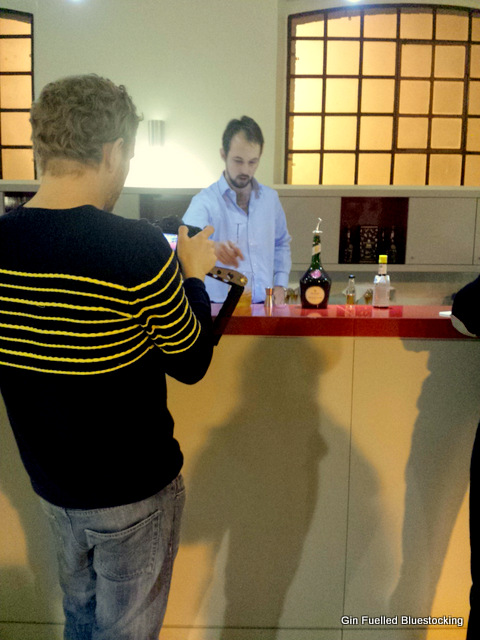
First was Simon and his cocktail, First Over The Wall, a nod to both the location of Fecamp and the Palais and it’s role in WWI, and ‘B&B or ‘Bene and Brandy’, a big hit with the Officers on site during that period and noted as ‘the drink that won the war.’ This version was created in tribute to the lads who went over the wall and their role in WWI.
Benedictine, Cognac, Creme de Abricot, Ginger Syrup was stirred down with a dash of bitters and garnished with a piece of orange peel.
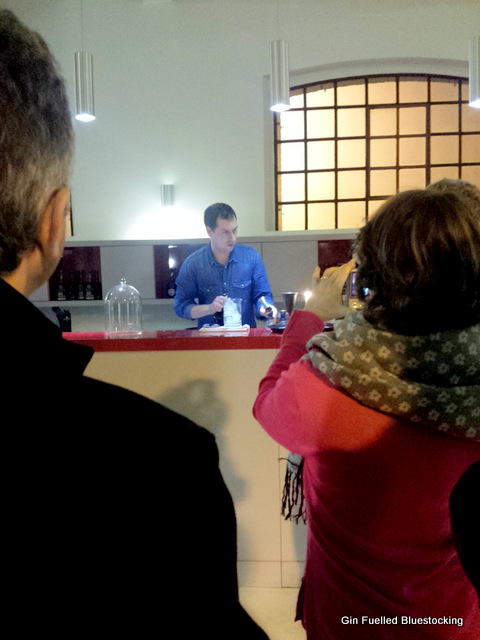
Next up was CJ and his cocktail, For Whom the Bell Tolls. Taking influence from the French Revolution, the Abbey de Fecamp and the monasteries suppressed and destroyed in the during this time. Ketel One Vodka is stirred with Benedictine, Talisker Whisky and a dash of Fee Bros Orange Bitters. Pour over an ice ball into a chilled metal chalice, which is placed under a glass cloche filled with myrrh smoke and a lit candle.
Fecamp obviously approved, for as the candle under the cloche went out, bells marking the time sounded.
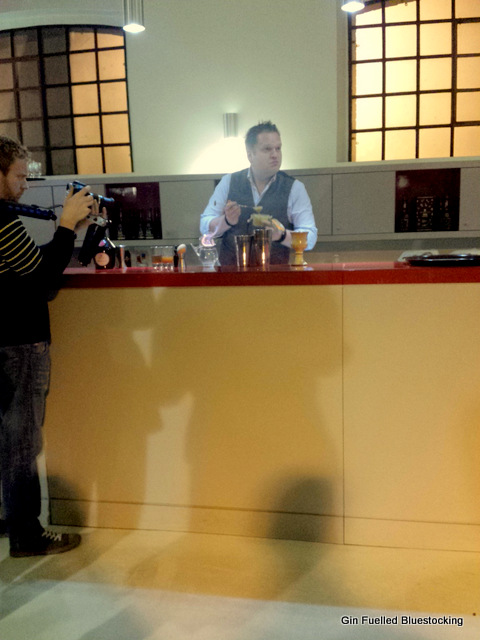
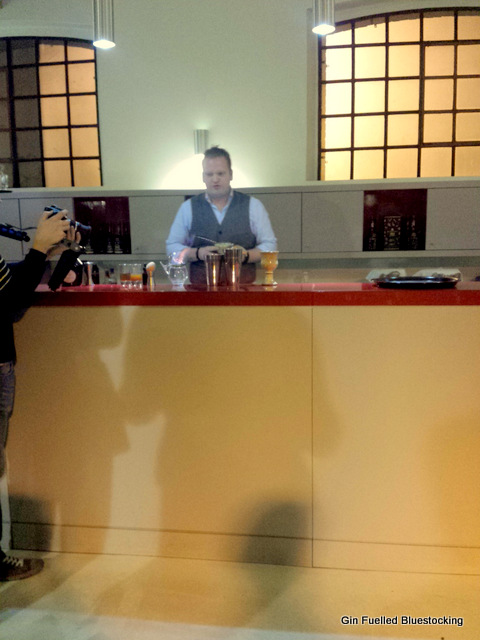
Our third heat winner, Jeremy had taken looked to Don Bernardo Vincelli, the first Benedictine monk who made the liqueur in Fecamp for his cocktail, the Monk’s Flip. Benedictine, two sprigs of rosemary and two sprigs of thyme were flamed in a glass to create a warm herbal infusion. Meantime, Jeremy added vanilla butterscotch, stout reduction, spice mixture and Earl Grey tea to a shaker, before adding the still flaming liqueur. Then add ice and a whole egg before shaking and straining in to a ceramic goblet. This is then scented with a twist of orange peel.
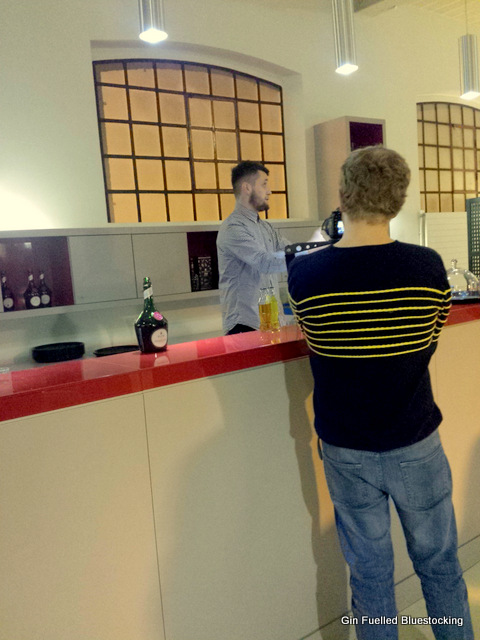
Finally my home contingent, Lewis with his cocktail the Catholicon. Referring back to the original secret elixir Dom Bernardo Vincelli and the Benedictine monks made in 1510, this takes the idea of the elixir being used as a medicine. Take this idea, add this to the cocktail the Penicillin and use ingredients with historic medicinal uses and you have a contemporary cure.
Benedictine, lemon juice, homemade saffron infused honey, apple cider vinegar and an egg white were all added to a cocktail shaker with ice, and shake well. Double strain into an elegant coupe glass and garnish with a grate of nutmeg and a little thyme. To serve, place under a cloche, with a cup of hot Earl Grey tea, so as the cloche is lifted, the scent of the Earl Grey fills the air.
It was clear our hosts were impressed, we certainly were, and there was no way I could choose between all four. From the creaminess of the Monk’s Flip, the smoke of For Whom the Bell Tolls, to the ginger flavours of the First Over the Wall and aside from the medicinal flavours of the Catholicon, he was our home entrant.
For the winner, I would have to wait until Paris. And that was a day away.
The entirety of this trip was provided by our hosts, Benedictine.