
It’s no secret that I love tea. My routine is generally two morning cups of coffee (to kick my booty into gear), then the rest of the day is a mix of proper tea (usually Yorkshire Tea or Clipper), green tea, Assam, Darjeeling, Lapsang, herbals, fruit teas – whatever takes my fancy, or whatever I’m particularly into at that time.
For example, I’m currently loving a blend of green tea and coconut in the office. I could (and do) drink it all day. But when I get home in the evening, I’m all about a traditional brew. Big mug, splash of milk, and all is right with the world.
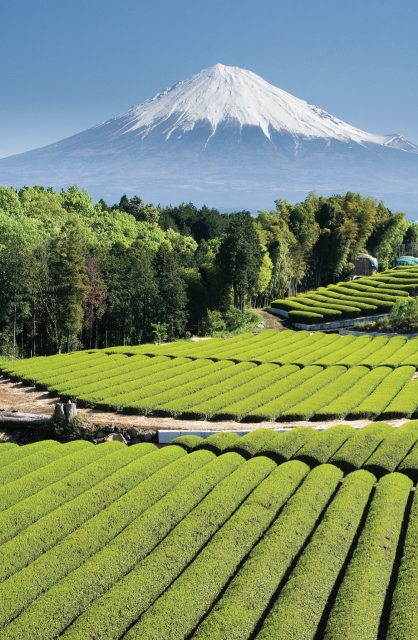
I recently had the opportunity to chat to someone whose job it is to drink tea. For almost 20 years, Will Battle has been tasting teas and creating blends for tea lovers worldwide. He has lived and worked alongside tea producers in Asia and Africa, visiting and working with hundreds of tea gardens. Places like this:
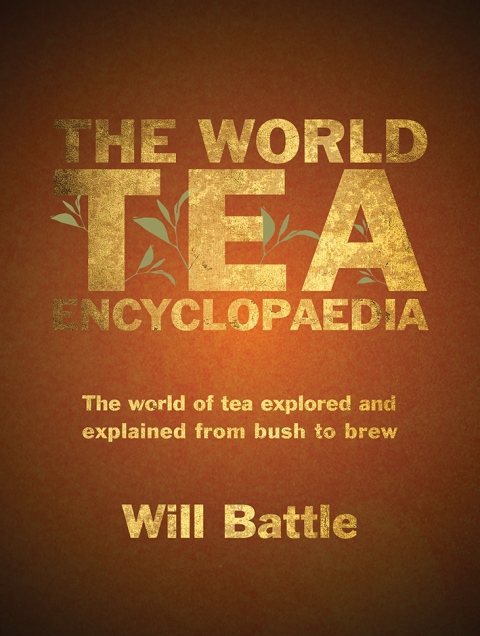
So basically it’s his job to tour the world, drinking tea as he goes. I can think of worse ways to spend my time. Will has used this expertise to pull together the first ever World Encyclopaedia of Tea. And of course, I had to ask him first of all.
How on earth do you become a tea expert in the first place?
After university I was working on our family farm, and I wanted to do something interesting and I saw this job advertised by Tetley, which was Trainee Tea Taster. I jumped at it, it would be my ideal job – I enjoy tea, it grows in beautiful parts of the world, wherever tea grows it’s almost always stunningly picturesque, and you travel and get to meet interesting people, and for me, having grown up in farming, it was a nice marriage between agriculture and the artisanal tea-making side of things. So I took on this Trainee Tea Taster job, and I worked for Tetley for ten years, I travelled with them, learning, training in India, Sri Lanka and Africa. Tasting tea after tea after tea – and visiting tea gardens and I just loved it.
So that was my genesis into the tea trade. It’s a wonderful product to be involved in. It’s a social product – something to enjoy with friends and I just fell in love with it.
I spent ten years working for them, then I moved to Switzerland and then the Netherlands to do something similar for Douwe Egberts, importing tea into the Netherlands. And then we moved back to Lincolnshire last year, and I set up my own importing business to import fine teas for small and medium sized tea companies over here.
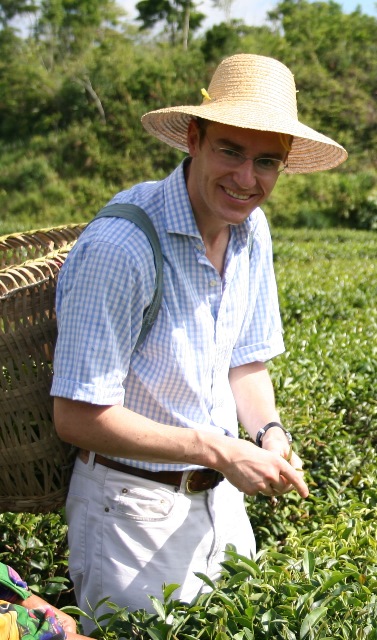
The book started ten years ago. It was really a consequence of having read every wine book that’s existed – I really enjoy wine atlases, and I thought I could do something similar for tea. There was a space for someone who has seen all of the worlds teas, to try and put it into a book and show people what a fascinating product it is, and show people what they haven’t experienced. Everyone’s heard of Darjeeling and Assam, but who knows that there’s this fantastic tea from the Thyolo district in Malawi, or that you can get a really exciting Oolong from a particular part of Indonesia. So I wanted to show people what else is out there and try and make it a little bit more accessible.
And you haven’t explored herbal or fruit teas? This is just tea-tea?
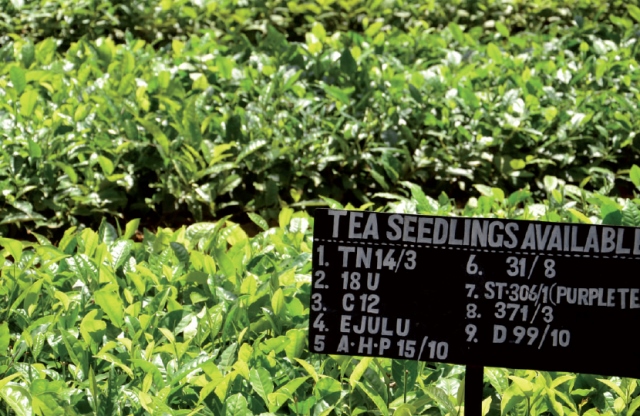
I haven’t, and the main reason is because I think it sits nearly as a category. Tea is one plant species and it fits into one book. Once you get into botanicals like rooibos and chamomile and peppermint, fantastic as they are, where do you draw the line, because there are probably around 200 plant species that you can drink. For me it was very much all about tea and tea in the sense of the camellia sinensis plant, rather than trying to get involved in anything else, because then I could have been at it for thirty years and still not gotten to the bottom of it all!
It is a growing area isn’t it? We’ve have the boom in coffee and now we’re getting the same thing happening with tea.
I think so, I certainly get the sense that it is, and I speak to a lot of people who are setting up small tea businesses in the UK and continental Europe and there’s a real interest in interesting, exciting tea. And I get the sense it’s growing. It’s coming off the back of not just the craft coffee industry, but the craft brewing industry too. For example, I’ve just been in Edinburgh and there’s a company who have linked up with a gin company and you can see the two marrying well, which is exciting.
And I have to ask. What is your favourite tea?
I have to be diplomatic, but it’s a really good question, and I’ve been asked it a lot. For me, it’s normally the last tea I’ve drunk. If I’m on a tea estate, wherever I am in the world, the best tea is the tea that’s just been made and you’re drinking on the estate. For me, wherever I am in the world, whether I’m in Argentina or Darjeeling, that is almost impossible to rival – the combination of setting and product, surrounded by all the aromas of the tea manufacturing process. You talk about roasting coffee, but the smells in a tea factory are beautiful.
It can depend on the time of day as well. If I get up in the morning, I want something rich and full bodied that will go well with milk, something strong – really an Assam. Later in the afternoon it feels more like Darjeeling time – something lighter, something more floral. But I’m lucky enough to have a warehouse full of teas, and I love them all.
It also depends on what I’m eating. Some teas work really well with food. A smoked salmon, for example works really well with Lapsang Souchong. The smoky taste goes really well with the oily flesh of the salmon. But if I’ve got something like a sweet light chestnut, that goes really well with a Matcha tea. So it really depends, and the great thing about tea is that there’s so much variety out there, there’s probably a tea for everyone. And what I’ve tried to do with the book is to try and catalogue and divide it into an accessible form for tea enthusiasts to get into the product.
If you’re as into tea as I am, Will’s book is available online.