
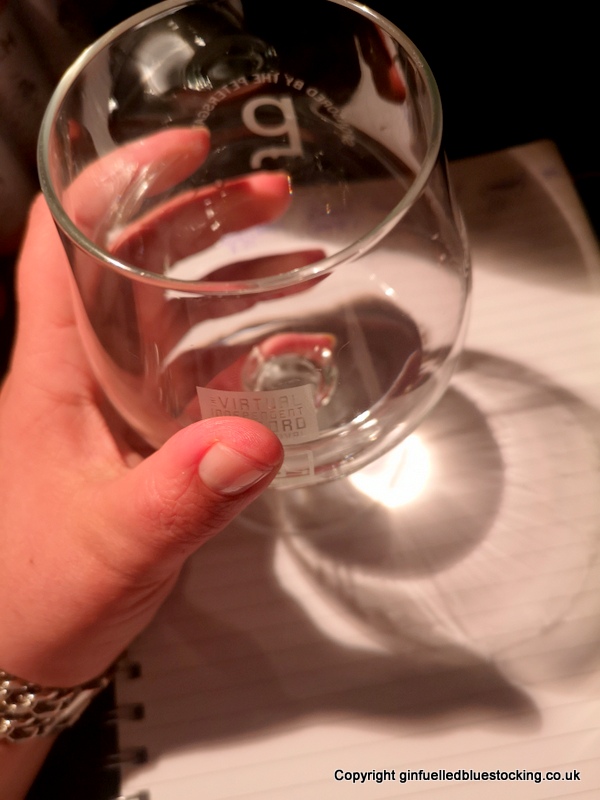
So, last year, the People’s Choice Wine Awards were a very different place. We were able to get together at The Comedy Store and celebrate producers from across the world. We could sample the wines that went through as finalists (there were a lot). And we could cheer on those we supported.
Judging too, was very much an in person thing. Not a distant, careful environment.
So this year, has been somewhat different. Not only because of the whole pandemic thing, but because rather than just covering wine, spirits were covered too.
And of course, that meant gin – and that I got to join in the fun.
So, how do the awards work? A brand submits their gin(s) to the competition. Then it goes through a round of judging from members of the public – you can apply to be a judge (check out the website and bookmark it for next year, yes you’re welcome). Then follows a second round of judging from professionals. And yeah, that’s where I come in.
After nearly a decade as a blogger primarily covering booze (gin as you may have noticed is my specialist subject), visiting distilleries, working with brands, helping bars pick their gin selections, and random people on twitter garnish their G&Ts, I think I’ve finally drunk enough gin to qualify.
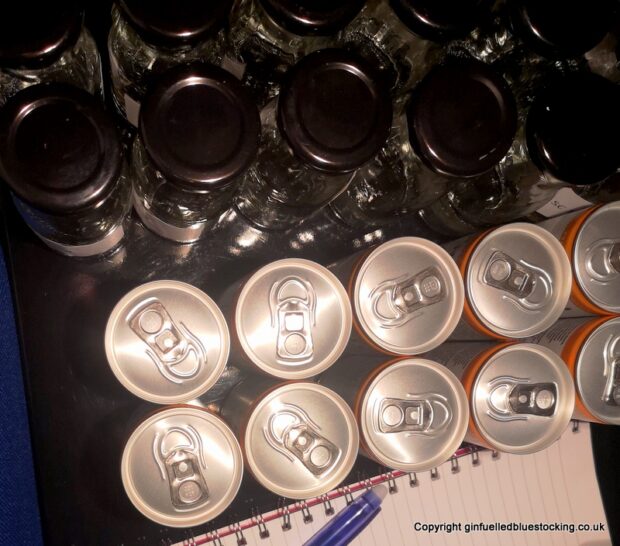
So I was duly delivered 24 bottles of gin. All marked with a code to differentiate between them, and tonic from Double Dutch to sample them with, but that was it, everything was completely blind tasted.
So what do you look for?
First off, colour and smell. If it’s a flavoured/infused gin, is there sediment present? If it’s a London Dry, or classic gin, is it clear and bright? Does it smell of anything? Or are you just getting a hit of alcohol?
Then when it comes to taste, whatever the flavour profile, sweet, unusual, modern style gin, you’re still looking for juniper. You need to be able to taste it, even just a hint of piney perfumed notes. A gin needs to be a gin. Other than that, you’re looking for balance – whether with or without tonic. Yes, I try it neat – some gins really are better on their own, some work better with tonic. So it’s a mix and match. Also neat I can pick out flavours, the soft lemon sweetness of coriander, there’s a distinct flavour/texture you get from distillation in copper rather than steel, is there a definite citrus slant, or something herbal or floral.
And finally, most importantly, does it taste nice. If I was served it in a bar, would I drink it, even order a second? Or would I skip on to something else, because it’s not just doing it for me?

Every gin gets a score, across a number of different categories, and they’re totted up. I’m not saying it’s easy. Some had a great score on flavour, but a less than stellar score on colour. And often it’s a little thing that can have a big impact. And, there were 24 of them. That’s a lot of gin to get through and have your notes on the subject remain legible (there was a substantial food break between them).
To be certain of my scores, I did them and the notes on paper, before typing them up for submission. This allowed for a sanity check. I could revisit those that I I was unsure about, or that I thought maybe deserved a higher score than another one – and I had plenty of the gin leftover to revisit too. Just to be sure.
When I was happy, I pressed send.
It was done.
The results went out yesterday, and you can see all the finalists from all the categories here. Some great names, and some great gins. As a bonus for me, it it allowed me to put a gin flavour profile to a name!
I really enjoyed taking part this year, and look forward to seeing the winners in all their glory in February. I suspect I might need to add some to my shopping list!