
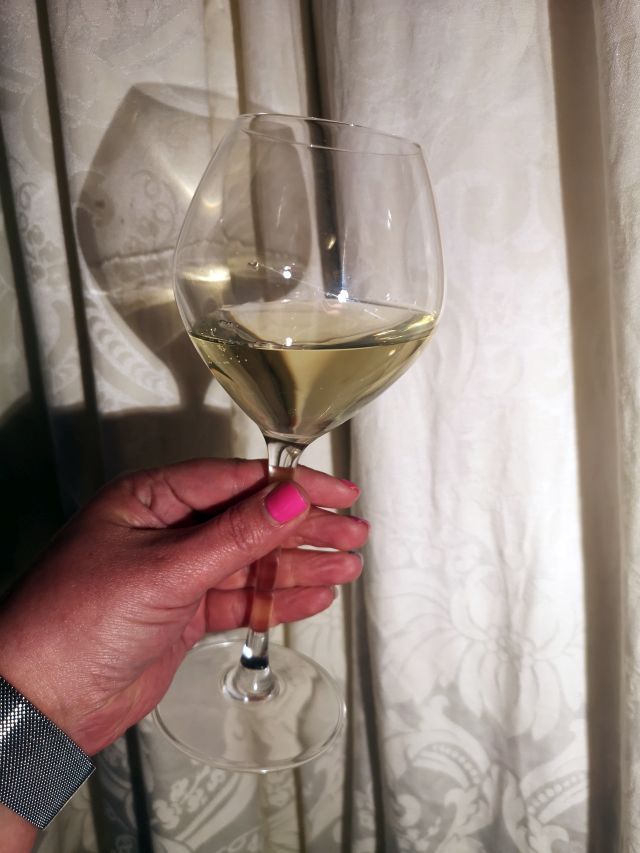
All good things must come to an end. And this one really does have me a little sad.
If you’ve missed it, I was asked to take part in a tasting with Bon Coeur Wines, along with a number of other bloggers. To explore wines, and have someone else make the selections for me.
This time around, I feel like I’ve been utterly spoilt. One wine, one Madeira. Both ideal for Christmas, and the first name, I recognised straight away, Villa Wolf. I all but squealed when I unwrapped the bottle, which sounds like an overreaction. I make no apologies for it.
But I’ll start with the Madeira from Henriques & Henriques. As I don’t know much about Madeira, (except I like drinking it, and cooking with it for that matter), it has allowed me to get a little geeky about the process. Madeira, much like sherry and port, it’s a fortified wine. And I’ve put it first, because it’s an aperitif – a before dinner drink designed to whet your appetite.
This 5 Year Old Madeira is made by Henriques & Henriques, in Madeira. Yes, the alcohol is named for it’s location. They’ve been making Madeira for over 160 years, so are no beginners, unlike me. So, how’s it made?
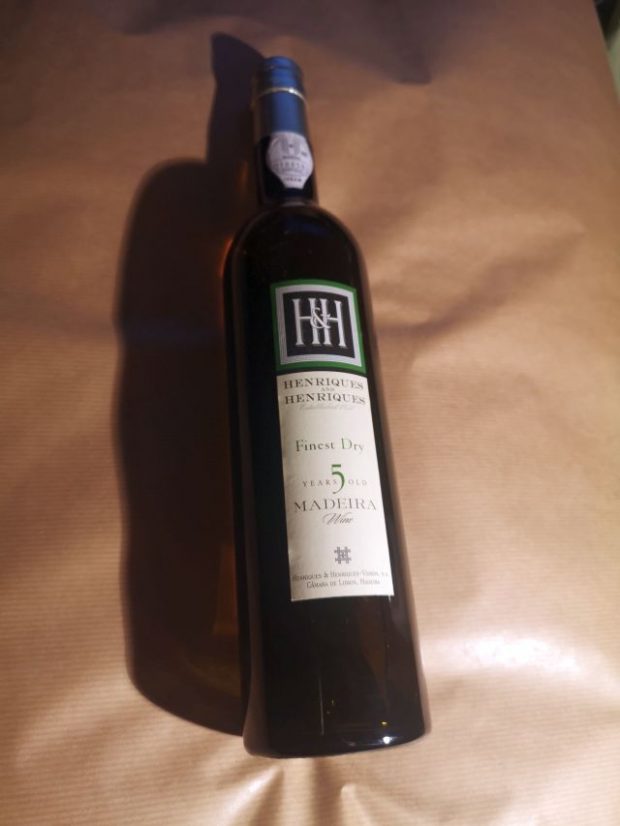
Madeira starts life as wine which is then fortified with alcohol from grapes (a flavour neutral spirit) before being matured. The whole process was discovered by accident, when to prevent wine from spoiling during long journeys by sea, the alcohol was added. After one such voyage, where the wines were be exposed to high heats, and movement, some wines were returned unsold. The flavour profiles were completely changed, into what we now know as Madeira.
Of course, we don’t put vats of wine onto wooden ships and send them across the world any more. Instead, producers such as Henriques & Henriques reproduce the process, this is known as Estufa and the five year old wines are exposed to heat (around 45ºC) before being allowed to cool over 90 days. They’re then aged in oak casks, in this case for 5 years, before being bottled.

What you’re left with in this case is a round mouthful of dried fruit, a little dark honey, citrus and a nuttiness. I can see why people often nibble roasted nuts alongside it, to emphasise the savoury nutty notes. And it explains why it goes so well in food. Deglaze a pan full of meaty roasting juices to add depth to a jus or gravy, or a good glug into a winter casserole. I might have to experiment with the remainder of the bottle.
In the second bottle, we went from something I knew nothing about, to something far more familiar.
My awareness of German wines began early. Primarily because my parents had a bottle of Liebfraumilch in a cupboard in the kitchen for years. I think they went through that 80s/90s phase of it being popular, and I’m still none the wiser as to why it took them so long to drink it, it even travelled with us from Derby to Manchester when we moved in 1989. All I know is that it’s one of my clearest memories, opening that cupboard and seeing the bottle still sitting there. Wanting to drink it, purely out of curiosity. I didn’t want to drink it all, I just wanted to know what it tasted like.
I did eventually find out when my mum decided we should open and whilst it wasn’t my first introduction to wine, I can still remember that sweetness with hints of pear and apricot, pretty clearly.
Fast forward to rediscovering German wines, including Villa Wolf when I understood wine a bit better. They were a must try for me. And whilst they are much (much much much) better quality than the cheap bottle in my family’s kitchen, there’s still something a little familiar about them. Whether it’s a dry Riesling, a Pinot Gris or something sweeter, maybe it’s the type of acidity, maybe it’s the hint of richness, without it being cloying or dominant, or even those pear notes, whether they’re more like pear drops and petrol fumes, or fresher. I can’t put my finger on it.
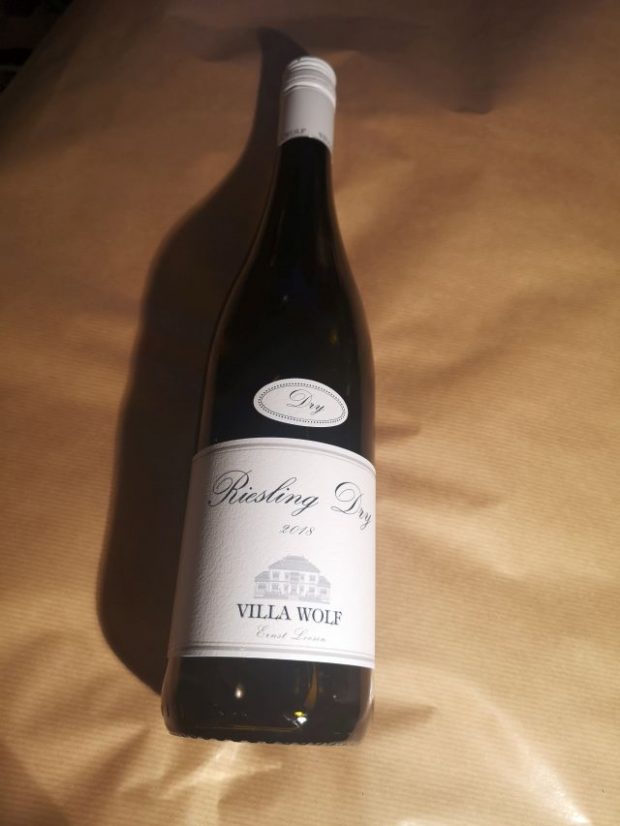
When it comes to this particular Riesling, seeing Villa Wolf, or even Ernst Loosen on the label, means I know it’s going to be good. I have fond memories of treating myself to a bottle for Christmas dinner, and enjoying it so much, so early on in the day (post 12pm I hasten to add), that I’m still amazed we had a dinner at all.
What you get isn’t as dry as the label might lead you to expect – it’s definitely dry for a Riesling, but that’s still a little richer, a little rounder. A little more lush. Peach, apricot, pear, it’s juicy and lingers after you’ve sipped. Which means you dive in for another sip when the flavour has faded. I love it chilled crisply all to myself, but it works really well with chicken and pork – so if you’re planning your Sunday roast, maybe this should be on your shopping list.
Bon Coeur have opened my eyes a little beyond my automatic choices when I see a wine list, or the wall of wine in the supermarket. Long may it continue.